For many years, national security in the United States was viewed mainly through the lens of military capability. The focus was on the aircraft constructed, the ships deployed, and the people who safeguard the nation. Recently, national security has expanded to include access to essential materials. These are needed not only for military systems but also to power data centers, produce advanced technologies, and support U.S. industries.
The U.S. faces a significant dependency on foreign nations for these critical materials, notably from China. This reliance is dangerous and needs urgent attention.
Corporate America’s dependence on China poses a national security threat.
A historical example illustrates this problem. During the COVID-19 pandemic, disruptions in supply chains abroad caused serious shortages in American hospitals. Items like masks and gloves were difficult to obtain because they were produced and controlled by China. This situation highlighted the risk of outsourcing the production of essential goods, which also impacts a nation’s security.
Another significant issue revealed during the pandemic is America’s vulnerability in securing critical minerals. Graphite stands out among these materials.
Graphite is not just the ‘lead’ in pencils; it is crucial in rechargeable batteries used in electric vehicles, energy storage, and numerous electronics. It supports defense technologies, drones, advanced manufacturing, and infrastructure for artificial intelligence.
China dominates the supply chains of critical minerals, from mining to advanced materials manufacturing. Recently, China has shown its willingness to limit exports of strategic materials to exert geopolitical influence. The U.S. must heed this warning.
No nation should allow a competitor to control resources essential for its economy and defense.
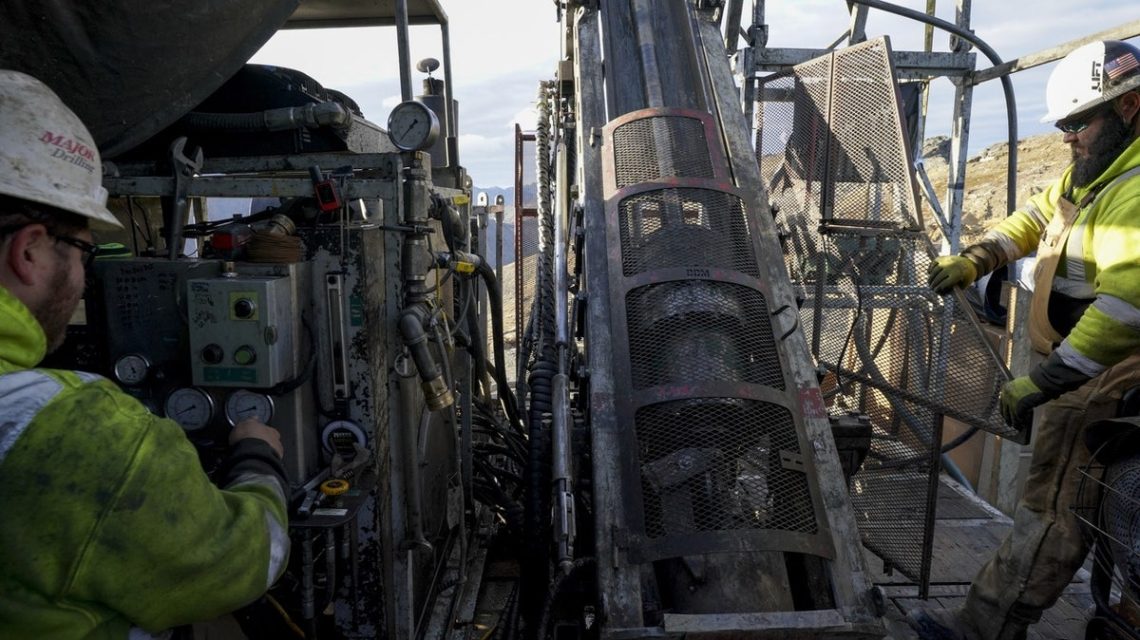
Despite graphite’s value, the U.S. depends heavily on foreign sources like China to satisfy its needs. This situation is troubling because America is not short of natural resources. Alaska, for example, is home to many critical minerals crucial to U.S. security and the economy.
Graphite Creek in Alaska holds promise as a major domestic graphite resource. Recognized by the U.S. Geological Survey as the country’s largest graphite deposit, it could drastically alter U.S. reliance on foreign supplies. While extracting the materials is one step, America cannot replace foreign mines only to remain dependent on foreign processing, an area where China leads.
A secure supply chain involves sourcing, processing, and manufacturing materials domestically for national security. The issue lies not beneath the surface but in our willingness and ability to develop these resources responsibly.
For decades, cumbersome permitting processes, regulatory inconsistencies, and inadequate investment have hindered U.S. mining and manufacturing projects. As a result, we have relied on imports from countries with potentially lower standards instead of producing materials under U.S. environmental and safety regulations.
The U.S. has the resources, expertise, and capital to lessen its dependency on foreign critical minerals. Immediate action is necessary to develop these domestic resources, build local processing capabilities, and establish efficient and predictable permitting processes without compromising standards.
Washington has started recognizing the need for critical minerals. This realization should lead to active development. The U.S. can no longer afford to delay while other nations strengthen their control over mineral supply chains.
America has the technology and resources to move forward and must do so now. It is crucial that the United States not become reliant on another country for materials needed to defend itself or lead in technological advancement.
Investments in securing supply chains should start with developing the largest graphite mine in Alaska, a step key to ensuring America’s future.
 Sherrod Brown’s Bid for Senate Reflects Economic and Cultural Focus
  Fundraising Challenges for White House Historical Association Amid Construction Plans
  Democratic Concerns Over AI and Economy for 2028
  Trump Challenges Presidential Records Act Amid Legal Debates
  DOJ Takes Action Over Non-Citizen Voter Fraud and Voter Data Collection Controversy