The updated story reveals a startling trend that has emerged alongside familiar facets of warfare involving Iran and Venezuela. Beyond traditional soldiers and strategies, betting on military outcomes has surged, with billions staked online akin to sports or entertainment wagers.
This trend has led to concerns about a new form of insider trading, where individuals seemingly place informed bets on events like military attacks or the fate of leaders. This year saw U.S. Special Operations forces secretly capturing Venezuelan President Nicolás Maduro, sparking widespread betting.
U.S. Army soldier Gannon Ken Van Dyke faces charges for allegedly using classified intelligence to influence betting decisions surrounding this mission. As he engaged in planning and execution, he allegedly benefitted from insider knowledge, accruing over $400,000 through bets.
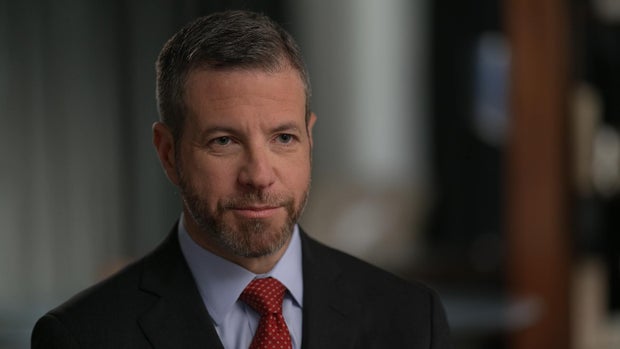
Rob Schwartz, a former Commodity Futures Trading Commission official, highlights the unprecedented nature of trading on classified intelligence. He equates this activity to typical insider trading, yet within prediction markets, marking an alarming evolution.
Prediction markets, such as Polymarket, allow wagers on diverse future events. While platforms like Polymarket officially ban military betting, digital workarounds abound.
Michelle Kendler-Kretsch and the Anti-Corruption Data Collective scrutinized military bets on Polymarket, discovering that less probable wagers succeeded disproportionately, indicating possible insider trading.
In Paris, Nicolas Vaiman’s analytics firm Bubblemaps explores suspect betting patterns, exposing linked accounts winning consistently yet anonymously.
The scenario in the commodities market also presents suspicions akin to war betting manipulations. Former trader David Kovel illustrates the suspicious timing of substantial oil futures trades coinciding with President Trump’s social media announcement of U.S.-Iran progress, suggesting potential insider actions.
Emanuel Fabian, a military correspondent, details intimidation attempts following his report disrupting significant bets based on his account. The threats prompted police involvement and platform intervention, indicating the severity of this betting sphere.
Polymarket pledges proactive measures against suspicious activities, yet regulation falls to the Commodity Futures Trading Commission (CFTC). Understaffed and historically focused on food prices, the CFTC may not suffice in today’s betting landscape. The agency attempts to employ AI for investigations amid rising concerns.
The White House acknowledges the risks, issuing memos warning against nonpublic info exploitation. As sources fear future scandals impacting national security, adversaries may leverage these market irregularities for strategizing.
New cases have emerged since May, including a Google engineer caught in similar schemes, suggesting an expanding concern.
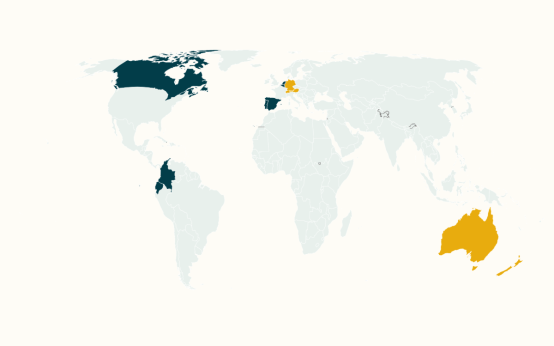 Dutch Review Board’s Euthanasia Ruling and International Debate
  Israeli PM Commends Heroic Actions in Flight Emergency
 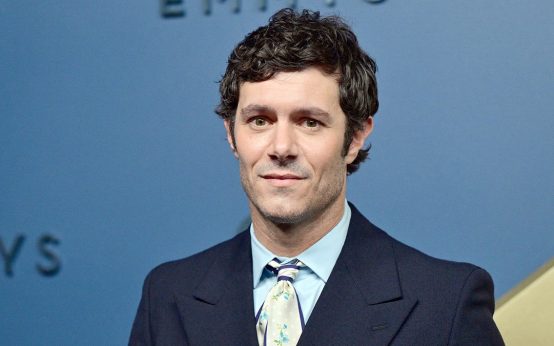 Rabbi and Jewish Leaders Criticize Adam Brody for ‘Genocide’ Comment
  Flydubai’s Emergency Landing Highlights Cockpit Security
 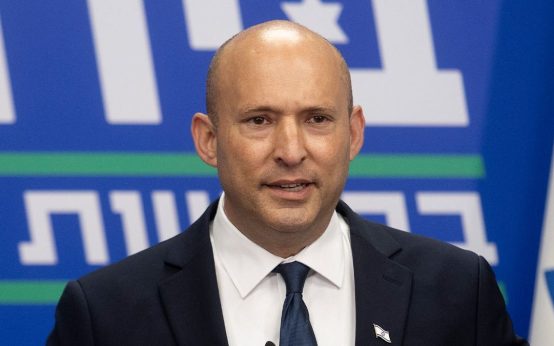 Former Israeli PM Naftali Bennett Commends Passengers and Crew for In-Flight Heroism
  Diplomatic Complexities Unfold at U.S. National Archives Visit