
As technological advancements continue, discussions around the socio-economic impact of artificial intelligence (AI) gain prominence. A critical issue is whether wealthy individuals, particularly billionaires, would endorse the extensive redistribution of resources necessary to establish a welfare state supported by AI.
Elon Musk, a prominent entrepreneur, advocates for a future where government intervention mitigates job losses due to AI. He suggests that a ‘Universal HIGH INCOME’ plan, involving regular payments from the federal government, is the optimal solution to tackle AI-induced unemployment.
Universal HIGH INCOME via checks issued by the Federal government is the best way to deal with unemployment caused by AI.
This proposal echoes previous ideas, such as Andrew Yang’s universal basic income (UBI) plan, which he promoted during his 2019 campaign. Yang suggested providing every American adult with a $1,000 monthly stipend. Supporters of such initiatives emphasize their potential in maintaining economic stability amid technological disruption.
Nevertheless, achieving the necessary financial redistribution for these plans poses significant challenges. Skeptics question the willingness of billionaires to contribute to such a system, considering the substantial economic shifts involved.
The debate centers on balancing technological progress with social welfare, ensuring that AI advancements benefit society without leaving vulnerable populations behind.
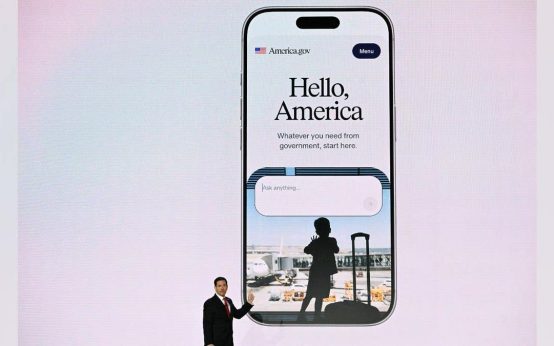 Trump Unveils AI-Powered America.gov Platform
  Trump’s 2024 Campaign Targets Young Men Through Cryptocurrency
  How Modern Windows Improve Home Insulation
  State Department Simplifies Passport Process with Online Applications
  Senate Democrats Block Data Center Bill Over Efficiency Concerns
  Future Cities: Ambitious Projects Aiming for Innovation and Sustainability