
Rodrigo Paz, the President of Bolivia, has introduced a legislative proposal aimed at establishing legal security and attracting foreign capital to the country. This initiative marks one of the first moves in a comprehensive package of laws designed to confront Bolivia’s economic challenges.
Driven by requests from several productive sectors, the law seeks to amend the country’s image, shifting from nearly 20 years of left-wing governance. The Economy and Public Finance Minister, José Gabriel Espinoza, emphasized the law’s goal to offer security and predictability for investors by centralizing scattered legal incentives and guidelines.
Espinoza outlined three core principles intended to direct Bolivia’s trajectory for the coming 20 years, focusing on logistics, artificial intelligence, digital economy, innovation, and alternative energies like hydrogen and solar power. These efforts aim to pivot from previous administrations’ economic models, which prioritized state investments and nationalized industries such as hydrocarbons, telecommunications, and electricity.
He noted that existing legal frameworks have seen property rights and constitutional protections disregarded without consequence for two decades. The proposal includes creating a system of incentives and regulations to provide predictability, security, and stability for both domestic and international investors, alongside respect for Bolivia’s Constitution.
The minister announced the formation of a National Investment Agency tasked with coordinating alongside various local and regional authorities to ensure a coherent institutional approach to investment promotion and regulation.
Gonzalo Morales, President of the National Chamber of Industries, stressed the importance of legal security and normative predictability to restore investor confidence in Bolivia. Despite receiving $620 million in foreign direct investment in 2025, equivalent to 0.3% of the regional total according to the Economic Commission for Latin America and the Caribbean (ECLAC), Bolivia faces challenges in negotiating with the fragmented Legislative Assembly.
Paz faces the challenge of negotiating with the assembly after distancing himself from his primary ally, Samuel Doria Medina, head of Alianza Unidad. Many parliamentarians expressed intent to scrutinize the measures, although some did not follow Medina.
Medina criticized the delay in addressing the economic crisis, exacerbated by anti-governmental protests lasting over 50 days from May to June, leading to fuel supply issues, notably diesel. Despite these pressures, Paz secured international support and loans from global organizations exceeding $5 billion.
 Maryland First State to Restrict Electronic Pricing in Grocery Stores
  Activists Push for Nationwide Ban on Child Marriage in the U.S.
  Democratic Hopes and Historical Warnings in 2026 Senate Race
  Republicans Face Challenges Amidst Cost of Living Concerns
 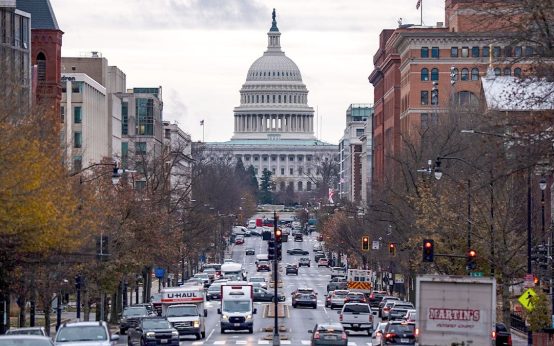 A Different Kind of Fall for Congress This Year
 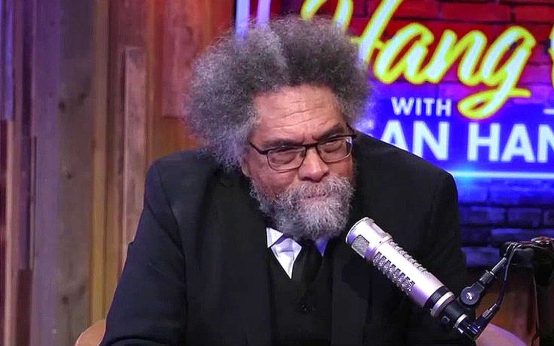 Cornel West and Sean Hannity Discuss Differences on Podcast