Scientists have achieved a significant breakthrough in understanding how bacteria construct compounds that fight cancer. This advancement could accelerate the development of new treatments. Findings from the study, published in Nature Communications, detail how enzyme systems integrate to create HDAC inhibitors. These compounds play a key role in halting cancer cell growth.
Dr. Munro Passmore from the University of Warwick emphasized that this discovery could expedite the creation of drug candidate libraries. He noted the potential for these to be manufactured on a large scale at a reasonable cost. Nevertheless, Passmore cautioned that any new therapies will take time before reaching patients. Preclinical testing, optimization, and clinical evaluations are necessary steps before approval, which can range up to a decade and cost over $1 billion.
The HDAC inhibitor drug family includes romidepsin, used in treating certain blood cancers. Historically, scientists recognized that bacteria produce similar compounds with slight variations. However, the origin of these variations remained unclear until now.
The study highlights combinatorial biosynthesis as crucial to this breakthrough. This process enables bacteria to create multiple related molecules by combining biochemical components in different ways. Enzyme complexes in bacteria, particularly polyketide synthases (PKSs) and nonribosomal peptide synthetases (NRPSs), assemble complex compounds, including antibiotics and anticancer drugs.
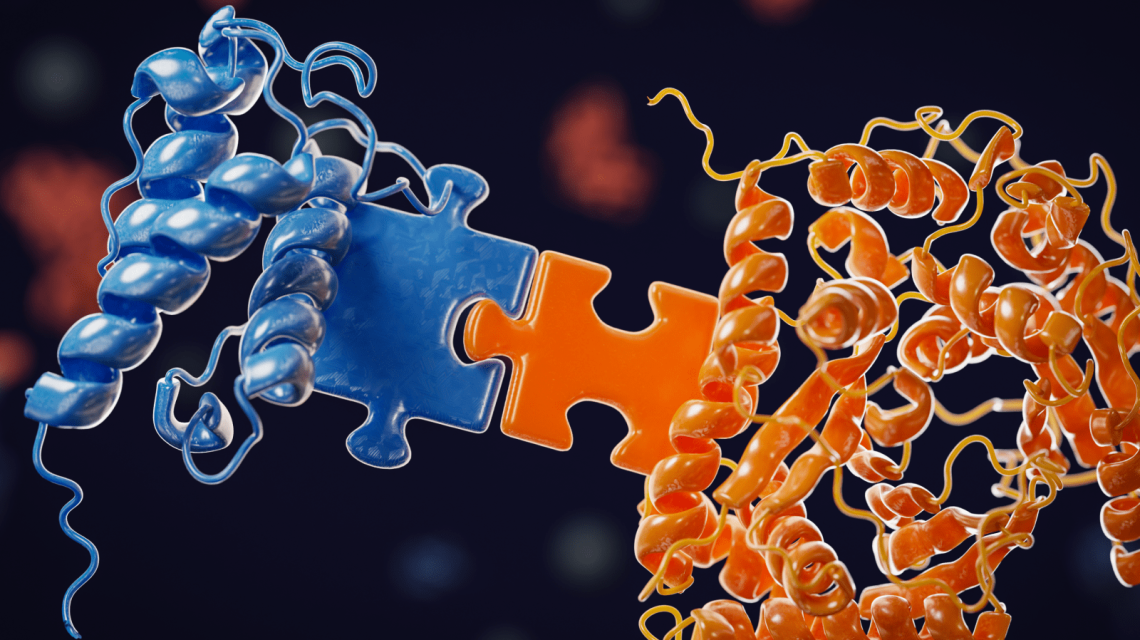
The focus was on the hybrid systems producing depsipeptide HDAC inhibitors. These molecules share a core structure but differ in the attached peptide segment. These variations affect the drugs’ interactions with targets. The research revealed that core-building enzymes and those adding variable peptide segments connect through specific docking interactions.
This synergy allows diverse molecular machinery to create new drug-like compound combinations. Identifying β-hairpin docking domains was crucial, enabling one enzyme to link with another and transfer intermediate molecules along the assembly line.
Experimental findings show disrupting this interaction stops target compound production, highlighting its significance. The study also confirmed that enzyme systems from separate biosynthetic pathways can interact. This suggests potential flexibility for generating new molecules.
Professor Greg Challis from the University of Warwick pointed out that this flexibility might be valuable in treating cancers poorly addressed by existing therapies. Preliminary data indicate the drugs produced through this method show promising activity against various cancers. Challis remarked that harnessing this mechanism in labs could lead to drug classes with superior clinical potential.
This discovery marks a crucial step forward in the fight against cancer and opens doors to potentially transformative treatments.
 Increased Funding Needed for Psychiatric Hospitals
  Trump Administration Distributes ACA Refund Checks
  Higher Consumption of Ultra-Processed Foods Linked to Increased Health Risks
  Understanding Inflammation: Myths and Facts
  Climate-Resistant Rock Glaciers: Hidden Water Resources
  California Voters to Decide on $7.5 Billion State Research Fund