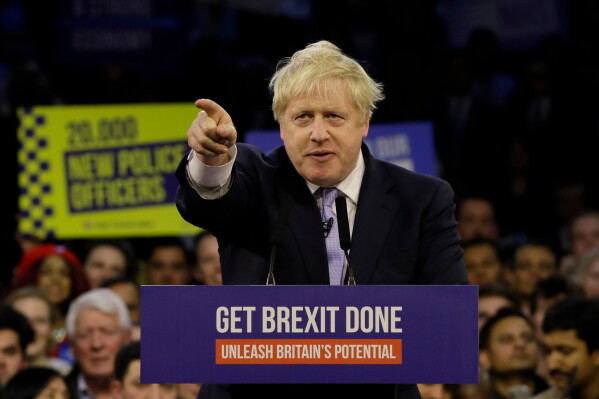
Simon Boyd, managing director of REIDSteel in Christchurch, England, and Mike Hawes, head of the Society of Motor Manufacturers and Traders, find themselves frustrated by Brexit’s impact a decade after the vote. Although Boyd’s firm sends prefabricated steel structures to distant locations like Ghana and Barbados, both he and Hawes, representing Britain’s car industry, have faced significant hurdles.
Initially, Brexit promised a future where Britain would control its laws and borders, potentially boosting the economy. However, the nation’s struggle to adapt to life without EU’s 27-nation free trade bloc and access to a 450 million consumer market has been challenging. The economy shows slow growth, taxes remain high, services strain, and migrants continue to arrive via the English Channel.
Boyd supported Brexit but blames political failures for underwhelming outcomes. He contends the past decade presented unexpected challenges, including the pandemic and geopolitical unrest. Costs rose as businesses braced for a new reality, and post-2020 trade rules made EU dealings more complex and costly.
Creon Butler from Chatham House highlights long-term economic consequences. Leaving the single market resulted in a significant loss of wealth and prosperity. A report from the National Bureau of Economic Research indicates Brexit reduced the UK’s GDP by 6%-8%, investment by 12%-13%, and productivity by 3%-4%.
The automotive sector, a vocal Brexit critic, faced added expenses as red tape increased, impacting Britain’s appeal to international carmakers. While new trade deals emerged, nearly half of Britain’s imports and 41% of exports still involve EU countries.
Labor shortages have been another issue post-Brexit. The end of free labor movement affected businesses relying on Eastern European workers. This shortage left industries, such as curry restaurants across the UK, struggling due to unmet visa promises for South Asian workers.
Efforts to rebuild EU relations are underway as Prime Minister Keir Starmer steps down, leaving negotiations unfinished. Recent surveys indicate growing public dissatisfaction with Brexit, with nearly half of respondents expressing disappointment.
Boyd remains optimistic about a future outside the EU, claiming Brexit’s potential is hindered by internal political forces. He argues a return to the EU would be akin to surrendering vital opportunities.
 Dutch Review Board’s Euthanasia Ruling and International Debate
  Israeli PM Commends Heroic Actions in Flight Emergency
  Rabbi and Jewish Leaders Criticize Adam Brody for ‘Genocide’ Comment
  Flydubai’s Emergency Landing Highlights Cockpit Security
 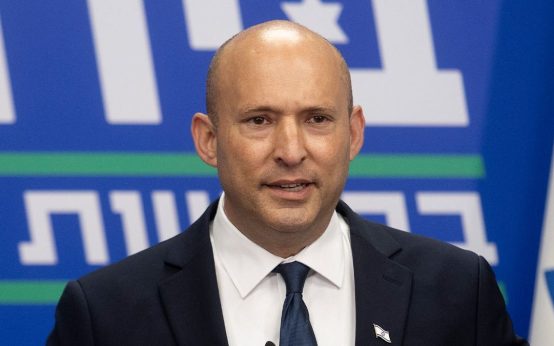 Former Israeli PM Naftali Bennett Commends Passengers and Crew for In-Flight Heroism
 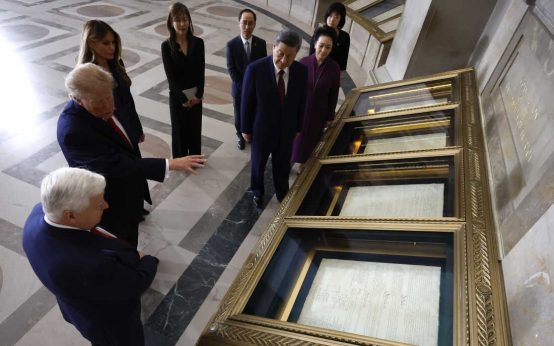 Diplomatic Complexities Unfold at U.S. National Archives Visit