Recent times have seen significant changes in an Eastern European country, as it welcomed the euro and faced a political shift through large protests.
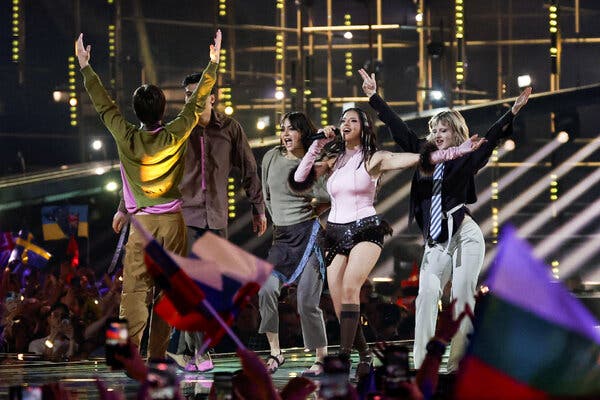
Bulgaria’s representative, Dara, shined in this year’s Eurovision Song Contest. At the grand final in Vienna, her performance ensured Bulgaria’s first-ever win in the contest.
The success is part of a transformative year for Bulgaria, aligning with its adoption of the euro and efforts to combat corruption. This aligns with ambitions to strengthen its position within Europe. Prime Minister Rumen Radev praised Dara, emphasizing the global recognition of Bulgaria’s achievements. He described the win as “a Bulgarian victory with global resonance.”
Sworn in this month, Mr. Radev celebrated this cultural milestone following Bulgaria’s historical struggles within the European Union. Bulgaria became an EU member in 2007, and more recently, joined the Schengen free travel area in 2025. These moves were recognized as major advancements by European officials.
The country faced widespread protests against corruption, leading to the resignation of the former prime minister. The protests, driven largely by youth, signaled a demand for change in the political arena.
As the 2027 Eurovision host, Bulgaria now gears up to welcome the event, marking 20 years since its EU integration. A year of preparation lies ahead for an event showcasing its evolving role on the European stage.
 British Police Arrest Man Suspected of Terror Plot
  Readers React to Miss Manners Column
  Activists Push for Nationwide Ban on Child Marriage in the U.S.
  Investigation into Alleged Incident at Cornell University
  Troy Swanson: Award-Winning Librarian Transforming Academic Libraries
  Rising Drone Threats Highlight Vulnerabilities in Moldova’s Airspace Defense