
Starting July 1, California’s new laws will change daily life across the state. Changes include standardizing food labels, restricting smartphone use in classrooms, and increasing oversight on driverless cars. This midyear legislative rollout is California’s second major annual implementation date, following January 1.
While these laws are statewide, local school districts and municipal governments have flexibility in their implementation. The changes affect several important areas:
Consumer Protection and Food Safety
Assembly Bill 660 mandates new standardized food labels. Instead of the confusing “sell-by” dates, labels will read “Best if Used By” for quality and “Use By” for safety. This law aims to reduce food waste and save money for households. Governor Gavin Newsom signed the bill to minimize landfill waste.
Senate Bill 68, the Allergen Disclosure for Dining Experiences (ADDE) Act, requires large restaurant chains to list allergens like sesame on menus and digital platforms. This measure, advocated by health groups, was signed in 2025 and is aimed at people with severe allergies.
Education and Student Well-Being
The “Phone-Free Schools Act” (AB 3216) targets reducing digital distractions in public schools. The law requires districts to create policies limiting or banning smartphones during the school day. Districts enforce this law locally, so rules may differ. Governor Newsom highlighted links between phone use and student mental health issues.
Under SB 760, all California schools must provide at least one gender-neutral restroom, promoting inclusivity for students.
Technology and Transportation
As driverless cars become more common, Senate Bill 1246 enacts stricter regulations. Remote operators must reside in the U.S. and be properly licensed. Autonomous vehicle companies need emergency communication capabilities and must coordinate with local first responders.
Housing and Infrastructure
Senate Bill 79 addresses California’s housing shortage by allowing denser residential development near transit hubs. Presented by Democrat Senator Scott Wiener, the law facilitates converting commercial land to housing to support urban density.
Streaming services face new rules under Senate Bill 576, preventing them from airing commercials at higher volumes than their programs. This extends federal broadcast standards to digital platforms.
Impact on Californians
The July 1 laws introduce significant changes, but how they affect residents depends on how local areas implement them.
For further inquiries, contact Newsweek editors Tobias Meyjes and Anthony Murray.
 Cargo Plane Crash at Miami International Airport
  Marine Veteran Suing Oregon School District Over Curriculum Reimbursement
  Tennessee Execution Halted as Issues Persist with Lethal Injection Protocol
 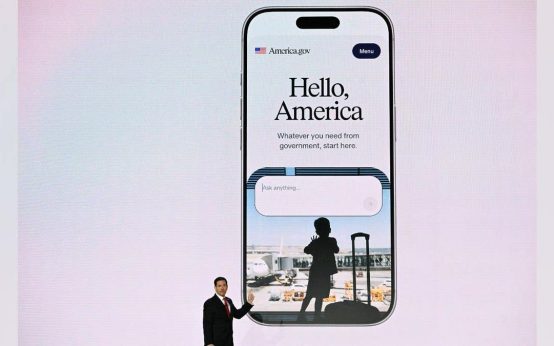 Trump Unveils AI-Powered America.gov Platform
  Judge Dismisses Case Against Former Olympian Over Lincoln Memorial Incident
  Minnesota Family Files Civil Rights Lawsuit Over ICE Agent Shooting