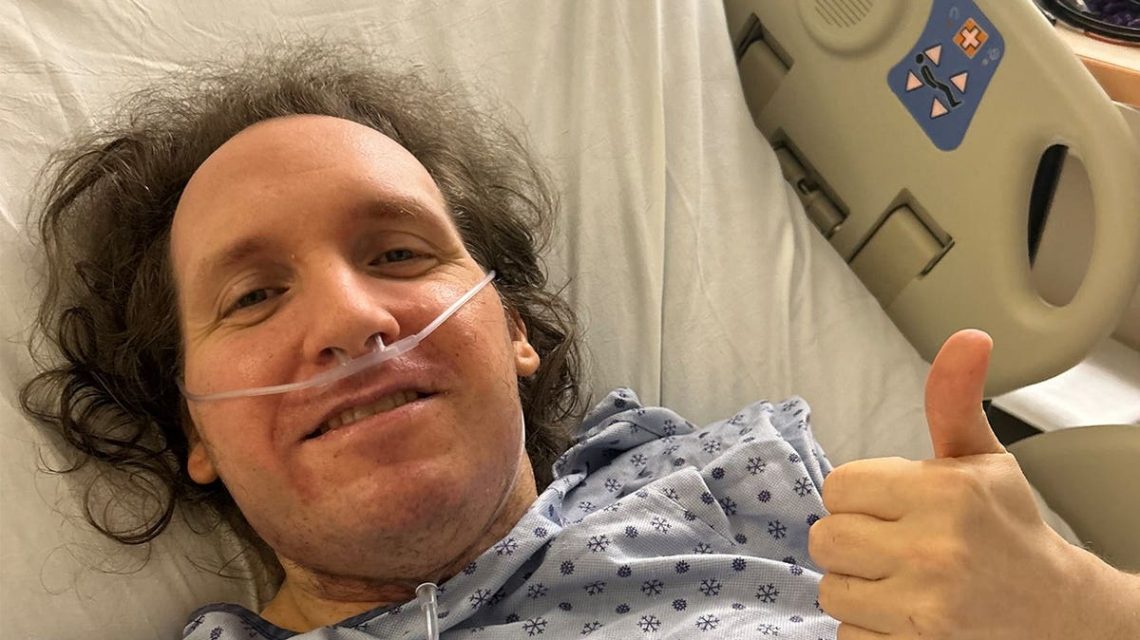
Roger Foley, a Canadian battling a neurological disease, reports hospital staff suggested medically assisted death as he fought for home care necessary for survival. Suffering from spinocerebellar ataxia, Foley shared with Fox News Digital that beginning in 2016, staff at London’s Victoria Hospital suggested this option several times while he sought a self-directed home-care setup.
A July 2026 letter acquired by Fox News Digital reveals his doctor believes Foley could safely leave the hospital with proper home-care support from the Ontario government. Dr. George K. Dresser emphasized that Foley, while medically stable despite hospital-acquired infections, does not fit standard home-care programs due to complex needs.
“By any reasonable clinical standard, you could be discharged from our hospital if you had adequate support at home.” — Dr. George K. Dresser
Dresser noted the cost-effectiveness of a community-based care setup, stressing that personalized care would better suit Foley’s needs. He urged the Ontario Ministry of Health to fund Foley’s plan to hire and manage personal support workers, potentially ending his extended hospitalization.
Foley alleges medical assistance in dying discussions resurfaced during a contentious discharge process in 2017 when he was threatened with substantial daily hospital charges unless he accepted proposed care. Despite such pressures, he expressed a strong desire to return to his apartment with his chosen caregivers.
In May 2025, Foley says the hospital removed his lighting accommodations, worsening his care situation. His condition makes fluorescent lights harmful, so he used amber lighting for care. The change forces him to wear cumbersome goggles, further complicating his daily needs.
Financial constraints have limited Foley’s ability to hire external help, although he occasionally relies on personal workers outside the hospital for assistance. He claims some staff refuse care without fluorescent lighting, worsening his vulnerability.
Foley’s trust issues with hospital staff have escalated since they resumed questions about suicidal thoughts after removing lighting accommodations. Though open to mental health support, he hesitates due to past experiences and concerns over the staff’s agenda.
Foley maintains he does not want to end his life and insists on fighting for his care needs met to return home. He highlights his decade-long fight to leave the hospital and live independently, retaining an accessible apartment ready for his return.
“I have my own apartment. I still pay all my bills.” — Roger Foley
Foley supports self-directed funding, which empowers individuals with disabilities to select and manage caregivers, aiming to secure more consistent and effective care. Despite physician backing, he struggles to gain essential funding.
His situation prompts him to fight against Canada’s Medical Assistance in Dying (MAID) law, advocating for comprehensive treatment and support access before considering assisted death.
Foley continues raising funds through his project, “Bring Roger Home,” collaborating with a nonprofit to release his music, supporting his home-care needs. He motivates others with chronic conditions not to lose sight of their potential.
His ultimate goal remains: returning home, reuniting with loved ones, and living as autonomously as possible.
 Navigating Pregnancy Costs and Healthcare Challenges
 Trump Administration Initiates Kidney Care National Plan
 ADHD Linked to Increased Risk of Early Death, Study Suggests
 Rethinking School Safety: A New Approach
 Reevaluating School Safety Measures Post Santa Clarita Shooting
 Addressing School Shootings: How Parents Can Support Their Children