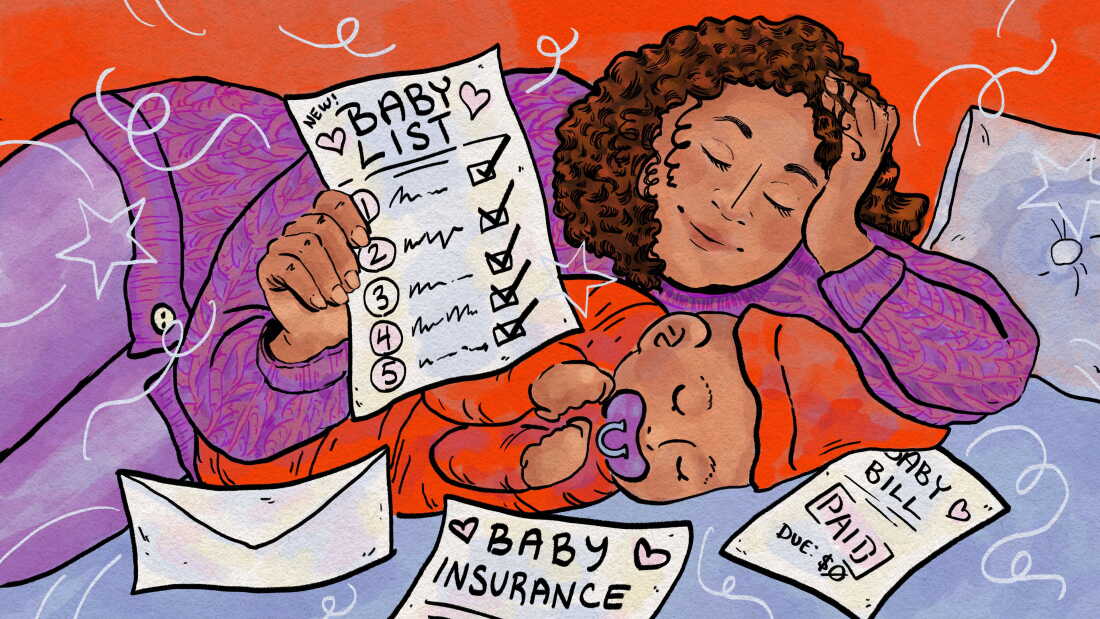
Grace Griffin and her husband, Daniel, welcomed their first child, a baby girl, while managing the financial strain of looming medical expenses. With both 26 years old, they anticipated financial constraints and planned ahead to cover pregnancy costs in Calumet, Michigan.
Initial Financial Planning
Before conceiving, Grace and Daniel calculated pregnancy expenses, attempting to save enough to pay for medical bills immediately. However, Grace’s UnitedHealthcare student plan required medical billing codes for each expected procedure, which she found challenging as she didn’t have this information.
Budget Shortfalls and Financial Reality
Despite careful budgeting, Grace’s estimates were inaccurate. The health plan website indicated approximately $2,700 in out-of-pocket expenses for pregnancy and delivery. Yet, their actual costs surpassed this greatly, reaching over $9,000 by October.
Grace and Daniel faced unexpected out-of-pocket costs, meeting Grace’s $500 deductible early in the pregnancy and paying 20% coinsurance for in-network care. Grace realized expenses quickly added up, with routine lab work costing hundreds of dollars each visit.
Regulatory and Legislative Context
Federal efforts to improve healthcare cost transparency have stagnated. The 2020 No Surprises Act required insurers to offer an “advanced explanation of benefits” for scheduled care, but this mandate is unimplemented. Upcoming changes, such as detailed maternity billing codes by 2027, are intended to increase transparency.
Budgeting Tips for Pregnancy Costs
1. Enroll Your Baby Promptly
New parents must ensure their newborn has health coverage promptly. Birth provides a special enrollment opportunity, allowing parents to sign up their newborns within certain timeframes without waiting for annual open enrollment.
2. Understand Key Insurance Terms
Knowing insurance terms like deductibles, copayments, coinsurance, and MOOP (maximum out-of-pocket expense) helps in budgeting. Under the Affordable Care Act, MOOP caps in-network expenses, but these limits reset annually, impacting families overlapping plan years.
3. Choose In-Network Providers
Selecting in-network providers prevents surprise bills and reduces out-of-pocket costs. Patients should confirm that all healthcare team members and facilities are in-network with their insurance plan.
4. Scrutinize Bills and Appeal Errors
Check all medical bills for errors. The Affordable Care Act mandates certain prenatal services be provided without additional costs. Patients should appeal any erroneous or denied charges.
5. Seek Financial Assistance
Many hospitals offer financial assistance programs to reduce bills or arrange payment plans. Programs like Michigan’s Rx Kids also provide financial support to eligible families, helping them manage costs without exhausting emergency savings.
KFF Health News supports in-depth health journalism and is part of KFF, a respected source for health policy research and journalism.
 Nigeria Confirms Ebola Case Amid Regional Outbreak
 Canadian Man’s Struggle for Home Care Amid Assisted Death Proposals
 Trump Administration Initiates Kidney Care National Plan
 ADHD Linked to Increased Risk of Early Death, Study Suggests
 Addressing School Shootings: How Parents Can Support Their Children
 Crest 3D Whitestrips Offer Affordable Teeth Whitening at Home