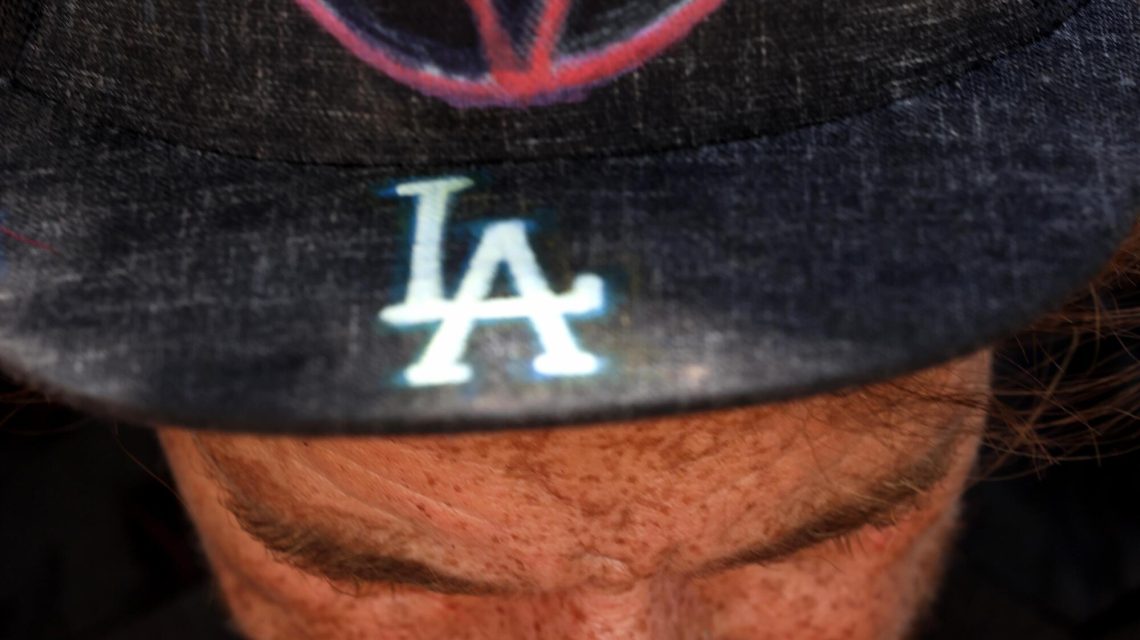
Abigail Aguirre and her husband have been struggling with sleepless nights due to noise from a nearby homeless encampment. Residents often have loud parties, play music, and engage in other disruptive activities. The noise particularly affects her husband, who gets up early for work.
Aguirre’s home is located just east of the 110 Freeway in South Los Angeles. Residents in her area report seeing drug use and enduring loud music.
Aguirre stated,
They do drugs in there. They play the loud music. They don’t care.
Three years ago, Mayor Karen Bass’s Inside Safe program moved many homeless individuals from Aguirre’s neighborhood into hotels and motels. While sanitation crews cleaned up the streets, people continued to settle along east-west streets near the 110 freeway.
According to the USC Annenberg Center for Health Journalism’s Data Fellowship, citywide unsheltered homelessness increased by nearly 8% this year. This increase presents a challenge for Bass, who seeks reelection with a focus on homelessness.
Outreach workers have conducted Inside Safe operations 25 times in a one-mile stretch between 42nd and 58th Streets, reflecting the ongoing challenge of homelessness along the 110 Freeway.
In Hollywood, Frank Gordon, who lived on Cahuenga Boulevard at the 101 Freeway, experienced several Inside Safe operations that brought multiple people indoors. However, the encampments persist.
The 51st Street overpass has been particularly troubled, with tents, makeshift structures, and trash lining the sidewalks. Nearby residents report crime, fires, and other issues resulting from these encampments.
Despite Inside Safe moving more than 6,200 people into temporary housing, 43% have returned to the streets. Residents in Venice thanked Mayor Bass for her efforts to clear encampments, though challenges remain.
Bass aims to overhaul the city’s approach, seeking more control over services like medical care and addiction treatment. She believes the program has achieved success by keeping 80% of visited locations tent-free recently.
The city faces a need to transition from expensive hotels and motels to high-quality homeless shelters. Despite 137 encampment operations, greater scale is required to address the issue.
The repopulation issue extends beyond the 110 corridor. By the end of her third year, 23 Inside Safe areas had multiple revisits from the outreach team, highlighting the persistent challenges of homelessness.
City Councilmember Nithya Raman criticized the program as ineffective and costly, highlighting the high return rate to homelessness and the need for repeat visits.
Freeway overpasses and industrial areas attract homeless individuals due to shelter from weather and a degree of privacy. Bass acknowledged the need for psychiatric beds and intensive care for some individuals.
Estela Lopez of the Downtown Industrial Business Improvement District cited a lack of enforcement as a key reason for repopulation. After encampments are cleared, police should ensure these areas stay clear.
Bass’s first Inside Safe operation occurred on Cahuenga Boulevard under the 101 Freeway in Hollywood, with repeated visits. Current challenges highlight the complex dynamics of homelessness in the city.
Local residents like Johnnie Raines acknowledge the success of housing initiatives but recognize the ongoing flow of homeless individuals seeking locations like freeway overpasses for shelter.
As residents in South Los Angeles like Elmer Roldan witness ongoing issues such as fires and vehicle living, they remain hopeful that conditions will improve without further decline.
 Patrick McEnroe Advocates for Collegiate Athletic Reform
  Push for Reparations Faces Challenges and Calls for Strict Eligibility
  Texas Man Arrested for Threatening State Capitol Attack
 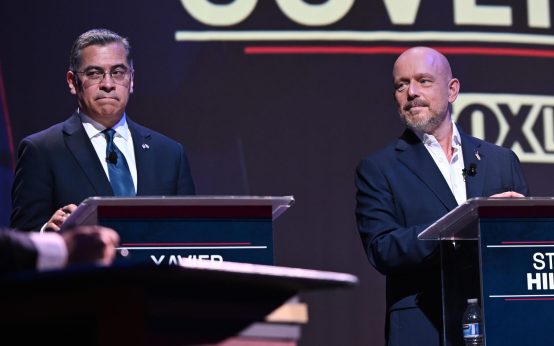 The Key Debate Between Xavier Becerra and Steve Hilton: What You Need to Know
  Physicians Urge Senate to Reject FDA Nominee
  Trump’s Executive Order to Combat Mosquitoes and Ticks in D.C.