
Many parents in the United States hold the belief that their children are performing well in school. Statistics reveal that nearly 90% of parents think their children meet or exceed grade-level expectations in reading and math. However, available data suggests a disconnect between perception and reality.
According to the National Assessment of Educational Progress (N.A.E.P.), only 30% of eighth graders achieve proficiency in reading, and just 28% do so in math. This discrepancy is more evident in schools with larger populations of low-income students, based on a study from 2023.
Grade inflation has contributed to this issue over the past 15 years. From 2010 to 2022, average high school grade-point averages, particularly in math, rose from 3.02 to 3.32.
Standardized testing, which serves as an independent evaluation tool, faces significant challenges. Federal law mandates yearly standardized assessments in math and reading for students in grades three through eight. However, some states have adjusted the criteria for proficiency, leading to apparent progress on paper with no actual improvement in educational delivery.
For instance, Wisconsin altered its testing framework, resulting in a jump in English proficiency from 39% to 48%. Illinois and Kansas have made similar adjustments.
Currently, state test proficiency rates in reading exceed those of national assessments by at least 15 percentage points in over half of the states. In some cases, the difference is even higher.
The federal government’s actions have compounded the problem. In 2025, the Trump administration made cuts to the Education Department, responsible for national assessments. Although efforts to rebuild have been reported, the rollback of some assessments has already occurred.
 Legal Challenge Against School Funding Inequalities in West Virginia
  Potential Changes Loom for School Voucher Programs
  Regents Exam Elimination Raises Concerns Over Student and School Accountability
  Education Funding Disparities in West Virginia
 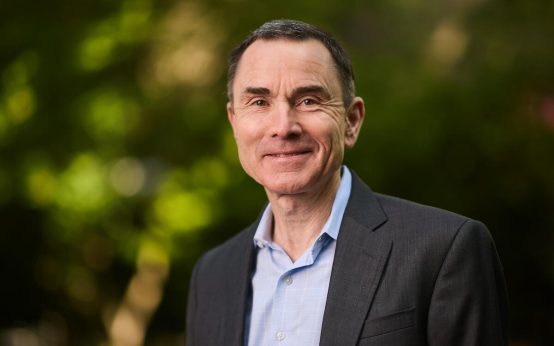 David Madigan Appointed as USC’s Chief Academic Officer
  North American Values Institute Questions Pittsburgh Schools’ New Curriculum