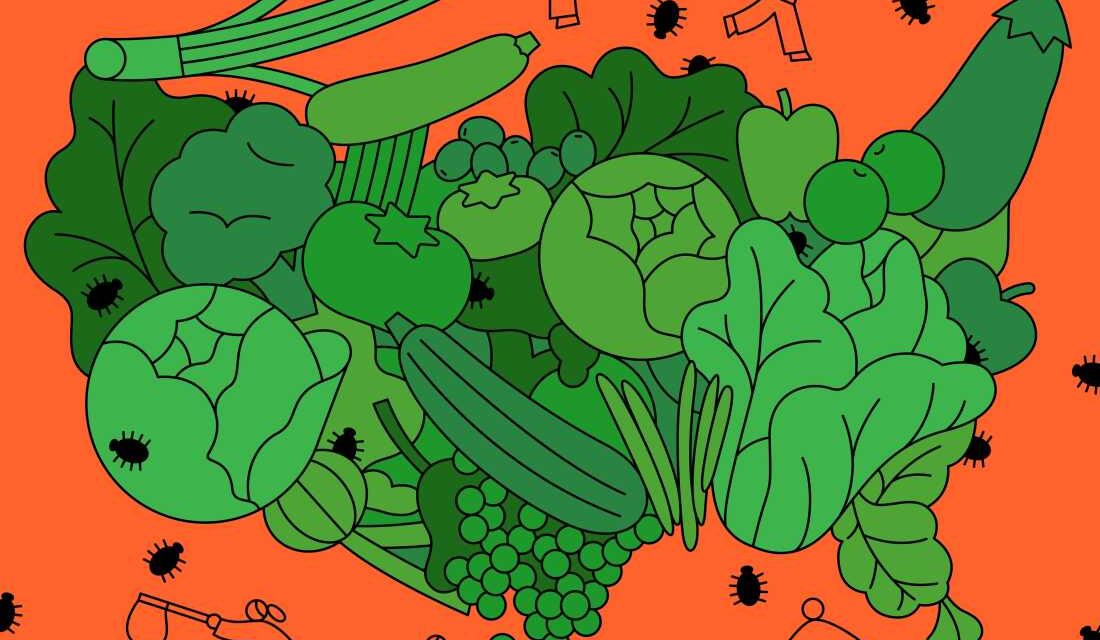
Environmental health expert Bob Custard spent four decades working with local governments on health issues like clean water and food safety. He now serves as a consultant and represents 160 professionals through the West Virginia Association of Sanitarians. Amid the largest cyclosporiasis outbreak in nearby states, Custard notes that cuts in federal funding have severely understaffed local food safety programs. Officials struggle to manage interviews and investigations necessary to control the diarrheal illness. Custard compares this to a house missing smoke detectors.
Former FDA official Susan Mayne criticizes the slow government response to the record-breaking outbreak that started in May. She highlights the disarray in federal food safety programs, including the FDA’s Center for Food Safety and Applied Nutrition. Critical staff were removed during last year’s federal cuts, hampering public awareness and crisis responses. Mayne points out disrupted international partnerships affecting the outbreak linked to Mexican-grown lettuce. As of this week, CDC reports over 15,700 confirmed cases, worsened by funding cuts affecting public health responses at various levels.
“These people have a tremendous amount of responsibility,” Custard said about food safety staff, “They really need a strong science foundation.”
Federal and state cuts have further weakened food safety programs. Last year’s cuts reduced CDC funding by 40%, affecting state programs differently. Kentucky’s food safety staff decreased by 30 to 50%, while Ohio claimed its response to Cyclospora remained unaffected. Michigan successfully fought grant reductions in court, maintaining its surveillance and public messaging efforts. In West Virginia, Custard observed significant staffing challenges, noting a reduction in sanitarians responsible for investigating foodborne illnesses. The state’s decision to lower job qualifications for sanitarians reflects the difficult conditions.
Sarah Sorscher from the Center for Science in the Public Interest warns that public health systems, especially at local and state levels, face a crisis. Scientific support from institutions like the CDC, FDA, and USAID has decreased, impacting local governments. Mayne highlights the loss of expertise in Cyclospora research due to USAID’s closure under the Trump administration. Former CDC official Dan Jernigan notes that Cyclospora was removed from active surveillance, reducing effective outbreak preparedness. CDC labs once assisting states are now limited to multi-state cases due to funding cuts.
Public health experts worry that foodborne illnesses will increase, becoming more challenging to prevent and trace. Jernigan laments the discontinuation of the CDC’s FoodNet program, which previously tracked foodborne pathogens and provided valuable data. Mayne mentions delays in enforcing a food traceability rule enacted in 2011, a crucial tool for swiftly identifying contamination sources. Had the rule been in effect, recent outbreaks linked to Mexican lettuce may have been prevented.
Custard believes the ongoing struggles highlight unacceptable risks in food safety. Drawing a parallel to removing smoke detectors, he underscores the importance of robust health monitoring systems to prevent potential disasters.
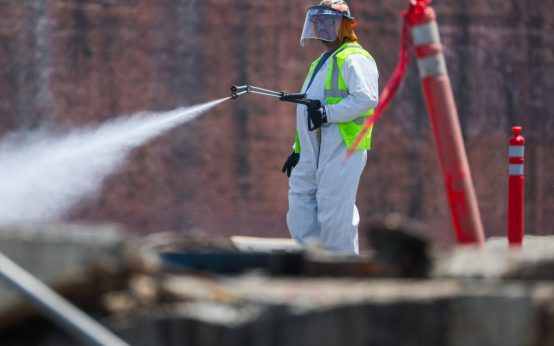 Health Impact Study on Boyle Heights Fire
 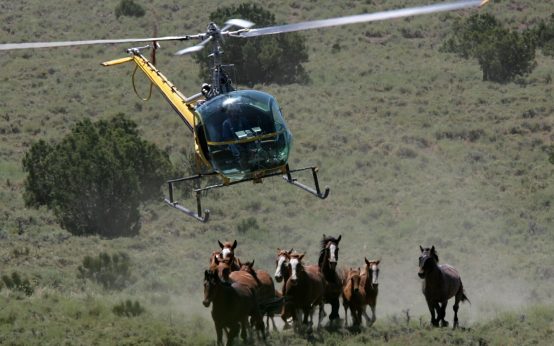 Increasing Sales of Wild Horses and the Controversy Surrounding Animal Welfare
  Brazil’s Growing Role in the Rare Earth Market
  Senator Cramer’s Hold on Trump Nominees Due to Wetland Policy
  Champagne Producers Rush to Harvest Amid Record Early Start
  Heatwave Myths: Parmigiano Reggiano Cheese and Its Banking System Remain Unaffected