For over three decades, I have devoted myself to patient care. Now, as a physician-legislator serving in Congress, I aim to challenge the powerful health insurance lobby in Washington.
In 2025, the seven largest for-profit health insurers reported nearly $1.7 trillion in revenues, generating at least $54 billion in profits. These numbers likely underrepresent actual profits due to financial maneuvering.
While I support capitalism, I find it troubling that insurers primarily depend on taxpayer money. UnitedHealthcare exemplifies this issue, receiving over 77% of revenue from government programs despite a larger customer base in commercial plans. They have also intensely lobbied to maintain ObamaCare subsidies.
Since 2015, these companies collectively spent more than $137 billion on stock buybacks. This practice artificially inflates share prices, benefiting executives’ compensation and concealing financial weaknesses. Historically, stock buybacks were considered market manipulation and often illegal.
These insurers should prioritize lowering premiums instead of repurchasing stocks. Their actions contribute to rising healthcare costs, placing more financial strain on patients needing care.
The landscape now includes an oligopoly extracting close to $2 trillion annually while simultaneously denying vital care. Their growing profits coincide with increasing barriers to patient access, such as pre-authorizations, denials, and out-of-network issues.
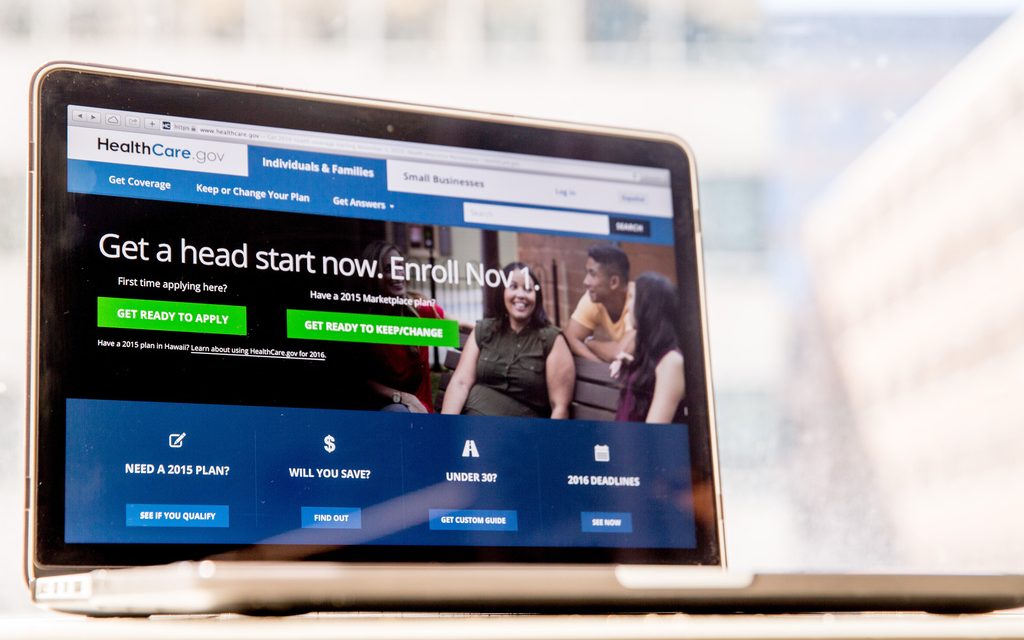
The link between this situation and ObamaCare is evident. The law, shaped significantly by insurance companies, supports their interests. I propose breaking up these large corporations and removing the for-profit model from health insurance altogether.
The excessive bureaucracy adds little value, making healthcare unaffordable, especially for essential treatments and medications. Visits to the emergency room and necessary therapies shouldn’t be financially devastating.
My critique extends across all sectors complicating American healthcare, but the practices of health insurers are particularly detrimental. The American public is increasingly aware, and this sentiment is spreading, including within Congress.
Greg Murphy, M.D., serves North Carolina’s 3rd District and co-chairs the Congressional Doctors Caucus.
 Maryland First State to Restrict Electronic Pricing in Grocery Stores
  Activists Push for Nationwide Ban on Child Marriage in the U.S.
  Democratic Hopes and Historical Warnings in 2026 Senate Race
  Republicans Face Challenges Amidst Cost of Living Concerns
  A Different Kind of Fall for Congress This Year
  Cornel West and Sean Hannity Discuss Differences on Podcast