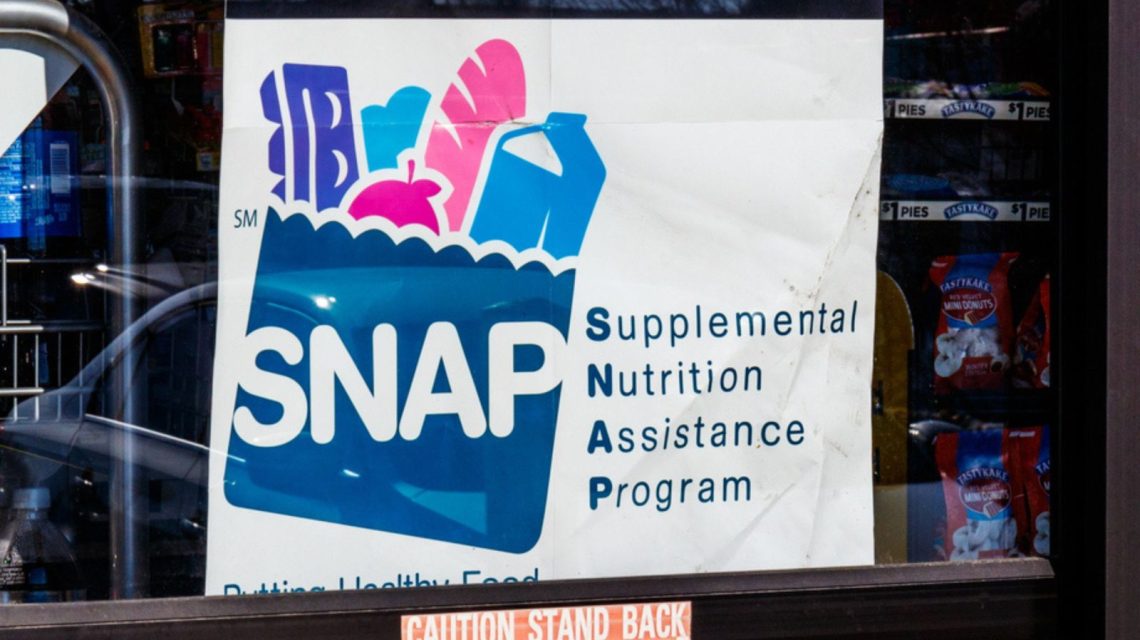
Millions of Californians receiving food assistance through the state’s CalFresh program will soon face new work and community engagement rules. These changes stem from a federal overhaul of Supplemental Nutrition Assistance Program (SNAP) benefits, set to take effect in June.
Impact of One Big Beautiful Bill Act (OBBBA)
The requirements emerge as SNAP participation falls nationwide. This follows the passage of the One Big Beautiful Bill Act (OBBBA) last summer. The act introduced stricter eligibility standards and expanded work rules for many recipients.
Under the legislation, work requirements now apply to adults up to age 64. Rules for able-bodied adults without dependents (ABAWDs) have tightened. Some exemptions have been removed, previously applicable to veterans, people experiencing homelessness, and former foster youth. Additionally, restrictions on some lawfully present immigrants have increased. As a result, SNAP participation dropped by about 4.2 million recipients nationwide over one year. California could see a similar decline.
Implementation Timeline and Impact
The changes are part of legislation passed in July 2025, with varying roll-out times across states.
Data from the U.S. Department of Agriculture indicates SNAP participation fell from 42.8 million recipients in January 2025 to fewer than 38.6 million by January 2026, primarily due to stricter work requirements. SNAP, called CalFresh in California, remains the largest food assistance program in the U.S., aiding over 5.1 million Californians in covering grocery costs.
California’s New Rules
Starting June 1, California will implement updated federal work and community engagement rules for CalFresh recipients.
Under these guidelines, some adults must meet work-related conditions to continue receiving benefits. The state highlights that these rules typically apply to:
- Recipients aged 18 to 64
- Individuals without a disability
- Those without a dependent child under age 14
Recipients subject to these requirements might need to work, volunteer, attend school, or participate in a job training program to maintain eligibility.
The policy broadens categories of recipients who may now need to comply with work standards. Groups that previously were exempt but now may need to comply include:
- Adults aged 55 to 64
- Parents with children aged 14 or older
- Veterans
- Individuals experiencing homelessness
- People previously in foster care
Exemptions remain available under some conditions. These include circumstances such as pregnancy, inability to work due to physical or mental health conditions, caring for a child under 14, receiving disability-related benefits, participation in certain refugee training programs, or meeting other qualifying criteria.
California’s Department of Social Services, which oversees SNAP, notes that people impacted by addiction, domestic violence, or chronic homelessness linked to a physical or mental health issue may still qualify for exemptions.
Understanding ABAWD Rules
Federal law dictates that ABAWD recipients can claim only three full months of benefits within a three-year span unless they meet work participation standards or qualify for an exemption.
To retain eligibility beyond that limit, recipients generally must:
- Work an average of 20 hours per week
- Earn at least $217.50 weekly before taxes
- Volunteer or partake in qualifying education or job training programs
For those enrolled in school or training programs, attendance is required for at least half time or 20 hours weekly. Failure to meet these criteria could result in losing benefits after three months within the three-year window.
Counties Exempt From ABAWD Rules
Some California counties are exempt from the new ABAWD work rules until October 31. The waiver applies to:
- Alpine County
- Colusa County
- Imperial County
- Merced County
- Monterey County
- Plumas County
- Tulare County
Residents in these counties may continue receiving CalFresh benefits beyond the three-month limit without meeting work requirements.
Nationwide SNAP Enrollment Fall
Throughout early 2025, participation figures gradually decreased, staying above 42 million recipients through July. Enrollment began to decline more sharply post-OBBBA enactment.
Between August 2025 and January 2026, participation shrank by about 3.4 million people. The most significant one-month drop occurred between October and November 2025, with more than 1 million fewer recipients following compliance with new standards.
Newsom’s Criticism of Federal Changes
California Governor Gavin Newsom, while not specifically commenting on the CalFresh changes coming in June, criticized the broader federal legislation last year.
The so-called ‘Big, Beautiful bill’ is not cost-saving. It is not smart. It is cruel, costly, and a significant encroachment on states’ rights—the opposite of what Republican leadership claims to stand for,” Newsom said last June, about a week before President Donald Trump signed the OBBBA into law.
Newsom continued, stating, Big government is getting bigger under Trump and Speaker Johnson, as they attempt to dictate every move states make and micromanage Americans through even greater bureaucracy. It’s dangerous, and anyone with common sense should oppose it.
 Understanding Inflammation: Myths and Facts
  Calm Parenting: Strategies to Manage Stress
  Trump’s Executive Order to Combat Mosquitoes and Ticks in D.C.
  Overcoming Weight Loss Challenges: Brain Health and GLP-1 Medications
  Supporting Children’s Mental Health at Home: Practical Steps for Parents
  Abdul El-Sayed’s Strategy to Attract Health-Conscious Voters in Michigan