
The U.S. Fish and Wildlife Service is facing a pivotal shift due to regulatory amendments to the Endangered Species Act. These changes require an assessment of the economic implications of protecting habitats for endangered species. This development follows recent policy adjustments announced on July 17, 2026.
Notably, the Florida manatees, which were observed in large numbers in Crystal River’s Three Sisters Springs, Florida, are among the wildlife potentially affected. The decision could impact other species, such as the pygmy rabbit, which might soon receive official recognition as threatened with extinction.
The policy modifications originated during the Trump administration. They allow actions like trapping, killing, or harassing animals deemed threatened. Such measures have raised concerns among conservationists who argue that economic priorities should not overshadow the urgent need to protect vulnerable species.
These regulatory changes represent a significant shift in how the United States approaches wildlife conservation. By factoring in economic considerations, the U.S. Fish and Wildlife Service may alter its traditional conservation strategies, which could have profound ecological ramifications.
 The Threat of Melting Glaciers: A Call to Action
 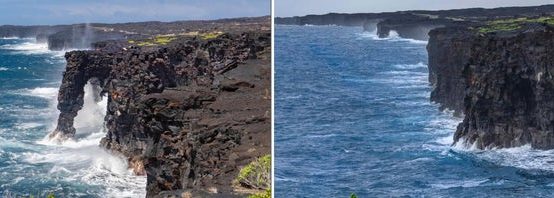 Collapse of Hawai’i’s Hōlei Sea Arch Amidst Storms
  Los Angeles Faces Uncommon Heatwave in October
  Drought Drives Black Bears Closer to Human Activity
  Atlantic Ends September Without a Hurricane for First Time Since 1994
 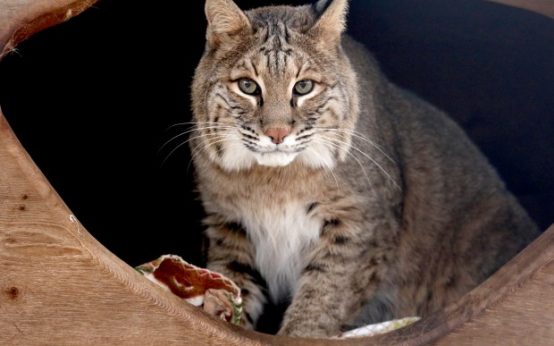 Bobcat Sightings and Conservation Efforts in Illinois