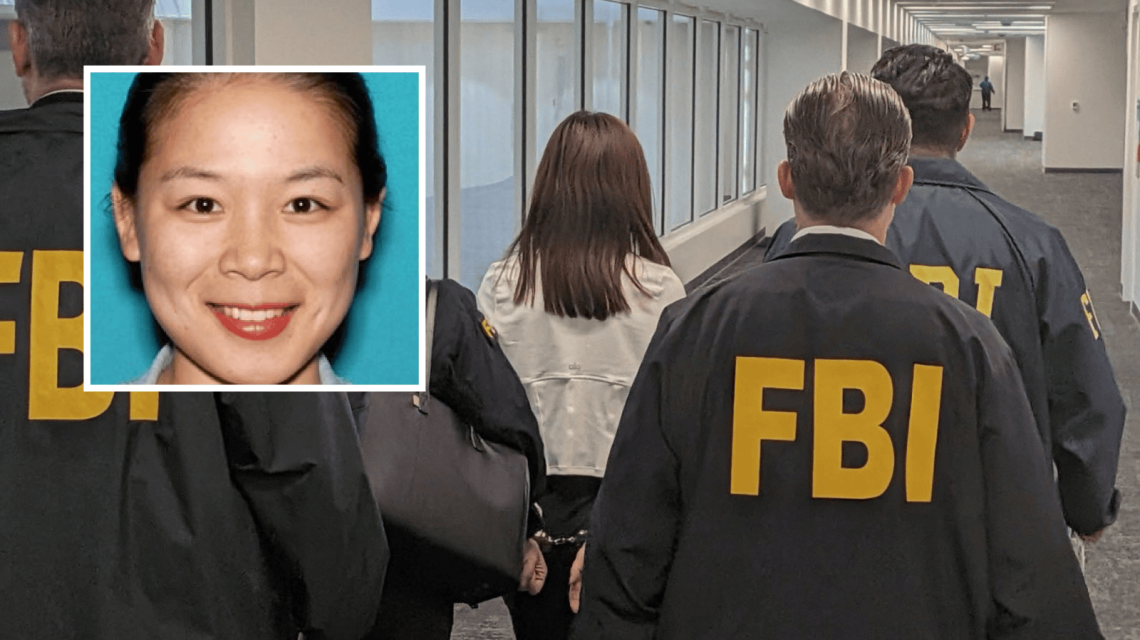
China’s Espionage Tactics: Since 2017, Chinese citizens and organizations have legally supported state intelligence. China’s espionage skills have improved after defeating a CIA spy network. The Chinese are focusing on the United States, exemplified by Christine Fang, who fled in 2015 amid an FBI investigation. Her use of sex, money, and power in espionage was evident in her involvement with political campaigns. Fang’s attempts were unsuccessful, but similar efforts continue.
Recent Arrest and Chinese State Influence: A recent arrest highlights ongoing concerns. Wanying Zhang, an Orange County realtor, was accused by the FBI of acting as an unregistered Chinese agent. Zhang, a naturalized U.S. citizen from Hunan province, was prepared to fly to Shanghai when arrested. FBI officials claim Zhang aimed to target Taiwan’s presidential family, posing a danger to U.S. national security.
Zhang’s background indicates links with China’s intelligence services traced back to her education at the University of International Relations in Beijing, renowned for training spies.
Zhang’s Espionage Activities: FBI Special Agent Kevin Holt revealed Zhang was recruited by a classmate and assigned missions discreetly in China. On September 1, 2025, Zhang surveilled relatives of Taiwan President Lai Ching-te. Evidence from security footage and Zhang’s iCloud account corroborated the claim. FBI Director Kash Patel emphasized the seriousness of Zhang’s actions, highlighting a willingness by China to engage heavily in hybrid spycraft tactics.
Legal Proceedings and Implications: Charged with violating 18 U.S.C. § 951, Zhang faces severe legal consequences if convicted, with potential imprisonment of up to 10 years. Although Zhang’s motives are unclear, her actions are a part of China’s broader strategy, using non-traditional methods to gain influence.
China’s Global Spy Strategy: China persists with espionage and pressure tactics, employing U.S.-based affiliated groups for “united front” influence work. These methods avoid traditional espionage, making them difficult to combat legally. Beijing’s focus on Taiwan, which it considers a part of Chinese territory, includes efforts to undermine its democracy and military, threatening U.S. interests.
U.S. Defense Concerns: American planners caution that losing Taiwan undermines U.S. strategic interests. China’s attempts to gain leverage over Taiwan’s leadership include espionage targeting officials’ families, as Holt’s complaint indicates. These acts extend beyond diplomatic norms, emphasizing China’s dedication to espionage.
The persistence of espionage from China indicates it will continue using these tactics. China’s determination remains despite setbacks.
 The Complex Battle of the Strait of Hormuz
  Navanethem Pillay Honored with Nobel Peace Prize for 2026
  Countries Competing to Host 2036 Summer Olympics
  Controversial Rap Song Amid French Protests
 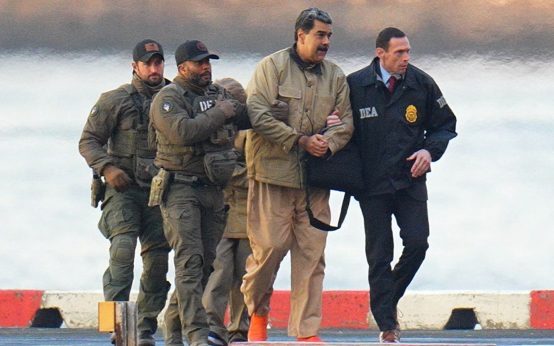 U.S. Expands Case Against Venezuela’s Maduro with New Torture Charges
  Nobel Peace Prize Awarded to Navi Pillay