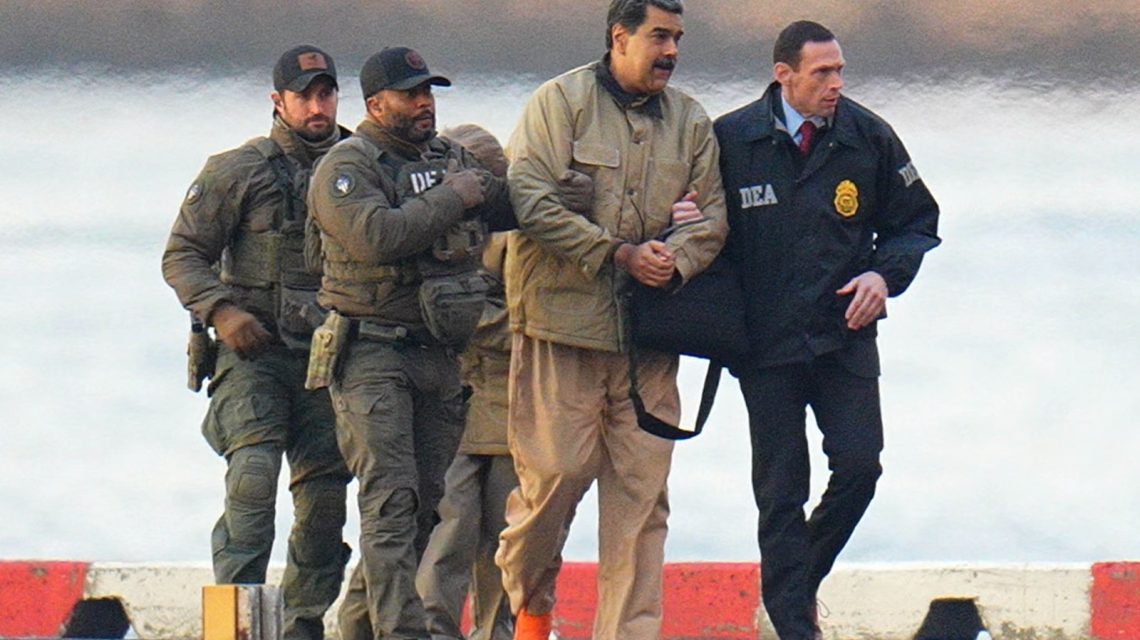
U.S. prosecutors have expanded the criminal case against former Venezuelan President Nicolás Maduro and ex-first lady Cilia Flores. New charges related to torture were unveiled, adding to previous allegations of narcoterrorism, cocaine trafficking, and weapons offenses. These charges come amid claims of using violence, intimidation, and repression to maintain power.
The superseding indictment introduces a conspiracy to commit torture accusation. Prosecutors argue that state institutions and security forces targeted opponents and detainees, including U.S. citizens. This development raises questions about the impact of additional charges on what is set to be a significant international criminal trial.
U.S. forces captured Maduro, 63, and Flores, 69, in Caracas on January 3. They were brought to New York to face federal drug-trafficking charges. Both have pleaded not guilty and are detained while awaiting trial in June 2027. Their capture ended Maduro’s 13-year rule, with Delcy Rodríguez taking over.
Maduro’s attorney stated, “President Maduro denies the charges in the new indictment and looks forward to his day in court.”
DOJ’s Investigation Unveils New Crimes
Attorney General Todd Blanche stated that investigators continued their work following the couple’s arrest. He emphasizes seeking justice for torture, narcoterrorism, and organized crime victims. Maduro, Flores, and their circle allegedly profited through corruption and used violence and torture against opponents over two decades.
Victims reportedly experienced electric shock, asphyxiation, rape, starvation, isolation, and psychological torture. Alleged victims include U.S. citizens. The DOJ stresses these are allegations, and all defendants are presumed innocent until proven guilty.
U.S. Attorney Jamie McDonald noted the new indictment accuses the couple of conspiring with other leaders to repress dissent through human rights violations, including torturing Americans. These torture claims augment the narcoterrorism and cocaine-importation charges previously potentially leading to life sentences.
Legal Analysis of the New Charges
David Weinstein, a former federal prosecutor, believes new charges strengthen the case by enlarging the scope of allegations. They present a more comprehensive picture of the government’s case against Maduro. Defense attorneys may request more time to prepare or even try to separate the torture charges from the original narcotics case.
International Law Implications
John Cerone, an international law scholar, highlights the case’s significance under international law. The U.S. and Venezuela are parties to the Convention Against Torture, obligating prosecution or extradition of alleged torturers. This case may test head-of-state immunity limits. The prosecution of former Chilean dictator Augusto Pinochet set a precedent for prosecuting former leaders under the Torture Convention.
The case could affect global accountability efforts, as evidence from the U.S. could aid foreign courts.
Next Steps in the Trial
The additional charge’s impact on the trial’s timeline remains uncertain. Prosecutors and defense may face delays as more time for preparation is requested. International reactions may vary, assessing the case’s political motives versus its alignment with anti-torture commitments.
The jury’s decision will ultimately determine the allegations’ validity. Experts believe the new charges shift the focus from narcotics to alleged human rights abuses, potentially redefining international legal accountability for leaders like Maduro.
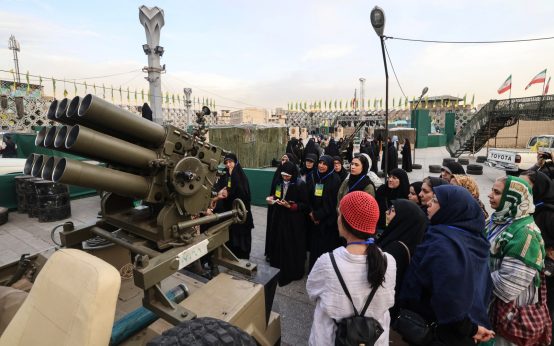 The Complex Battle of the Strait of Hormuz
 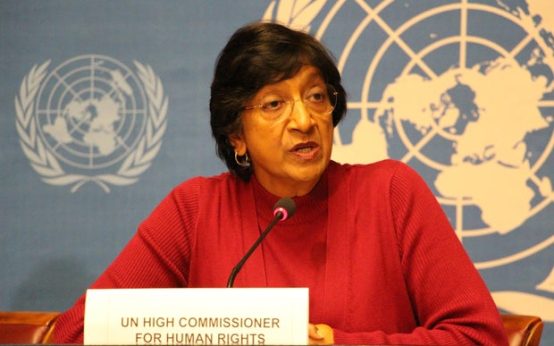 Navanethem Pillay Honored with Nobel Peace Prize for 2026
  Countries Competing to Host 2036 Summer Olympics
 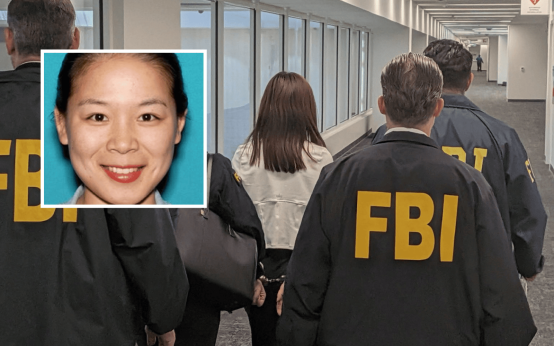 Chinese Espionage: The Persistent Threat
  Controversial Rap Song Amid French Protests
  Nobel Peace Prize Awarded to Navi Pillay