
Severe storms, heat waves, and wildfires can disrupt community life. These natural events can flood festivals, cancel events, and force people indoors. These are signs of climate change altering both the natural environment and social interactions.
Globally, social connections are crucial for well-being. They keep our minds engaged and help lower stress. In emergencies, social ties are valuable. They enable information sharing, mutual aid, and coordinated actions. For example, during heat waves, communities share heat warnings, assist vulnerable members, and organize cooling shelters when needed.
However, climate change could be weakening community bonds. More frequent and severe weather can impair relationships, interrupt routines, and damage community spaces. Such disruptions threaten the social fabric that helps communities thrive.
An assistant professor at the University of Tennessee studies how social and environmental challenges intersect. The impact of climate change on social life is often overlooked yet significant.
Research indicates a decline in face-to-face interactions among Americans, even before the pandemic. In rural Appalachia, extreme weather further limits social activities.
Extreme Weather and Social Separation
This summer saw extreme heat dominate the news. Dangerous outdoor temperatures force people indoors, affecting social activities. “I don’t remember it being this hot growing up,” a young social worker noted. “People stay home if it’s too hot. They avoid community events.”
Severe storms and floods make travel unsafe, hindering family visits and social gatherings. These obstacles erode daily interactions that foster connection.
Communication Breakdowns During Extremes
Extreme weather affects communication. Storms, floods, and heat waves often lead to power outages. These outages disrupt electricity and internet services, which are vital for staying connected, especially when communication is critical.
“We’re so isolated. Without power, we lose cellphone service and connections,” said a 74-year-old rural resident.
Loss of Cultural Sites and Traditions
Climate change can also impact culturally significant places and traditions. This was evident when Hurricane Irene hit Cherry Valley, New York, in 2011. Flooding destroyed a popular community site, reducing local gathering spaces.
In the Appalachians, drought and heat affected gathering places. Water levels fell, wildfires damaged forests, and crop losses reduced the number of pawpaw fruits at festivals.
A 68-year-old mentioned, “Our streams have dried. Pawpaw drops were pitiful. This situation might worsen. We need solutions.”
The deterioration of these places threatens the shared experiences that connect communities.
Compounding Disasters
Overlapping weather disasters further strain social bonds. A severe storm can cause flooding and outages amid a heat wave, compounding transportation and communication challenges. Frequent hazards limit mobility and social engagement, weakening ties.
Socially isolated individuals, like the elderly and those in rural areas, are especially vulnerable. Climate change exacerbates their isolation by reducing social interaction opportunities.
Preserving Social Bonds Amid Climate Challenges
Climate change, largely driven by fossil fuel use, increasingly impacts daily life. Social connections are vital for both addressing extreme weather and fostering community adaptation.
One strategy is investing in community hubs, such as libraries, or creating new gathering spaces. These can host learning activities and serve as shelters in emergencies, offering resources, internet, and phone charging during outages.
In a time of rapid climate change, social connections are a community’s greatest but fragile asset.
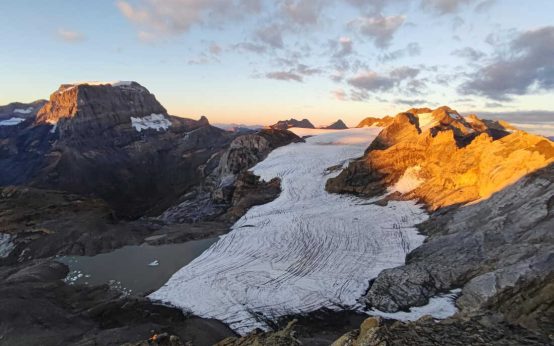 Swiss Glaciers Show Effects of Ice Loss Amid Global Warming
  Climate-Resistant Rock Glaciers: Hidden Water Resources
  Senators Reach Bipartisan Agreement on Permitting Reform
  Experts Warn of Critical Period for the Colorado River
  Future Cities: Ambitious Projects Aiming for Innovation and Sustainability
  Supreme Court Case Suncor vs. Boulder: Implications for Accountability in Climate Change