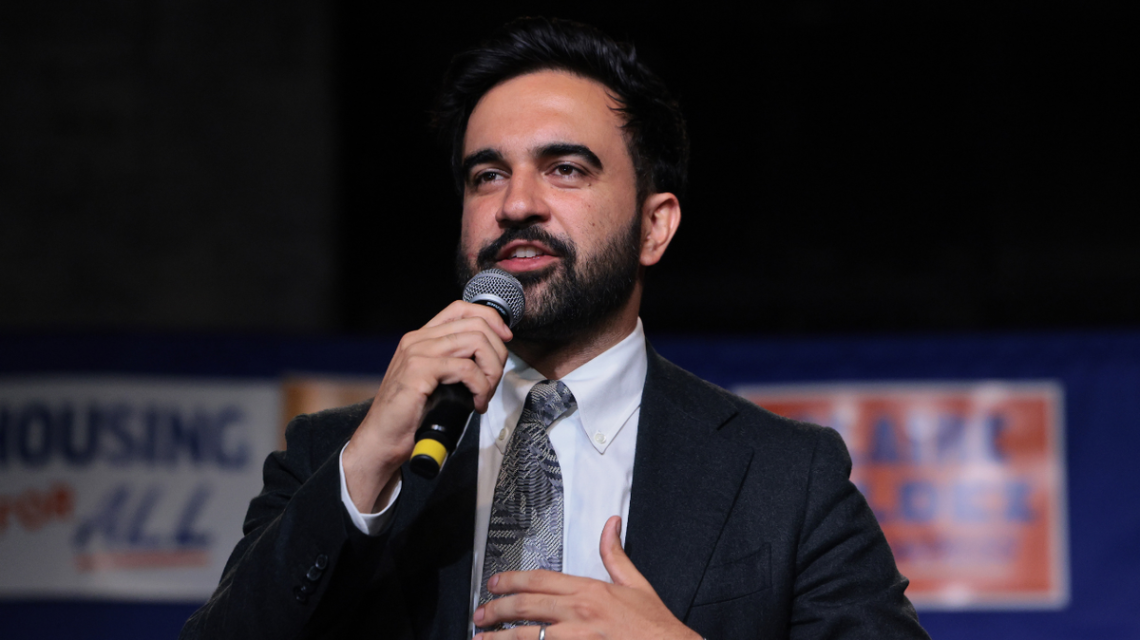
Arpit Gupta, the sole dissenting member of New York City’s Rent Guidelines Board (RGB) against the recent rent freeze, expressed concerns that the policy may deteriorate older rent-stabilized buildings. Speaking with Fox News Digital, he highlighted how the lack of revenue for landlords could hinder necessary capital improvements. This rent freeze, a key campaign promise from Mayor Zohran Mamdani, might also impede landlords from meeting financial obligations.
Gupta, an associate finance professor at New York University, described the impact as a gradual problem. He stressed that deferred maintenance could lead to worsening building conditions. Furthermore, Gupta noted that financial distress might result from delays in mortgage, insurance, and property tax payments, potentially leading properties to change ownership.
“The risk is that the buildings do go under more distress,” Gupta stated. He elaborated on various responses, emphasizing the challenge of property maintenance under financial strain.
The rent freeze applies to around one million stabilized apartments, affecting one- and two-year leases from October 2026 to September 2027. The policy could mean landlords wait until late September 2029 before any legal rent increases. Gupta views this as a blunt approach that fails to solve the affordability crisis.
RGB Chair Chantella Mitchell, appointed by Mamdani, acknowledged increased property tax and insurance costs but argued that most landlords can manage these rising expenses. Yet, Gupta pointed out that financial strain hits older, rent-dependent buildings harder than new, mixed-income properties.
In contrast to former Mayor Bill de Blasio’s administration, which froze rents three times for one-year leases, Mamdani’s board implemented a broader freeze. About 30% of rent-stabilized tenants earn six figures or more, while many market-rate tenants struggle below the poverty line. Gupta suggested the need for better-targeted aid, expanding assistance to low-income residents rather than focusing solely on rent-stabilized tenants.
Gupta also warned that the rent freeze might lead landlords to keep units vacant. In early June, reports indicated over 57,000 vacant stabilized apartments in April 2025. Owners may leave units empty because recovering rehabilitation costs is unfeasible with a rent freeze.
The Housing Stability and Tenant Protection Act of 2019, which eliminated the “vacancy bonus,” contributed to declining revenues, according to landlords. Gupta acknowledges tenants struggle despite past affordability efforts but disagrees with pre-determined policy decisions. He expressed concern that the rent freeze could extend unreasonably, following Mamdani’s campaign pledge.
Gupta remains uncertain about the conditions influencing future rental increases. He senses some board members expect ongoing freezes, differing from his perspective. Mitchell declined to comment further on the policy’s implications.