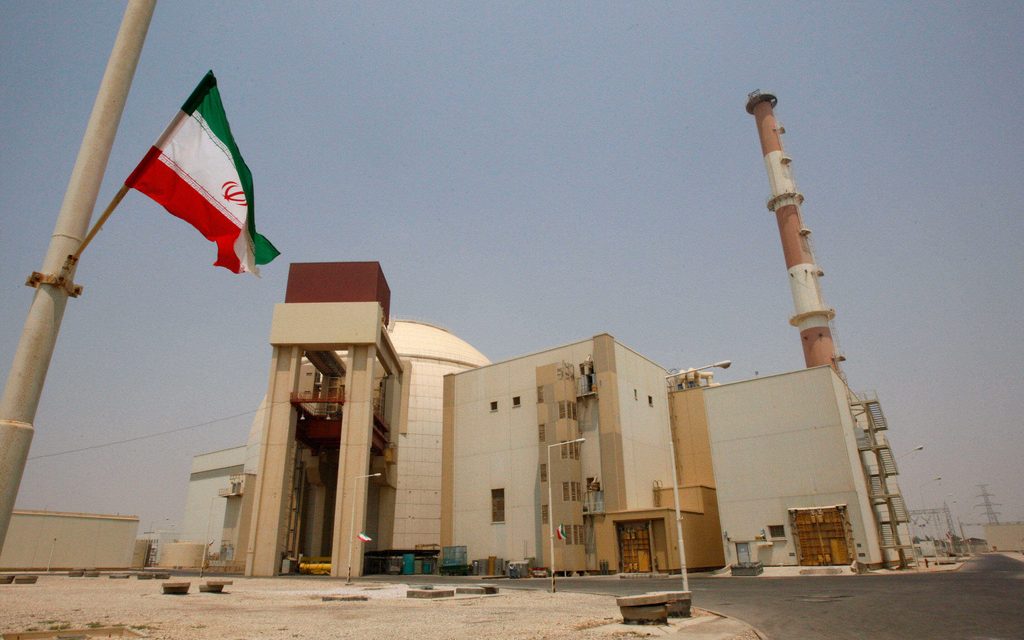
The Iranian flag famously flies outside the Bushehr nuclear power plant, a reminder of the ongoing tensions surrounding Iran’s nuclear capabilities. This plant, located near Bushehr city, elevates concerns regarding Iran’s potential to produce nuclear weapons.
The central issue is Iran’s capability to produce plutonium. This production occurs as a byproduct at Bushehr, a site active for over 15 years. The accumulated plutonium, trapped in spent nuclear fuel, poses a significant risk. Experts note that even reactor-grade plutonium can yield high-explosive potential, raising alarm about Iran’s nuclear ambitions.
The current situation resulted from a past commitment never realized. Russia, which constructed the Bushehr reactor, initially pledged to retrieve and transport the cooled spent fuel. Iran declined, and now 210 tons of spent fuel rest in storage, containing two tons of weapons-capable plutonium. This stockpile far outweighs Iran’s enriched uranium, which could produce roughly ten bombs.
Addressing this threat is complex. Military action is not viable due to risks of widespread radioactive contamination. Similarly, direct Special Forces retrieval is impractical given the hazardous conditions of handling such radioactive fuel.
Despite these challenges, allowing Iran to navigate unchecked is equally hazardous. Iran possesses the technical capability to initiate reprocessing—to extract plutonium from the fuel. Historical precedents, such as North Korea’s clandestine operations, underscore this potential risk.
The International Atomic Energy Agency (IAEA) can verify compliance through continuous oversight. However, recent inspection practices at Bushehr have been insufficient, with only a single short visit this year. Continuous IAEA surveillance, employed at thousands of global nuclear sites, remains absent here but is urgent for mitigation.
Since the 2015 Iran nuclear deal’s inadequacies surfaced, the United States has new leverage opportunities. Insisting on real-time monitoring and eventual spent fuel removal must be priority diplomatic objectives. Financially supporting safe transfer operations, with regional cooperation including Russia and possibly Kazakhstan, aligns with these goals.
Prof. R. Scott Kemp of MIT and former Assistant Secretary of State Stephen Rademaker emphasize this necessity, noting the geopolitical implications. Neighboring states, assessing U.S. commitments, might take cues from how these issues are negotiated. Insistence on stringent measures might set a precedent deterring proliferation ambitions worldwide.
 Incident on FlyDubai Flight Raises Security Concerns
  Journalist Gershkovich Discusses Wrongful Detention and Release in Russian Prisoner Swap
 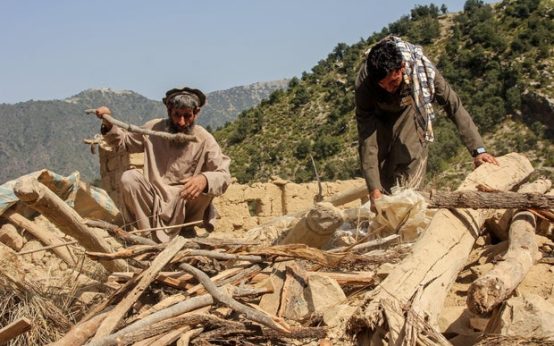 Pakistan Airstrikes in Afghanistan: Civilian Casualties Reported
 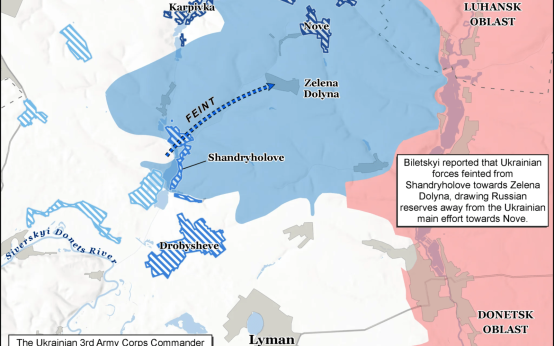 Ukraine Converts APCs to Explosive Devices in Donetsk Offensive
 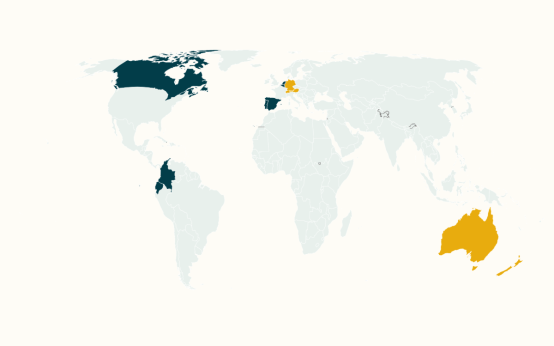 Dutch Review Board’s Euthanasia Ruling and International Debate
  Israeli PM Commends Heroic Actions in Flight Emergency