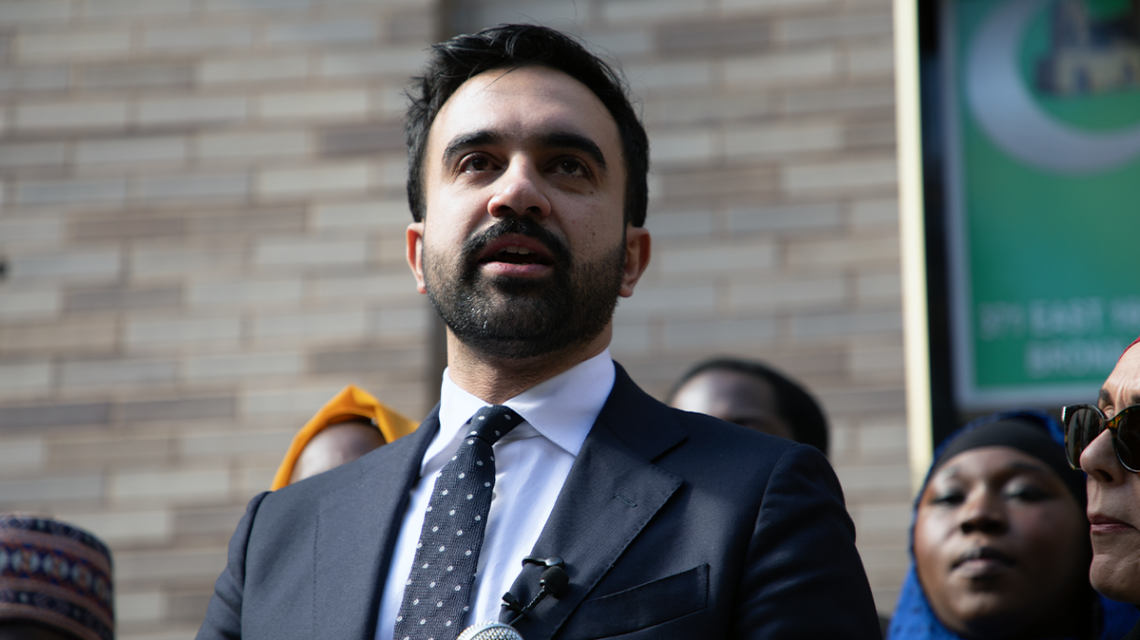
Jessica Tarlov and Lizzy Savetsky recently joined Bill Hemmer and Shannon Bream for a discussion about increasing antisemitism in New York City after two stabbings near Central Park. Rabbi Ari Berman of Yeshiva University criticized Mayor Zohran Mamdani for focusing too much on Israel, which he believes harms New Yorkers. Savetsky linked Mamdani’s anti-Israel statements to rising hate.
During Tisha B’Av, a solemn day marking the destruction of the Temple in Jerusalem, a knife attack occurred on Manhattan’s Upper West Side. The assailant reportedly shouted “Allahu Akbar” before attacking two men, one of whom wore a yarmulke. The victims survived, and a suspect is in custody. Police are investigating the motive, but the city felt the weight of the crime without needing a formal declaration.
The day before the attack, Mayor Mamdani accused Israel of war crimes and called for the arrest of Prime Minister Benjamin Netanyahu. Although he admitted lacking legal authority to arrest a foreign leader, his statements about Israel as a criminal state may have contributed to a climate encouraging violence. Jewish organizations had warned about the city’s growing danger, a warning underscored by the recent attacks.
The Institute for the Study of Global Antisemitism & Policy (ISGAP) released a report linking words and ideas to actions, arguing that labeling Israel as genocidal fosters a harmful environment where violence becomes acceptable. This report highlights Mamdani’s association with anti-Israel rhetoric from his college days to his current political stance, which diminishes the gravity of terrorist attacks and labels legitimate responses as genocide.
The report further details Mamdani’s refusal to denounce calls for globalizing anti-Jewish violence and his attempts to penalize New York institutions supporting Israel. His decisions include removing an international definition of antisemitism from the city’s language. His associations with controversial figures and acceptance of significant donations from organizations linked to questionable backgrounds raise concerns about his broader intentions.
ISGAP’s research into organizations such as the Muslim Brotherhood describes a long-term strategy to exploit Western freedoms, ultimately threatening democratic societies. These findings show how organizations like Students for Justice in Palestine fit into a network allegedly linked to Middle Eastern political goals.
Mamdani’s rhetoric has come under scrutiny for echoing classic antisemitic tropes, presenting wealth and influence as dangerous, which historically have fueled discrimination. His comments against Jewish communities in New York reflect a dangerous convergence of economic calls for justice and hostility towards Jewish presence, with broader implications for societal values.
In the aftermath of these events, Mayor Mamdani’s calls for protests during international assemblies attract criticism from law enforcement, who fear these could lead to disorder. Police unions express concern over the mixed messages sent to potential agitators by having a mayor advocate for activism in this fraught context.
Charles Asher Small, from ISGAP, emphasizes the importance of recognizing the links between rhetoric and violence to prevent further incidents fueled by hatred masked as social justice advocacy.