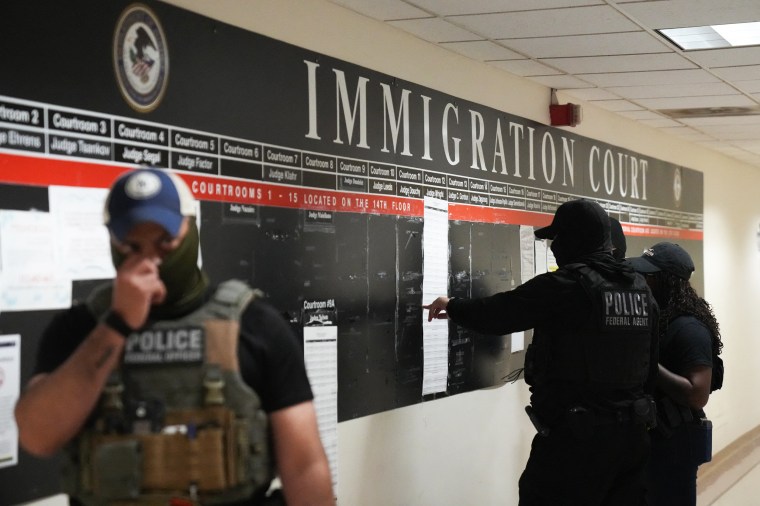
Immigrant rights organizations have long expressed concerns about conditions in detention facilities. These include issues with low temperatures, overcrowding, and cleanliness. Detainees frequently remain uncertain about their release timelines.
ICE currently holds nearly 60,000 individuals, a rise from around 34,000 in prior years of the Biden administration. The average stay for detainees has increased to 50 days from 36. Immigration attorney Simon Sandoval-Moshenberg noted one of his clients spent 11 months detained. He emphasized that not knowing when or if release will occur adds to the already challenging conditions.
“The issue is not just the terrible god-awful conditions in the detention centers; it’s the feeling of not knowing when or even if people will get out of those conditions,” Simon Sandoval-Moshenberg, immigration attorney.
Many detainees lose hope due to the lengthy immigration proceedings, which seem never-ending. Most detainees are men, with over 20,000 having no criminal history aside from immigration violations. Data indicates there were nine suicides by hanging in detention during Trump’s second term. The most recent suicide took place at Stewart Detention Center in Georgia, failing to meet suicide prevention standards as reported by an ICE inspection.
Numerous facilities have not complied with required suicide prevention standards, as noted in 19 instances found since Trump’s second term began. ICE claims it is committed to providing safe conditions and medical care for detainees. The agency asserts that suicide in its custody is rare, and protocols are in place to protect at-risk detainees.
Several facilities operate through companies contracted by ICE. CoreCivic, operating Stewart Detention Center, provided no immediate comment. GEO Group, managing a facility in South Texas, referred inquiries to ICE.
The number of ICE detainees has doubled, yet the frequency of inspections has reduced. At least four DHS offices manage ICE inspections, two of which have diminished operations. Congressional members conduct surprise visits to assess conditions but face increasing restrictions.
“It’s just making it difficult, more difficult for us to do our jobs to be able to see what’s really going on inside these facilities,” Rep. Mike Levin, D-Calif.
The DHS Office of Inspector General will receive substantial federal funding to greatly increase inspection numbers. However, the decline in oversight raises concerns about detainee welfare.
Mental Health Challenges
Detainees face severe mental health challenges, evident in 911 calls showing experiences of “acute psychosis.” At a Michigan facility, one detainee collapsed after refusing psychiatric medication and food for days.
Other incidents include a detainee, Gabriel Leiva, forced into solitary confinement, where he attempted to harm himself. While discovered in time, he expressed confusion about his isolation. Guards did not provide an explanation.
Some deaths occurred shortly after detention. Victor Manuel Diaz, detained for an immigration violation, died by suicide within eight days, raising suspicions from his family. They have requested a second autopsy.
If you or someone you know is in crisis, support is available through 988 Suicide & Crisis Lifeline via 988 or 988lifeline.org.
 Marine Veteran Suing Oregon School District Over Curriculum Reimbursement
 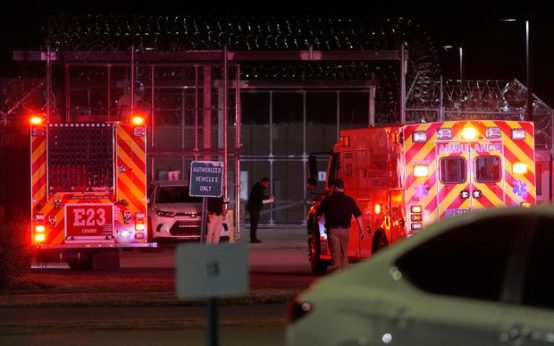 Tennessee Execution Halted as Issues Persist with Lethal Injection Protocol
 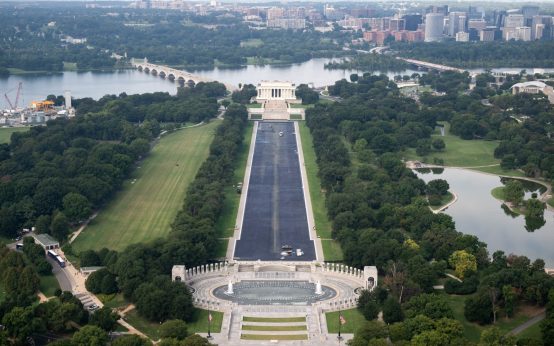 Judge Dismisses Case Against Former Olympian Over Lincoln Memorial Incident
 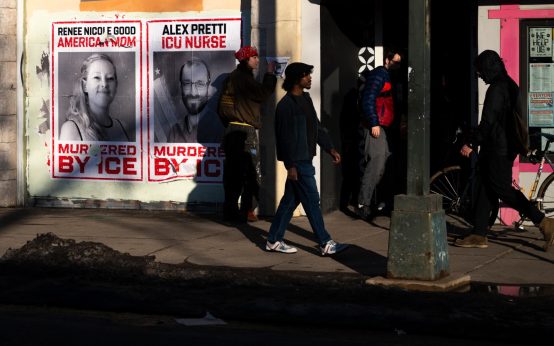 Minnesota Family Files Civil Rights Lawsuit Over ICE Agent Shooting
  California Bans Child Marriage, Protecting Minors
 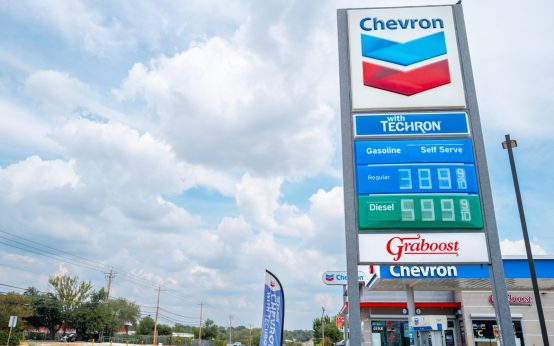 U.S. States Extend Gas Tax Waivers Amid Rising Fuel Costs Due to Iran Conflict