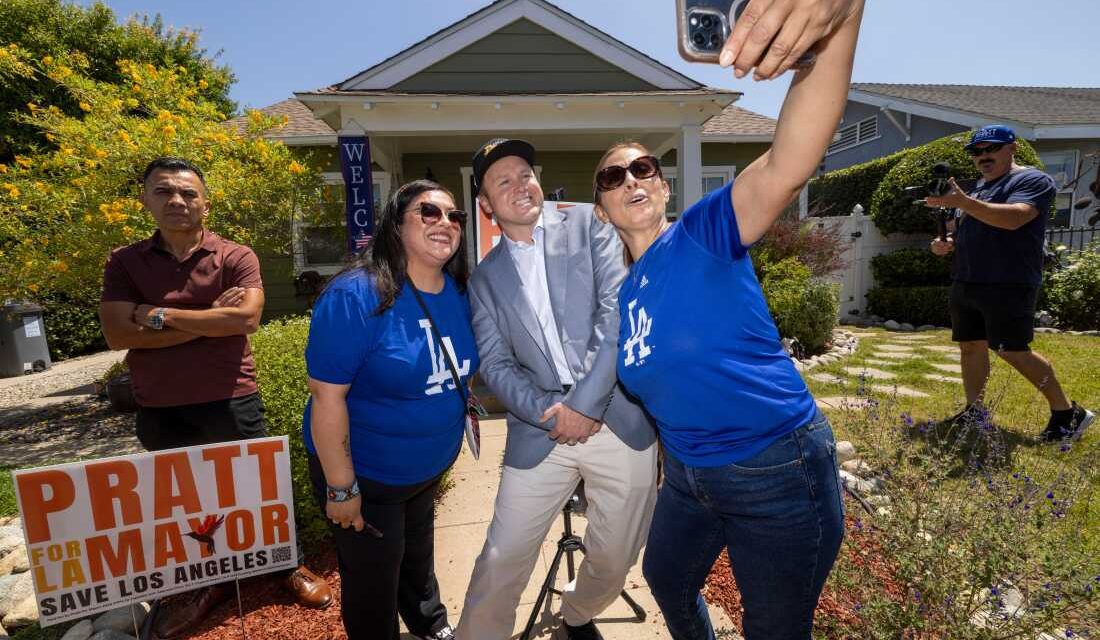
During the Los Angeles mayoral race, unsubstantiated claims circulated rapidly, alleging a fraudulent scheme against MAGA-backed Spencer Pratt. As vote counts were released gradually, these claims were magnified on social media. Some linked changing odds on prediction market sites Kalshi and Polymarket to a supposed interference with the vote count.
Influencers promoting these theories fueled concerns by sharing sponsored posts from these platforms. Mila Joy, a Trump-aligned influencer, claimed a conspiracy was in play. Her posts, indicating Pratt’s declining odds on Polymarket, reached half a million followers.
Another commentator, David Freeman, raised questions about the integrity of the vote count on Kalshi. These posts, marked as ‘paid partnership,’ illustrated how prediction market data is being manipulated to sow doubt in elections.
The Associated Press declared Nithya Raman as the second-place candidate after her votes surpassed Pratt’s. Both Kalshi and Polymarket contributed significant funds to encourage influencers to share corporate content.
The rise of prediction markets has resulted in numerous legal battles. Their influence is evident in the realm of political misinformation on social media. A disinformation expert noted that influencers prioritize attention, often preferring to allege fraud rather than acknowledge errors in betting odds.
Recently, Kalshi and Polymarket have taken actions against some of their paid influencers spreading false election information. Kalshi requested the removal of certain posts, while Polymarket pulled sponsorships from specific creators.
Brendan Nyhan, a political scientist, suggested that companies should refrain from paying individuals to disseminate misinformation. Paid partnerships in tech startups aim to broaden reach and engage users, despite potential risks.
Kalshi, embroiled in controversy, now restricts affiliates from questioning election integrity or undermining legal determinations. Polymarket admitted to not having specific rules prohibiting election disinformation, although user posts violating content guidelines face consequences.
The lack of proper disclosures regarding sponsored content is against Federal Trade Commission rules adopted in 2024. Although the Trump administration hasn’t moved to repeal these rules, enforcement remains uncertain.
The Los Angeles mayoral race was a prime target for election conspiracy theories. Social media users, highlighting Pratt’s favorable betting odds, misunderstood market behavior as reflective of voter sentiment. Experts expressed concern that slow ballot counts, caused by mail-in voting, provided fertile ground for baseless fraud claims.
President Trump further fueled conspiracies by labeling the election ‘rigged’ and questioned Pratt’s defeat. The U.S. Attorney’s office in Los Angeles investigated allegations, dismissing several as false.
Election experts worry about the implications for the upcoming midterm elections, anticipating further challenges. The use of prediction market data in fraudulent claims highlights the increased complexity of addressing election misinformation.
 The Trump Team’s Challenge to the Military Leadership
  Maryland First State to Restrict Electronic Pricing in Grocery Stores
  Activists Push for Nationwide Ban on Child Marriage in the U.S.
 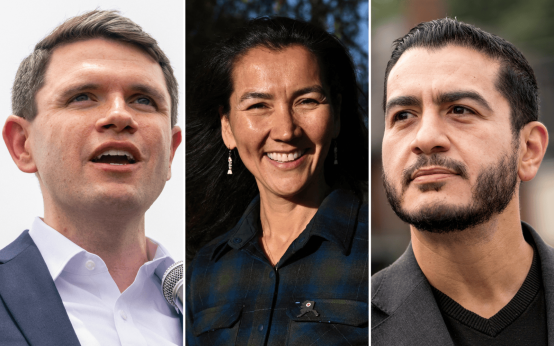 Democratic Hopes and Historical Warnings in 2026 Senate Race
  Republicans Face Challenges Amidst Cost of Living Concerns
 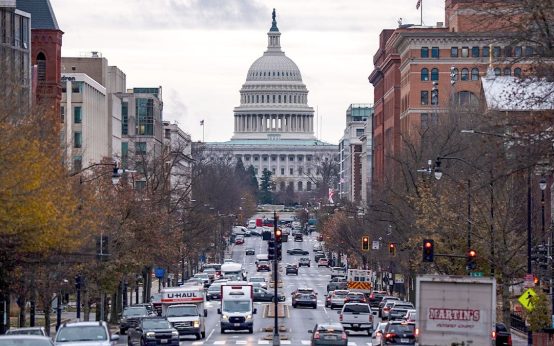 A Different Kind of Fall for Congress This Year