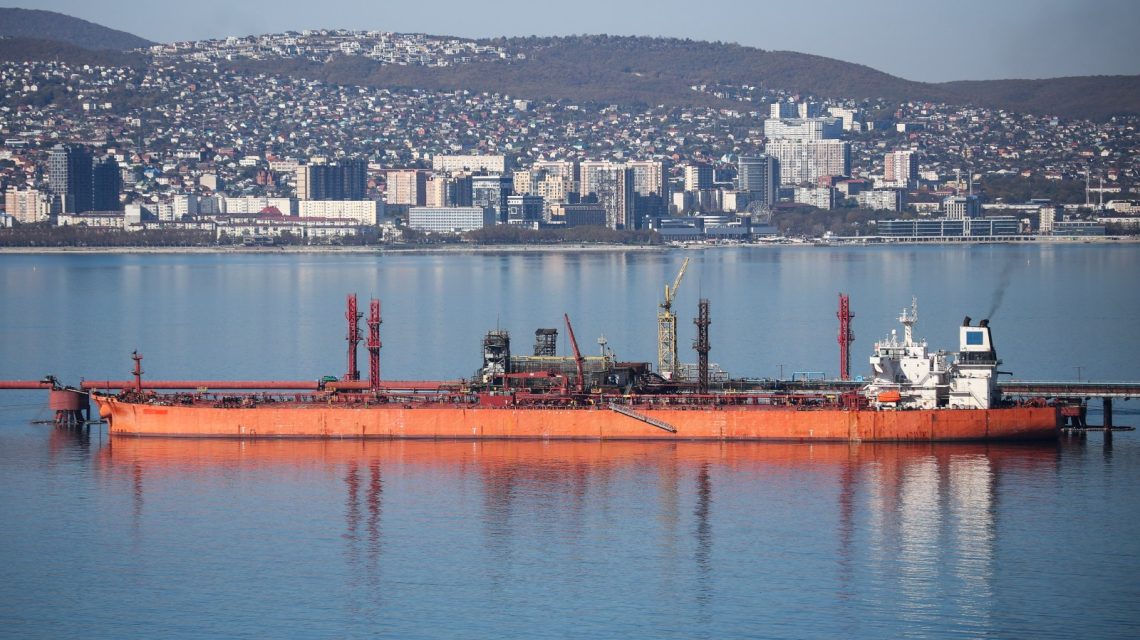
Three tankers carrying Russian diesel fuel are heading toward the U.S., a move generating criticism as President Donald Trump faces scrutiny over an agreement with Russian President Vladimir Putin. These tankers, including Agioi Fanendes, Leruo, and Talisman, left Russia’s Baltic port of Primorsk between October 16 and 22. They are expected to arrive on the U.S. East Coast between November 7 and 11, according to vessel-tracking data reported by AFP.
The Agioi Fanendes is identified as heading toward New York, while the other two vessels are destined for the Atlantic Coast. According to maritime intelligence firm Kpler, these ships collectively carry 924,000 barrels of diesel, approximately one-third of the daily consumption in the U.S. transportation sector.
The agreement, announced by Trump, aims to reduce fuel prices ahead of the November 3 midterm elections. The White House directed inquiries to the president’s remarks when asked for comment.
Ukrainian President Volodymyr Zelensky and members of the Republican Party have criticized the deal, viewing it as a potential aid to Moscow amidst the ongoing war in Ukraine.
Details About the Tankers
MarineTraffic data reveals the tankers are around the United Kingdom and northern Europe. The first, Agioi Fanendes, a Malta-flagged vessel, loaded 40,000 metric tons of ultra-low-sulfur diesel at Primorsk on October 22. Initially, it listed New York as its destination but was later reported idling off Skagen, Denmark, with its destination marked “for orders.” Newsweek has contacted its ship manager, Eastmed, for comments.
The second vessel, Leruo, a Sierra Leone-flagged tanker sanctioned by the UK, Canada, and the EU for various breaches, loaded diesel on October 16. It aims for the Atlantic Coast, with arrival around November 11. The vessel’s tracking data has not been updated recently.
The third tanker, Talisman, also carries Russian diesel under similar sanctions with an expected arrival around November 9.
The involvement of sanctioned vessels raises questions about the legality of these shipments, focusing on the scope of U.S. authorization and its interaction with other Western governments’ restrictions.
Understanding the Trump-Putin Diesel Agreement
Trump announced the agreement on October 9, after discussions with Putin, stating the aim to supply diesel to American and global markets to reduce fuel prices for American consumers, especially those in agriculture and transportation sectors.
The deal represents a significant policy shift in U.S. strategy, following sanctions against Russian energy imports post-invasion of Ukraine. A temporary six-month authorization by the U.S. Treasury allows specific Russian diesel shipments until April 2027.
Russian Deputy Prime Minister Alexander Novak confirmed the shipment of the initial tankers, with more expected. However, the details and timing of further exports remain uncertain.
Criticism from Ukraine and U.S. Officials
Ukraine’s President Zelensky condemned the agreement, arguing it undermines the pressure on Moscow to cease its military aggression. Trump has criticized Ukraine for attacks on Russian refineries, suggesting Zelensky be replaced by a leader willing to engage with Russia.
The deal has strained relations between Washington and Kyiv. In response to the criticism, Trump maintains that the agreement benefits global markets, dismissing concerns from Republican lawmakers questioning the compliance with U.S. law.
Analysts speculate on the impact these shipments could have on U.S. diesel prices. There is uncertainty whether redirecting Russian exports to the U.S. will boost supply or merely shift existing shipments from other buyers.
 Virginia Residents Sue Over Alleged Immigration Violations
 United Airlines Faces System Outage Amid Banking Disruptions
 MTA Worker Attacked During Subway Dispute
 Home Invasion in California: Elderly Woman’s Struggle with Squatters
 NYC Mayor Disbands Controversial Police Unit
 Travel Chaos and Innovation Amid FAA Ground Stop