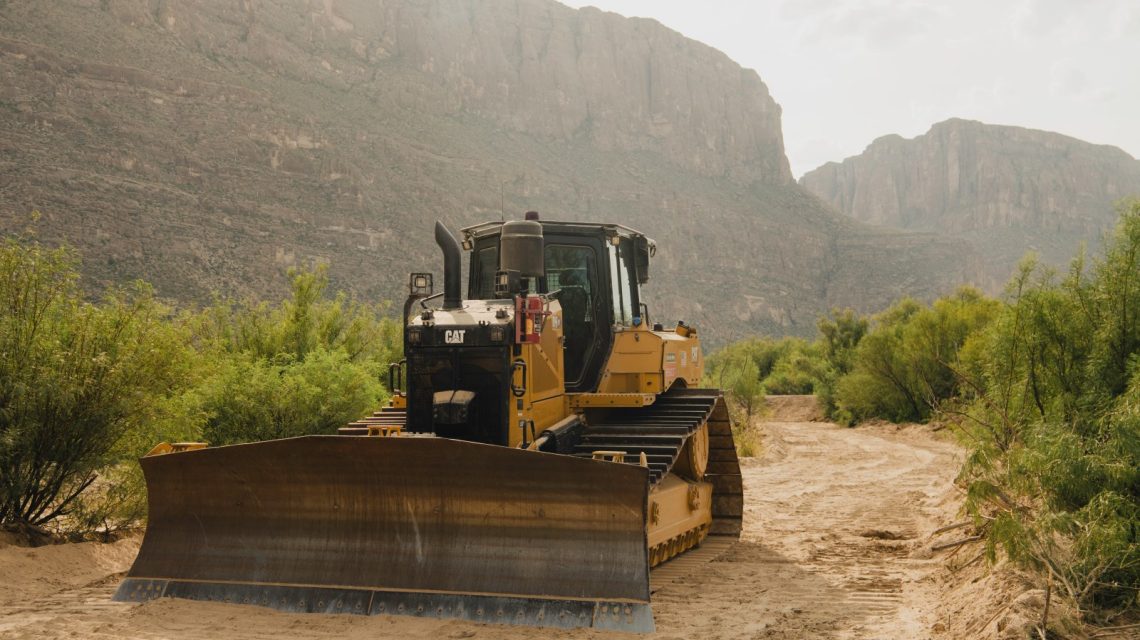
The border wall project initiated by the Trump administration in Texas could involve blasting through Mariscal Mountain, a significant limestone ridge within Big Bend National Park. This has sparked concerns among environmental groups and House Democrats. Federal maps from U.S. Customs and Border Protection (CBP) indicate a planned patrol road through the mountain, near Mariscal Canyon and the Rio Grande. Although the agency has not shared detailed engineering plans, it is suggested that the challenging landscape would necessitate dynamite and extensive bulldozing.
Sheriff Thaddeus Cleveland, who has firsthand knowledge of the area, questions the necessity of a road. He mentioned to Newsweek that crossing the Mariscal Canyon Trail, a 6.5-mile round trip with towering canyon walls, is rare. Even if people crossed, they would face a difficult 110-mile journey to reach a viable pick-up location. Cleveland passes information about potential crossings in the Big Bend region to authorities and notes the information is usually reliable.
According to Cleveland, constructing a road through Mariscal Canyon would be both impractical and unnecessary due to the terrain and isolation. The project faces opposition from local officials, environmental groups, former National Park Service leaders, and businesses reliant on tourism. They argue that roads and infrastructure would harm the sensitive desert habitat, alter remote park areas, and threaten the local tourism economy. The Trump administration supports this project as part of a larger border-security strategy, despite a decrease in illegal crossings during Trump’s presidency.
Construction Concerns with Dynamite Usage
The Center for Biological Diversity claims on August 6 that the route over Mariscal Mountain would require extensive dynamite use due to the rugged terrain. Laiken Jordahl from the Center for Biological Diversity described the project as a severe attack on an American national park, risking damage to the park and limiting access to the Rio Grande.
House Democrats urged the administration to pause further work in Mariscal Mountain until detailed road designs and excavation plans are disclosed. Their letter to key officials expressed concerns about potential damage from blasting, asserting it offers no border security benefit while risking irreversible harm to the mountain. They questioned the plans’ impact on the U.S.-Mexico boundary, citing environmental and treaty considerations.
The CBP’s Smart Wall plan integrates barriers, patrol roads, and surveillance technology, including around 205 miles of detection systems in the Big Bend area. Although the routes and mileage are subject to change, the project’s full implications remain uncertain. The nine-mile limestone ridge of Mariscal Mountain, with a peak of 3,932 feet, poses significant engineering challenges, as noted by environmentalists and lawmakers.
Environmental Impact and Wildlife Concerns
Environmental advocates fear the construction might disrupt habitats and undermine fragile desert ecosystems. Mariscal Mountain is pivotal for wildlife, serving as a critical nesting ground for endangered peregrine falcons. Raymond Skiles, a former wildlife biologist, noted that the area supports vital falcon populations sensitive to disturbances, which could be jeopardized by construction.
Security Justifications from Administration
The Department of Homeland Security (DHS) and CBP insist the Big Bend project bolsters security. Citing over 89,000 migrant encounters between 2021 and 2025, as well as drug seizures, they advocate for the project’s strategic importance. Despite decreasing unlawful crossings, CBP recorded 148 migrant encounters in June 2026, a sharp decline from previous years. The sector, covering 517 miles of the U.S.-Mexico border, remains a focus of security efforts.
Final decisions regarding Mariscal Mountain’s route, the potential use of dynamite, and rock disposal methods are pending. Lawmakers have requested a suspension of the project until these issues are clarified.
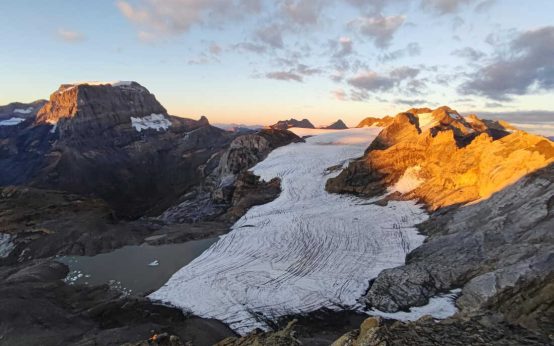 Swiss Glaciers Show Effects of Ice Loss Amid Global Warming
  Climate-Resistant Rock Glaciers: Hidden Water Resources
  Senators Reach Bipartisan Agreement on Permitting Reform
  Experts Warn of Critical Period for the Colorado River
 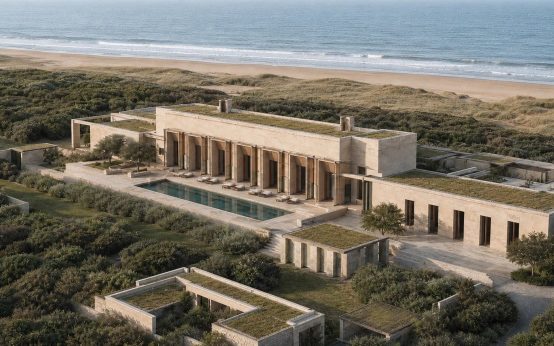 Future Cities: Ambitious Projects Aiming for Innovation and Sustainability
  Supreme Court Case Suncor vs. Boulder: Implications for Accountability in Climate Change