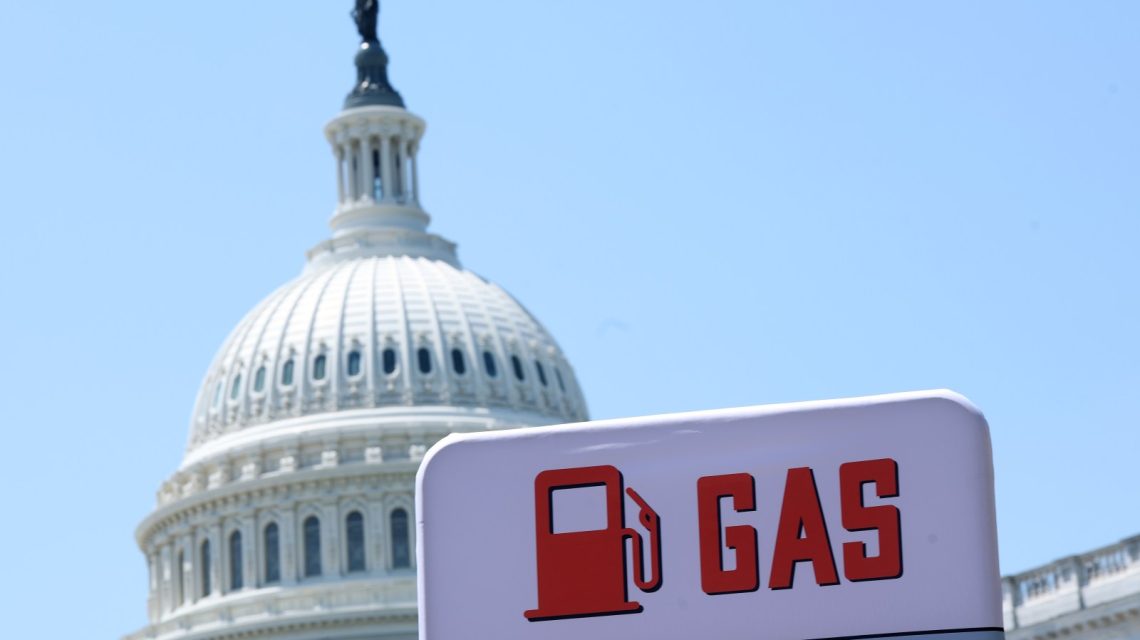
Impact of Iran Conflict on Fuel Prices
The conflict involving Iran and its effect on fuel prices has raised concerns among economists and research institutions. They warn that this event resembles a new, long-term financial burden on American households, similar to a tax. The Department of Labor’s latest consumer price index (CPI) report highlights fears of increased inflation across the economy. This situation could affect desires for interest rates to drop by 2026. Inflation has surpassed wage growth, which diminishes the advantages of any recent pay raises for Americans.
University of Michigan economist Justin Wolfers suggests that this economic pressure, dubbed the “Iran tax,” might persist for months or even years.
Costly Effects on Consumers
The primary influence of the conflict is visible in energy costs. Oil prices have spiked since Tehran’s interference with ship movement through the Hormuz Strait, a crucial track for about 20 percent of the world’s oil supply. This disruption has led to increased domestic fuel pump prices. The American Automobile Association (AAA) notes that the national average for a gallon of regular unleaded gasoline rose from below $3 to $4.49, though a slight recent drop has occurred amid negotiation optimism.
According to Brown University’s Watson School of International and Public Affairs, approximately $48 billion in additional fuel costs emerged for consumers since the conflict’s start on February 28. This amount includes both gasoline and diesel, the latter having seen a price hike of over 50 percent. On average, this results in an extra cost of $364.40 per U.S. household.
Political scientist and senior fellow at the American Enterprise Institute (AEI), Roger A. Pielke Jr., estimates a more extensive financial strain, with households paying an extra $410 monthly when accounting for the rise in gas, jet fuel, and fertilizer.
The notable increase in consumer expenses at gas stations and grocery stores has led to heightened inflation expectations. The University of Michigan’s recent survey predicts a year-ahead inflation rate of 4.8 percent. Additionally, the Department of Agriculture expects price increases in numerous goods to exceed previous projections.
Potential Long-Term Economic Implications
The administration asserts that resolution in military actions resulting in conflict closure will return gas and commodity prices to pre-conflict levels. President Donald Trump indicated in late April that prices will decline swiftly once the war concludes. He reiterated this view at a recent event.
In early May, National Economic Council director Kevin Hassett stated that resuming regular shipments through the Hormuz Strait would cause fuel costs to drop “relatively quickly,” possibly before the midterm elections in November.
No Immediate Return to Normalcy
Despite these predictions, some analysts foresee prolonged economic impacts even if the conflict ends soon. Moody’s Analytics chief economist Mark Zandi noted the ongoing risk that Iran might again obstruct the Hormuz Strait, causing a sustained ‘risk premium’ in oil prices. This contributes to persistent economic tension.
Brown University professor of international economics Mark Blyth remarked that blocking the Hormuz Strait has also limited supplies of plastic, petrochemical feedstock, and fertilizer, setting up for future food price increases due to tighter farming margins. He suggested that even an immediate end to hostilities might still require up to a year for supply chains to normalize.
Justin Wolfers highlighted in a discussion with MS Now that while the conclusion of the war could reduce fuel costs, recovery might not be as swift as the government predicts. “Oil prices will decrease,” Wolfers said, “yet not as quickly.”
 Historical Events in Chicago on October 1st
  Patrick McEnroe Advocates for Collegiate Athletic Reform
  Push for Reparations Faces Challenges and Calls for Strict Eligibility
  Texas Man Arrested for Threatening State Capitol Attack
  The Key Debate Between Xavier Becerra and Steve Hilton: What You Need to Know
  Physicians Urge Senate to Reject FDA Nominee