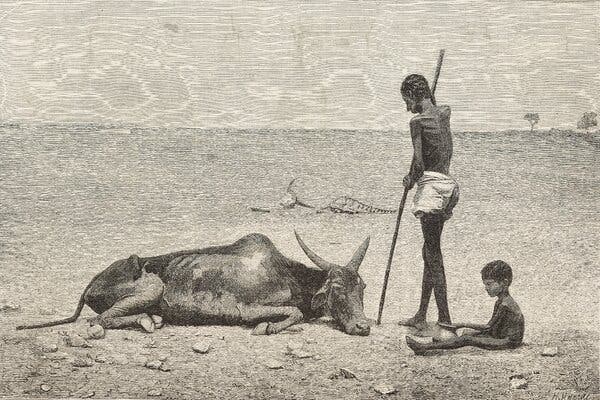
El Niño, a powerful climate phenomenon, significantly affects global weather patterns through shifts in Pacific Ocean winds and water temperatures. These natural events have historically driven droughts, heat waves, and even intensified epidemics. Researchers note the possible connections between El Niño and political and economic disruptions in ancient civilizations.
An illustration from 1877 depicts a tragic famine in southern India, linked to El Niño, which resulted in millions of deaths. Such events highlighted global inequalities that laid the foundation for terms like ‘first world’ and ‘third world.’
Currently, the world is entering a new El Niño phase. Experts suggest this could potentially be one of the most intense on record. The event underlines how natural forces can create significant volatility and hardship when they reach extreme levels.
Although the present El Niño is in its early development, predictions suggest it could have substantial global consequences. Despite advances in tracking technology and agricultural practices, the world faces existing challenges. These include fertilizer shortages due to geopolitical tensions and budget strains from rising energy costs.
Moreover, reductions in foreign aid have weakened the global safety net, particularly affecting poorer nations. While catastrophic famines are not expected, experts warn that El Niño’s pressure could exacerbate the current stresses on the global system.
 Atlantic Ends September Without a Hurricane for First Time Since 1994
  Bobcat Sightings and Conservation Efforts in Illinois
 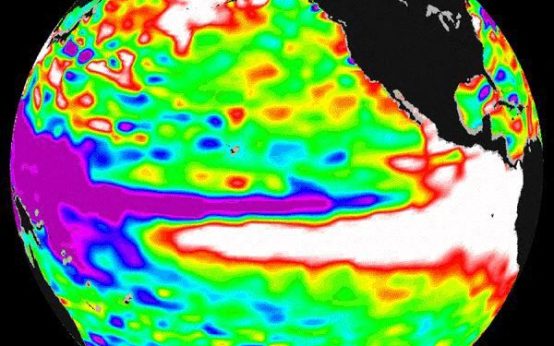 2026 El Niño: A Historical Comparison and Future Projections
  U.S. Records Warmest September in History
  Swiss Glaciers Show Effects of Ice Loss Amid Global Warming
  Climate-Resistant Rock Glaciers: Hidden Water Resources