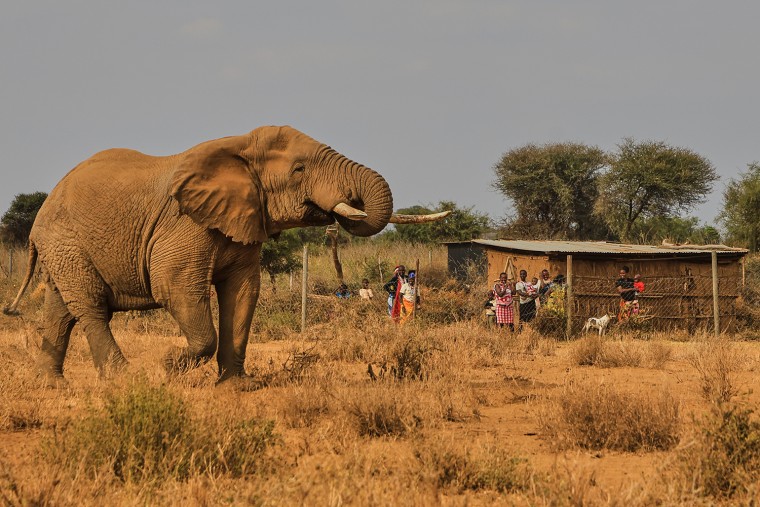
On a dusty road in Kimana, Kenya, the carcasses of elephants highlight a tragic scenario. Two elephants lie dead, possibly victims of cyanide poisoning. These are among 15 elephants that recently died in Kenya’s Amboseli National Park after reportedly eating tomatoes from nearby farms.
Investigations are underway to determine how cyanide reached this ecosystem, where wildlife and agriculture coexist. Farmers dispute allegations linking cyanide from tomatoes to the elephant deaths. This situation underscores growing concerns about human-wildlife conflict amid expanding agricultural activities near Amboseli.
Kenya has made strides in bolstering its elephant population, now over 36,000, by curtailing poaching and safeguarding habitats. A longtime farmer in the area, Elvis Muchai, contests the claims of poison use. Despite crop losses from elephant raids, he asserts that there’s no history of farmers poisoning wildlife.
Last month, the Kenya Wildlife Service reported the deaths of 15 elephants in the Amboseli ecosystem within a month. Initial lab tests found cyanide, with postmortem exams revealing tomatoes in their stomachs. Dr. Isaac Lekolool, head of veterinary services, noted signs of “paralysis and difficulty breathing” in the elephants, indicative of cyanide poisoning.
Efforts to identify the cyanide source continue, with attention to pesticide handling on farms. Located near Amboseli, Kimana excels in growing tomatoes, onions, and French beans for markets in Nairobi. Yet, the connection between cyanide and mining remains disputed, as the government regulates cyanide use.
The Kenya National Elephant Plan highlights human-elephant conflicts, which, after poaching, account for significant elephant deaths. This issue results from expanding human activities as communities safeguard their livelihoods. However, Duncan Juma of Kenya’s wildlife service denies that these deaths reflect such conflicts, emphasizing local affinity for elephants.
The International Fund for Animal Welfare (IFAW) stresses the urgency of addressing the causes of human-wildlife conflicts. According to IFAW, coexistence strategies are vital for both community safety and wildlife protection. Ben Wandago, IFAW’s East Africa Director, advocates for stringent control of toxic substances to prevent environmental contamination.
Farmers remain skeptical about cyanide’s presence in agriculture. Muchai maintains that known pesticides contain no such chemicals, reaffirming government regulation of available products. This skepticism is compounded by the fact that other animals, such as goats and gazelles, remain unaffected.
 Atlantic Ends September Without a Hurricane for First Time Since 1994
 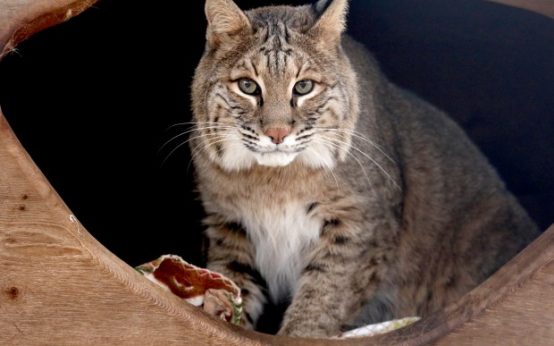 Bobcat Sightings and Conservation Efforts in Illinois
  2026 El Niño: A Historical Comparison and Future Projections
  U.S. Records Warmest September in History
  Swiss Glaciers Show Effects of Ice Loss Amid Global Warming
  Climate-Resistant Rock Glaciers: Hidden Water Resources