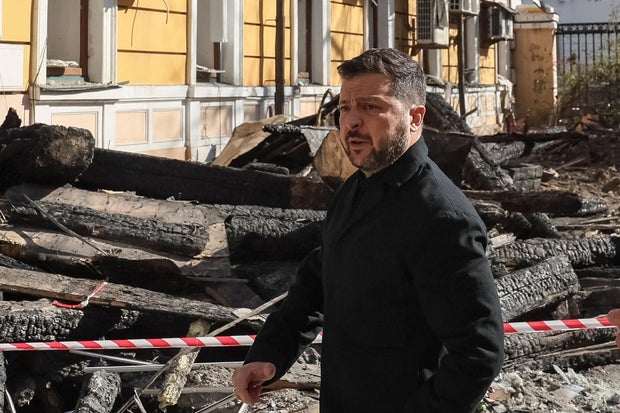
By October 12, 2026, Ukraine’s President Volodymyr Zelenskyy reported a lack of compliance by Russia with an energy ceasefire announced by President Trump. Following Trump’s announcement, Russia allegedly attacked multiple energy facilities in Ukraine. Zelenskyy expressed Ukraine’s readiness to uphold the ceasefire and urged Russia to reciprocate.
Trump, when questioned about Russia’s alleged violations, acknowledged potential breaches on both sides. He advocated for Zelenskyy and Putin to negotiate an end to the ongoing conflict. Despite previous attempts by Trump to broker deals halting strikes on energy infrastructure, these efforts have not been successful.
Past agreements yielded limited results. In January, Trump claimed Putin agreed not to target Ukrainian energy infrastructure, yet violations occurred shortly after. September’s proposal for mutual non-attacks also failed to halt hostilities, leading Zelenskyy to express skepticism about Russia’s intentions.
Russia’s continued attacks have severely impacted Ukraine’s energy grid. Ukrainian strikes on Russian energy targets, while damaging, have not led to Russia’s economic collapse. This imbalance is accentuated by Russia’s larger economy and military capabilities, allowing for more sustained pressure on Ukraine’s infrastructure.
Ukraine faces significant challenges, including power outages, exacerbated by Russia’s indiscriminate targeting of civilian and military energy infrastructure. The disproportionate impact on Ukraine stems from its comparatively smaller economy and the strategic significance of its energy grid.
In efforts to address global energy issues, Trump reached an agreement allowing Russian diesel sales to international markets, diverging from prior U.S. strategies to curtail Russia’s war financing. The administration’s pressure on Ukraine has included threats to halt intelligence sharing and weapon sales if Ukraine does not cease deep strikes on Russian energy infrastructure.
Ukraine relies heavily on intelligence for preemptive defense against missile attacks and on weapon purchases from the PURL procurement system for essential defense supplies. Both Ukrainian and European officials have emphasized the seriousness of these American threats.
Zelenskyy underscored the importance of U.S. pressure on Russia to facilitate progress towards an energy ceasefire. He asserted that America’s stance is crucial for successful de-escalation, urging more forceful measures against Russia.
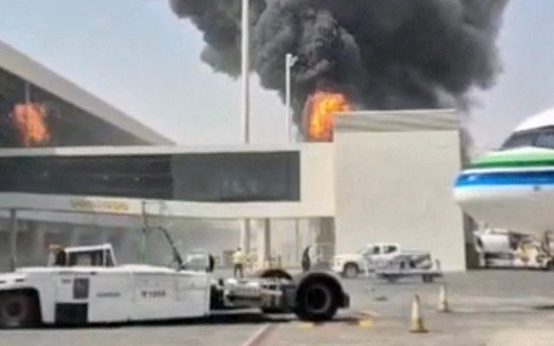 Houthi Strike in Saudi Arabia and TNA Wrestling Controversy
 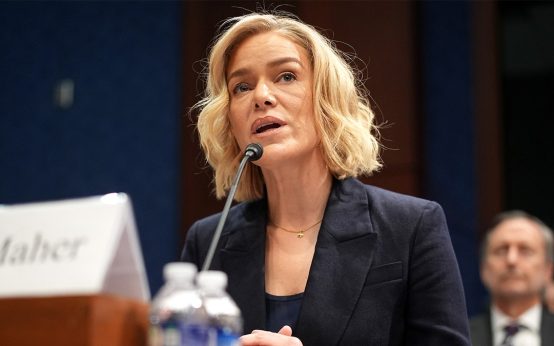 NPR CEO Katherine Maher Awarded First Amendment Recognition Amid Controversy
  Scrutiny on Abdul El-Sayed’s Alleged Ties to Muslim Brotherhood
  Trump’s Dispute with Zelensky Over Diesel Deals
  Montana Democrat Endorses Independent Candidate for Senate
  Trump Attributes High Energy Costs to Ukraine and Halts Russia Sanctions