Janet McCabe, once the U.S. Environmental Protection Agency’s deputy administrator under President Joe Biden, played a role in developing regulations for greenhouse gas emissions for power plants. Now she observes as President Donald Trump’s EPA dismantles these frameworks.
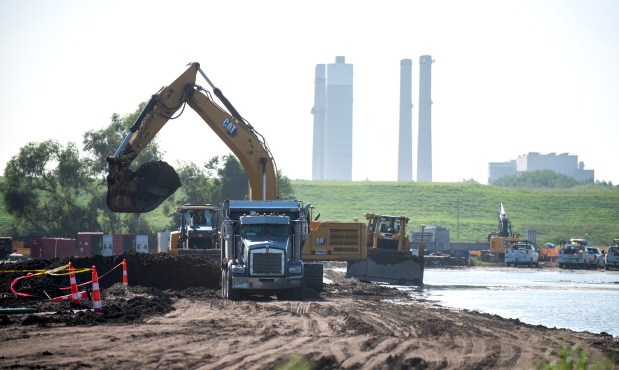
Construction progresses at a data center as NIPSCO’s R.M. Schahfer Generating Station towers loom in Wheatfield, Indiana. McCabe expressed concerns over the administration’s focus on undermining rules that safeguard public health. The repeal of Biden-era greenhouse gas requirements by EPA Administrator Lee Zeldin is in step with prior actions favoring industry interests. Hana Vizcarra from Earthjustice notes Trump’s preference for coal, despite its higher costs.
The EPA’s repeal could lead to increased climate impacts due to the power sector’s significant greenhouse gas emissions. The EPA argues this change will result in substantial financial savings. However, experts caution that prioritizing coal could raise utility bills and pollution.
Wind and solar offer cheaper alternatives, yet coal’s competitiveness relies on rolling back regulations. Olson from Citizens Action Coalition warns of higher bills and pollution if coal plants remain active, especially in areas already suffering environmental burdens.
Environmental protections are crucial, but deregulation undermines public health goals. McCabe worries about pollution impacts on Northwest Indiana communities. Ashley Williams, representing Just Transition Northwest Indiana, stresses the risk of deregulation amidst rising gas-fired power plants, particularly affecting Indiana due to state policy restrictions.
State Rep. Earl Harris highlights the disproportionate impact of deregulation on disadvantaged Hoosiers. A 2026 report found that coal plant proximity affects Black Americans more significantly. Federal court rulings may influence plant operations, such as NIPSCO’s R.M. Schahfer Generating Station.
The cost of maintaining operational coal plants amid emergency orders is a concern, with Midwest ratepayers potentially facing $1 million daily costs. Legal challenges have arisen regarding the DOE’s authority to keep plants running past scheduled closure dates.
Despite court rulings against emergency orders, utility companies face ongoing legal and regulatory struggles. State Rep. Randy Novak criticizes deregulation efforts for compromising environmental and public health standards. The DOE justifies emergency orders as necessary during extreme weather events.
The impact of these decisions on energy security and regulatory compliance continues to unfold. NIPSCO remains committed to customer service while adhering to regulations amidst legal developments.
 The Threat of Melting Glaciers: A Call to Action
  Collapse of Hawai’i’s Hōlei Sea Arch Amidst Storms
  Los Angeles Faces Uncommon Heatwave in October
  Drought Drives Black Bears Closer to Human Activity
  Atlantic Ends September Without a Hurricane for First Time Since 1994
  Bobcat Sightings and Conservation Efforts in Illinois