
U.S. diplomatic missions in the Middle East have issued fresh security warnings to Americans due to rising attacks by Iran-backed Houthi militants against Saudi Arabia. A recent attack on Riyadh’s international airport on October 10 resulted in an American citizen’s death.
On Sunday, U.S. embassies in Saudi Arabia, Bahrain, Qatar, the United Arab Emirates, and other countries alerted that hostilities could spread without notice beyond current conflict areas. These advisories urged Americans to stay vigilant and prepare for potential flight cancellations, airspace closures, and travel disruptions.
We are actively warning U.S. citizens about the very real threat the Houthis pose and urging them to heed official guidance,
said Edgar Vasquez, State Department’s deputy assistant secretary for press.
The State Department, prioritizing American citizens’ safety, issued these alerts as part of a proactive effort by the Trump administration. Diplomatic operations have faced restrictions following the U.S. and Israel’s conflict with Iran in February, which officials noted are temporary measures allowing embassies to adjust staffing as security shifts.
Under the no double standard policy, information about security threats must be shared with private American citizens when similar risks affect U.S. diplomatic personnel. These latest warnings coincide with surging Houthi missile and drone attacks in Saudi Arabia, targeting King Khalid International Airport and Saudi Aramco’s oil facilities.
Saudi authorities reported the October 10 airport attack killed 13 and injured over 300 people. Attack interceptions continued, including a ballistic missile targeting Riyadh and a drone near the capital intercepted by the Saudi-led coalition.
The intensifying attacks have brought the Trump administration’s conflict approach into question. While intelligence and targeting support is provided to Saudi Arabia, President Trump has not committed U.S. troops for direct military intervention. He has left the possibility of joining airstrikes open but hasn’t made a decision.
After the deadly airport attack, President Trump commented, We may. We’re going to look at it.
Meanwhile, Houthis have made significant territorial gains in Yemen. A Houthi attack killed two teenage girls in Taiz and a strike on a government military camp killed 73 recruits and wounded over 200.
Yemen’s ambassador to the foreign affairs minister, Marwan Ali Noman, emphasized the need to counter Houthi expansion. He shared Yemen’s intention to protect the region and pleaded for expanded U.S. and international support but declined requests for deploying Washington’s ground troops.
Competing demands for air defense weapons are challenging, as Secretary of State Marco Rubio, during his India visit, acknowledged the widespread need for missile interceptors among nations, including Saudi Arabia and Israel.
 Efforts to Release American Teacher Held by Russia
 Efforts to Release American Detained by Russia and Recent Political Developments
 Arrests Linked to Alleged Iranian Plot Against U.S. Bomber Base
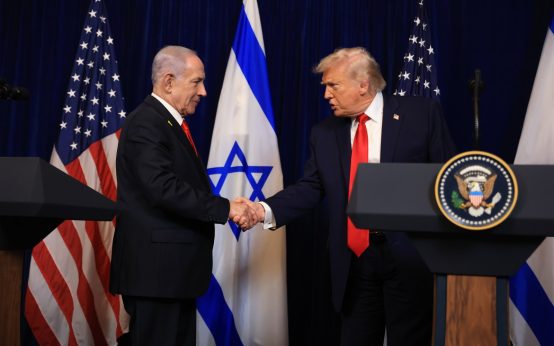 Trump’s Bold Endorsement of Netanyahu’s Political Future
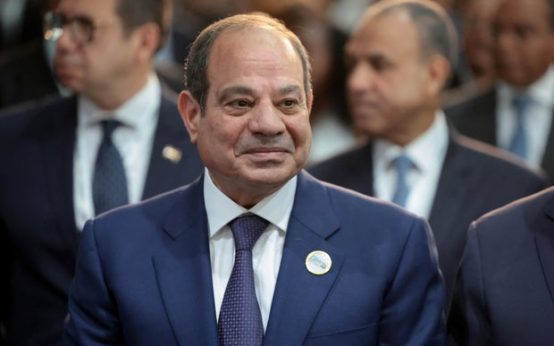 Egypt Mulls Military Support for Saudi Arabia Against Houthi Threats
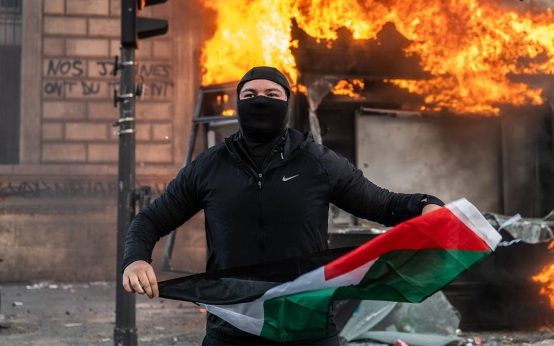 France Imposes Curfews Amid Widespread Riots