
Safety Concerns at Aerospace Facility
Authorities are actively seeking to resolve a critical situation involving a damaged tank at a Southern California aerospace facility. This tank contains methyl methacrylate, a hazardous chemical used in making plastic parts. An evacuation order was issued, affecting tens of thousands of residents.
The storage tank at GKN Aerospace holds approximately 6,000 to 7,000 gallons of the chemical. The tank recently overheated, releasing vapors into the air in Garden Grove, Orange County. Officials warn that the tank might leak completely or even explode if temperatures rise further. Firefighters are continually applying water to cool the chemicals and mitigate risks.
Potential Explosion Risk
There is no current leak or release of chemicals from the tank, and no injuries have been reported. Despite this, over 50,000 residents were subject to evacuation during Memorial Day weekend.
Danger of Methyl Methacrylate
Methyl methacrylate is a flammable and colorless liquid essential in producing resins, plastics, and plastic dentures. Classified as hazardous by federal standards, it can irritate the lungs, eyes, and skin. High doses may lead to reduced lung function, dizziness, and memory issues. Long-term exposure can result in serious respiratory conditions or unconsciousness. However, tests indicate air pollution levels in the evacuation zone are normal.
Complications with the Tank
The tank’s drainage valves are currently inoperable. Without intervention, a significant chemical spill or an explosion could occur. The focus remains on keeping the tank’s temperature below 85 degrees Fahrenheit to limit pressure build-up.
EPA Chief Lee Zeldin stated that a ‘low-volume release’ is the most probable scenario, allowing for monitoring and containment.
Impact of a Potential Explosion
If the temperature within the tank increases, the liquid methyl methacrylate could convert to gas, raising the explosion risk. Such an explosion might trigger neighboring tanks, dispersing harmful vapors over a larger area. Dr. Regina Chinsio-Kwong, Orange County’s health officer, highlighted the dangers of inhaling these vapors.
Aerial images from The Associated Press showed deserted streets, with several open evacuation shelters. The evacuation area lies west of Anaheim, near Disneyland. However, Disneyland is not part of the evacuation zone, and areas outside the zone face no immediate health risks.
Officials’ Next Steps
A crack identified in the tank could potentially reduce explosion risks. Orange County Fire Authority’s Capt. Wayhowe Huang reported no visible release of toxic chemicals. A special team was prepared for an ‘all-night mission’ to assess pressure relief, thereby decreasing explosion risks.
EPA’s Zeldin recommended a controlled, low-volume release to alleviate tank pressure. GKN Aerospace remains in coordination with local authorities to ensure safety.
 Atlantic Ends September Without a Hurricane for First Time Since 1994
  Bobcat Sightings and Conservation Efforts in Illinois
 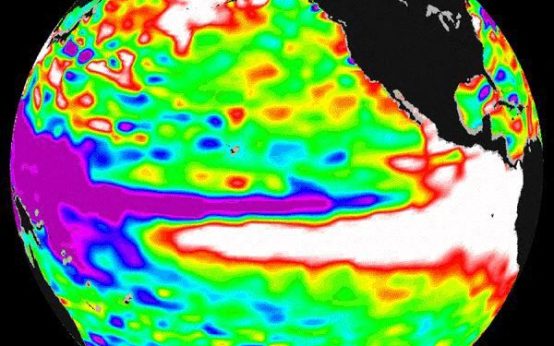 2026 El Niño: A Historical Comparison and Future Projections
  U.S. Records Warmest September in History
  Increased Funding Needed for Psychiatric Hospitals
  Higher Consumption of Ultra-Processed Foods Linked to Increased Health Risks