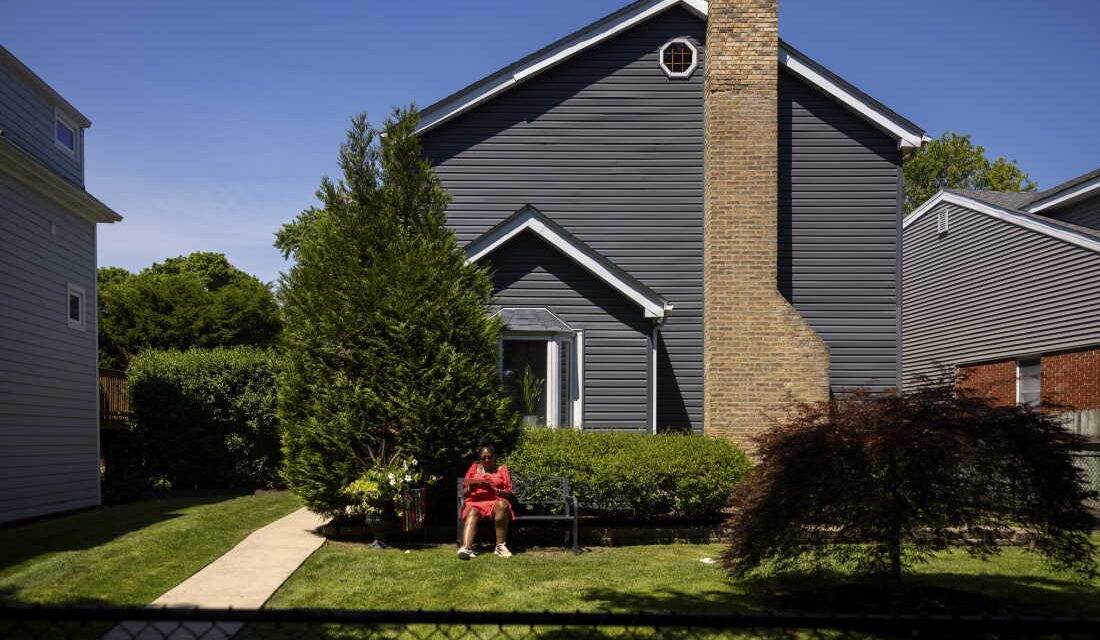
Kimberly Holmes-Ross was the first in her family to live outside Evanston, Illinois’ 5th Ward, an area historically open only to Black residents. She grew up there and later moved to the 2nd Ward. Her family uses reparations funds to create a basement apartment for her son.
In the 1960s, Allie Zemtseff experienced the racial discrimination her mother faced when seeking apartments in white neighborhoods. The Trump administration’s recent accusation of racial discrimination against Evanston’s program, which compensates Black residents for past segregation, surprised her. Evanston’s reparations program, the first in the U.S., apologizes to Black residents for historical exclusion and offers $25,000 each. Zemtseff used her grant for kitchen renovations.
Since 2021, the city awarded $25,000 to over 300 individuals, renewing interest in reparations for African Americans. The Trump administration aims to stop Evanston’s program through a lawsuit alleging racial discrimination as it only benefits Black residents. This reflects a broader effort to change government roles in addressing racial inequality.
Alvin Tillery, a Northwestern University professor, emphasizes the significance of Evanston’s case in civil rights. However, the Justice Department argues that Evanston’s approach violates the Constitution’s equal protection clause. Harmeet Dhillon of the Justice Department stated that distributing funds based on race is discriminatory.
The reparations idea emerged in 2019 when Robin Rue Simmons investigated the shrinking Black population in Evanston. A law from 1921 concentrated Black residents in one neighborhood and limited their financial growth. Rue Simmons promoted targeted redress, leading to the reparations initiative, using funds from city taxes.
The program requires Black applicants to prove residency between 1919 and 1969. Morris Robinson’s report linked segregation to city policies. The City Council acknowledged this harm and pledged significant funds for reparations.
Laurice Bell, who manages Shorefront Legacy Center, an archive for Evanston’s Black history, assisted residents in proving eligibility during the application period. Michael Bekesha, the attorney for the lawsuit, argues that the program’s criteria are flawed as they don’t require proof of individual discrimination.
Under Supreme Court precedent, race-based programs must address specific, documented discrimination. Evanston Mayor Daniel Biss contends that the city’s actions address historical wealth disparities caused by past discriminatory decisions.
Justin Hansford, a reparations expert, warns that the Trump administration’s challenge threatens the future of similar programs. To withstand legal scrutiny, programs should document specific historical discrimination clearly.
Kimberly Holmes-Ross’ family history in Evanston dates back to a migration in the early 1900s. The reparations application prompted her family to revisit their history and their home’s purchase under restrictive terms. Her son uses reparations to remodel the basement, allowing him to stay in Evanston.
City leaders commit to paying qualified applicants despite the legal challenges. Rue Simmons, now part of administering the program, encourages other cities to pursue reparations with caution, despite potential lawsuits.
 The Trump Team’s Challenge to the Military Leadership
  Maryland First State to Restrict Electronic Pricing in Grocery Stores
 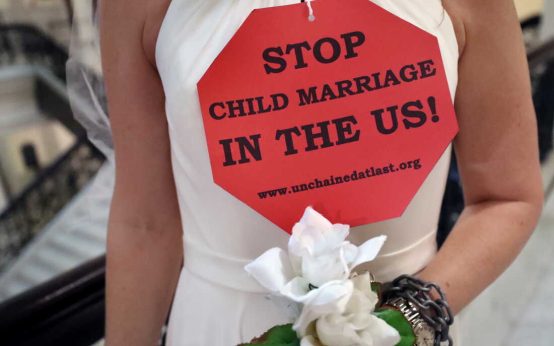 Activists Push for Nationwide Ban on Child Marriage in the U.S.
  Democratic Hopes and Historical Warnings in 2026 Senate Race
  Republicans Face Challenges Amidst Cost of Living Concerns
  A Different Kind of Fall for Congress This Year