For nearly 175 years, Northwestern University in Evanston, Illinois, has enjoyed an exemption from paying property taxes. This privilege stems from an 1851 charter granted by Illinois lawmakers. The charter remains a significant hurdle for Evanston officials, who seek additional revenue from the city’s largest employer.
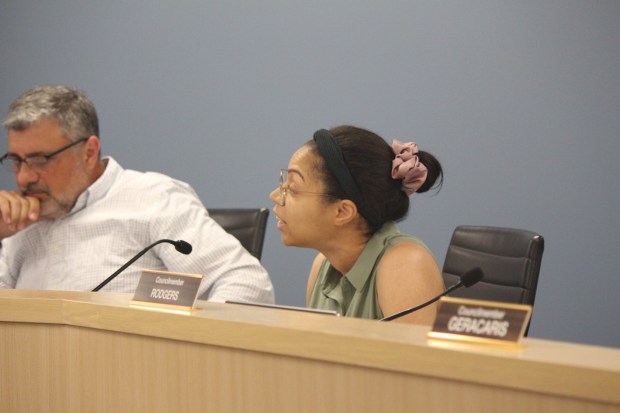
On July 27, the Evanston City Council faced this issue once again. Council members voted on whether to include an advisory referendum on the Nov. 3 election ballot. The referendum would have asked voters if tax-exempt entities like Northwestern should pay taxes when their property is used for commercial purposes unrelated to their nonprofit missions.
The proposal failed due to a 4-4 tie vote. Ald. Juan Geracaris abstained from voting because of his employment with the university, and Mayor Daniel Biss was absent, leaving the Council without the necessary vote to break the tie.
While Illinois law mandates real estate owners to pay taxes, some entities can apply for exemptions. Northwestern holds a corporate charter exemption from before the adoption of the Illinois Constitution in 1870. This legal advantage allows Northwestern’s property to remain tax-free. Only 80 private institutions hold such exemptions, Northwestern being one of the most prominent.
Despite its nonprofit status, Northwestern engages in several commercial activities on its property, operating a child care center, doctor’s office, and restaurant. These activities prompted some City Council members to argue that the university should pay what is known as Payments in Lieu of Taxes (PILOT).
“So many large nonprofits are paying property taxes in these situations,” said Ald. Parielle Davis, 7th.
Davis has led the initiative for Northwestern to make PILOT payments. The referendum intended to require such payments unless approved by a supermajority of the City Council.
Several Council members expressed concern that introducing such a referendum could lead to more challenges than solutions. Ald. Bobby Burns, 5th, said, “I don’t need a referendum for it,” and suggested discussing the issue instead.
Ald. Jonathan Nieuwsma, 4th, agreed a referendum might not solve the problem. He pointed out that any ordinance enforcing payment would have to be legally viable.
The council’s past dealings with Northwestern, such as granting zoning approval for the $875 million Ryan Field stadium, illustrate the complexities in balancing engagement and challenges.
Corporation Counsel Alex Ruggie mentioned that Northwestern’s charter has faced court challenges but each time upheld by both Illinois and U.S. Supreme Courts. “No other not-for-profit has anything like this,” Ruggie explained.
Several members questioned whether the Council could legally increase voting thresholds if Northwestern refused to pay taxes for commercial activities.
“Northwestern is the anomaly here, not the norm,” said Ald. Matt Rodgers, 8th.
Rodgers supported both a referendum and eventually an ordinance. However, the tie vote reflects the city’s cautious approach in dealing with its wealthiest institution.
Ald. Nieuwsma summed up the situation: “Evanston doesn’t like it… [The charter] has been a huge problem for Evanston, every year since 1851.” The Council recognizes potential legal battles with Northwestern could come at a financial cost.
 The Trump Team’s Challenge to the Military Leadership
  Maryland First State to Restrict Electronic Pricing in Grocery Stores
  Activists Push for Nationwide Ban on Child Marriage in the U.S.
  Democratic Hopes and Historical Warnings in 2026 Senate Race
  Republicans Face Challenges Amidst Cost of Living Concerns
  A Different Kind of Fall for Congress This Year