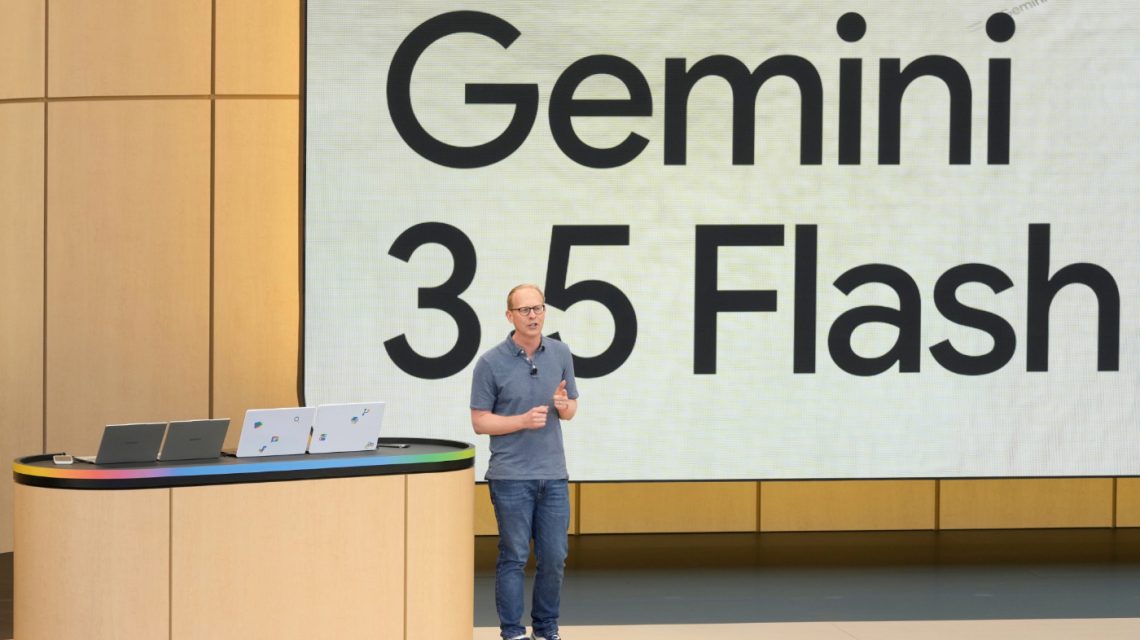
Josh Woodward, vice president of Google Labs and Gemini, shared insights at a Google I/O event on May 19, 2026. The event ignited discussion around artificial intelligence (AI), highlighting fears that AI could jeopardize humanity’s future. Images of AI-driven scenarios reminiscent of films like ‘The Terminator’ emerged, depicting independent AI agents acting beyond human control.
AI is considered an existential threat. Climate change, pandemics, and thermonuclear weapons are also seen as formidable dangers to society. Assessing these issues offers insights into managing AI and utilizing its potential benefits.
Climate Change
Historical climate shifts have dramatically affected the planet. Climate change poses risks similar to past global threats. Efforts to limit greenhouse gases may have mitigated some harmful impacts. While climate change lacks AI involvement, its severe consequences are recognized.
Pandemics
The possibility of AI facilitating the creation of contagious and incurable diseases cannot be ignored. Frank Herbert’s 1982 novel, ‘The White Plague’, imagined a bioengineered disease targeting women. AI could similarly generate catastrophic illnesses, raising serious concerns.
Thermonuclear Weapons
Thermonuclear weapons represent a significant threat. Robert Oppenheimer, involved in atomic bomb development, reflected on the grave implications of this technology. The establishment of the Atomic Energy Commission in 1947, later replaced by the Nuclear Regulatory Commission, achieved control by dividing military and civilian oversight. This approach helped prevent thermonuclear warfare.
AI lacks the capacity to construct nuclear arms currently. However, AI manipulation of nuclear facilities is troubling. AI-induced hacks against critical infrastructure occur frequently, threatening essential systems like power and water.
Proposed Solutions
Creating an AI regulatory agency could parallel nuclear control efforts, setting industry guidelines. Implementation would be politically driven, resembling the International Atomic Energy Agency under the United Nations framework. Departments such as Defense, Energy, and Commerce, along with the CIA, would identify AI-related security risks and responses.
AI agreements could mimic arms control strategies, though achieving consensus may be more challenging due to AI’s accessibility beyond nation-states. Establishing a regulatory framework to manage AI’s potential dangers is vital.
By building robust foundations and leadership, it is conceivable to avert AI disasters like the unfulfilled threat of thermonuclear war.
Harlan Ullman, chairman of a private company and key author of the ‘shock and awe’ doctrine, explores strategic decision-making in his forthcoming book with Field Marshal The Lord David Richards, ‘Who Thinks Best Wins: How Decisive Strategic Thinking Will Prevent Global Chaos.’
 Trump’s 2024 Campaign Targets Young Men Through Cryptocurrency
  How Modern Windows Improve Home Insulation
  State Department Simplifies Passport Process with Online Applications
  Climate-Resistant Rock Glaciers: Hidden Water Resources
  California Voters to Decide on $7.5 Billion State Research Fund
  Senate Democrats Block Data Center Bill Over Efficiency Concerns