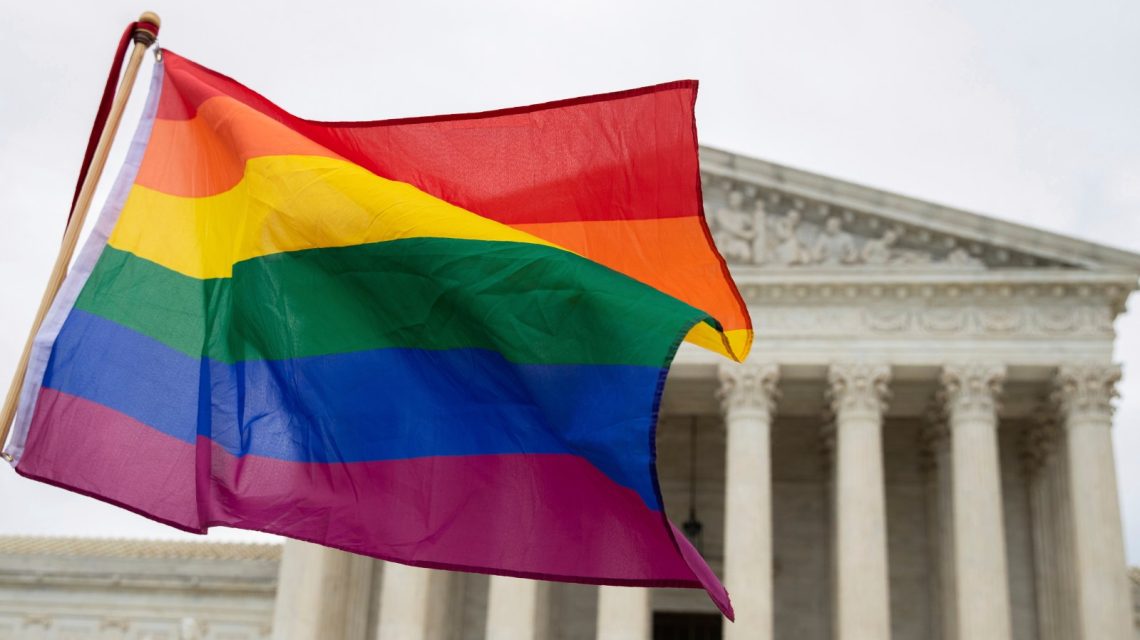
The Human Rights Campaign Foundation reports a record-high number of Americans identifying as LGBTQ+. Over 25 million adults, or 12% of the U.S. adult population, classify themselves as lesbian, gay, bisexual, transgender, or queer. This figure marks a significant increase in the community’s visibility and size nationwide.
A 2025 Gallup poll highlighted that 9% of U.S. adults identified as LGBTQ+. Current findings show a shift in public attitude toward LGBTQ+ issues. Support for same-sex marriage and the moral acceptance of homosexual relationships has decreased from early 2020s peaks. Opinions on transgender-related issues are now more polarized.
As the midterm elections approach, the growing LGBTQ+ population emerges as a key constituency. Their influence is crucial in closely contested races, potentially affecting Congressional control.
What the Data Shows
HRC states that approximately 12% of U.S. adults identify as LGBTQ+. Kelley Robinson, HRC President, remarked, “LGBTQ+ Americans are everywhere, with 25 million across the country. We’re not a niche constituency.” In nearly all states, over 10% of adults identify as LGBTQ+. States like Washington, Oregon, Colorado, California, and Alaska report higher percentages, with the District of Columbia at 22.6%.
California has the largest LGBTQ+ population with over 3.1 million adults, followed by Texas with about 2.2 million. Florida and New York both have populations exceeding 1.6 million. Among those identifying as LGBTQ+, around 65% cited being bisexual, 30% being lesbian or gay, and 5% as straight-identifying transgender or gender-expansive adults.
A majority of LGBTQ+ individuals, about 54%, are younger than 35. The community also shows diversity, with Hispanic adults constituting 18% compared to 13% in the non-LGBTQ+ population, and Black adults making up 9%.
How HRC Calculated the Numbers
The estimates derive from about 2.2 million responses gathered through the U.S. Census Bureau’s Household Pulse Survey between 2021 and 2024. HRC used this federal survey data to determine the proportion and number of LGBTQ+ adults in each state and metropolitan area.
The analysis is described as a comprehensive snapshot of the LGBTQ+ populace. Tari Hanneman, HRC Foundation Senior Director of Research and Education, affirmed, “Reliable data is crucial for understanding community needs.” There are concerns about the federal government removing sexual orientation and gender identity questions from surveys, which could hinder future population analysis.
Shifting Attitudes
Support for some LGBTQ+ issues has declined alongside political and cultural debates over transgender rights. State legislatures and local boards frequently discuss topics like transgender athletes and gender identity education. President Donald Trump emphasized binary gender identification, affecting policies for transgender people since January 2025.
Conflicts over books featuring LGBTQ+ themes and classroom discussions on orientation and gender identity remain divisive. As political focus on transgender rights grows and legislations unroll, perceptions of the community have been impacted. While equal rights for gay and lesbian Americans receive support, concerns persist regarding youth gender transitions and school policies.
Views on Same-Sex Marriage
Public support for some LGBTQ+ issues remains stronger than before the 2015 Supreme Court ruling on same-sex marriage. Gallup found 65% Americans support it today, down from 71% in 2022 and 2023, but up from 60% in 2015. Nationwide, only 62% view same-sex relationships as “morally acceptable,” a drop from 71% in 2022.
The Public Religion Research Institute (PRRI) survey painted a similar picture with 65% support for same-sex marriage, down from 69% in 2022. Previously, it was 53% in 2015. Republican support lags at 49% compared to 83% among Democrats and 69% among independents.
Support is lacking in Mississippi (47%) and Arkansas (50%), but strong in Massachusetts (85%), Rhode Island (85%), and Vermont (81%). The poll underscores the ongoing efforts by some Republicans to revisit or redefine same-sex marriage laws.
 President Trump’s Meeting with Baltimore Ravens Players
  AI Steps into Health Care with Medication Prescriptions in Utah
  Understanding the Rise in Stroke Risk Among Young Americans
  Lawsuit Challenges Trump Administration’s Immigration Policies
  Sen. John Curtis Calls for Hearings on Trump Jr. and Hunter Biden
  Challenging the Narrative of Mexican American Identity