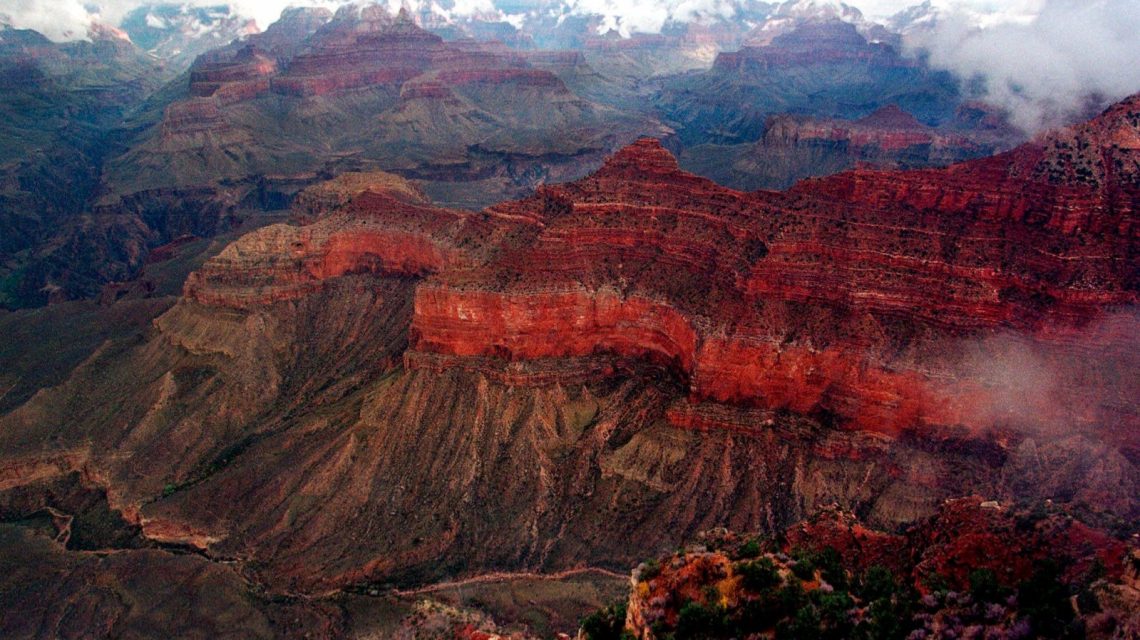
Visitors at Grand Canyon National Park are being notified about expected extreme temperatures set to occur early next week. The National Weather Service (NWS) has issued an extreme heat watch for midday Monday through Tuesday. Temperatures in lower elevations, such as Phantom Ranch, may reach or exceed 110 degrees Fahrenheit (43 degrees Celsius). This warning follows several heat-related incidents, including the deaths of three hikers.
The Significance of the Warning
The recent fatalities, linked to heat-related illness, are part of a spike in such incidents at the park. The National Park Service indicates that conditions in the inner canyon are far hotter than at the rim. Temperatures in lower elevations can be 20 to 25 degrees higher, posing greater risks during hikes.
Park officials strongly advise visitors to avoid hiking during the hottest times of day, emphasizing that the inner canyon’s heat can be deceptive.
Details of Recent Incidents
The first victim fell ill on June 12 on the South Kaibab Trail and died before rescue help arrived. Four days later, a 67-year-old man and a 68-year-old woman were found dead on the North Kaibab Trail, known for its difficulty. Despite prompt emergency responses, including aerial support, all three hikers were deceased by the time rescuers arrived. These cases are under investigation, with bodies taken to the Coconino County Medical Examiner’s Office.
Heat Risks in Canyon Descents
The extreme heat warning points to specific dangers in inner canyon hikes. Even shaded areas can reach over 109 degrees Fahrenheit. Initially cooler conditions during descent can lead to significant temperature increases deeper into the canyon, making return climbs strenuous under harsher heat.
Justin Johndrow, a meteorologist with the National Weather Service in Flagstaff, Arizona, highlighted that the region is nearing its hottest period before cooler monsoon conditions arrive.
Authorities urge caution and preparation, including avoiding hikes from 10 a.m. to 4 p.m., carrying sufficient water, and careful trip planning.
Broader Weather Concerns
The western United States is experiencing higher-than-average temperatures, raising concerns about wildfires due to the dry weather, high temperatures, and low humidity. Grand Canyon National Park remains a significant draw for millions of visitors annually, but extreme heat can swiftly become hazardous, even for skilled hikers.
“It’s just a hot place at the bottom of the Grand Canyon,” said Justin Johndrow.
Park officials stress caution during extreme heat conditions to prevent life-threatening situations.
Recognizing Heat-Related Illnesses
Visitors should be aware of symptoms of heat exhaustion and heat stroke, ensuring prompt actions if such symptoms arise.
This report includes details from the Associated Press.
 Swiss Glaciers Show Effects of Ice Loss Amid Global Warming
  Understanding Inflammation: Myths and Facts
  Climate-Resistant Rock Glaciers: Hidden Water Resources
  Senators Reach Bipartisan Agreement on Permitting Reform
  Experts Warn of Critical Period for the Colorado River
  Overcoming Weight Loss Challenges: Brain Health and GLP-1 Medications