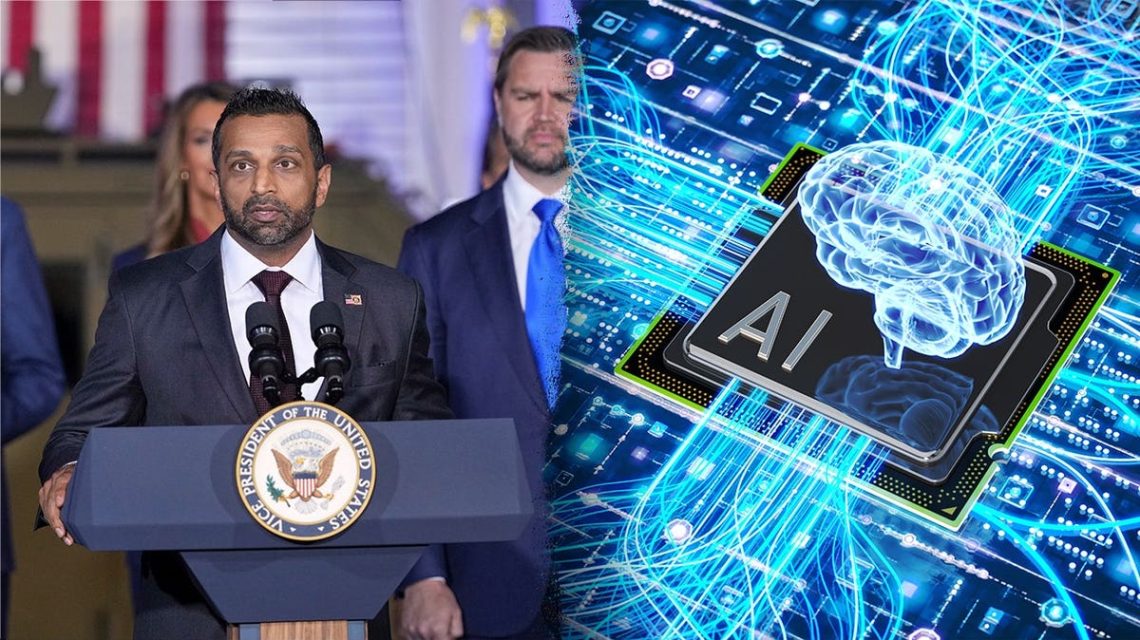
The Federal Bureau of Investigation (FBI) is enhancing its cybersecurity capabilities to effectively counter the misuse of artificial intelligence (AI) by countries such as China and Russia. FBI Director Kash Patel highlighted this effort as a significant modernization of the bureau’s systems, diverging from past practices that relied on temporary fixes.
Patel expressed that previous leadership frequently applied quick fixes to technological issues without addressing the root problems. As a result, the agency needed an extensive overhaul of its outdated technology to meet current challenges.
“Everybody that looks at the bureau thinks they must have the best tech and technology in the world,” Patel said. “We didn’t because prior leadership, all they did for decades was put a band-aid over a band-aid over a band-aid and never took the time to fix it.”
Patel explained that the FBI is utilizing AI not as a replacement, but as a tool to enhance human operations. This approach significantly improves response times to threats such as terrorist plots and school shootings. AI helps the agency quickly scan databases and process public tips efficiently.
“We get tips from our private sector partners and American citizens, and those tips come into our database now finally,” Patel noted. “Instead of an old game of telephone where 50 people have to call 50 people, and it takes three days to get us the information, it’s ingested immediately. It’s analyzed.”
Once analyzed, AI-generated leads are sent to relevant field offices, and the FBI headquarters in Washington, D.C. is alerted. Personnel are then deployed to address these issues.
Under Patel’s leadership, the agency expanded its use of AI from a few test cases to surpass 140 deployed use cases. Patel emphasized the permanence of AI at the FBI, highlighting a commitment to following legal guidelines and collaborating with private sector partners.
AI technology has been subject to recent scrutiny as legislators aim to regulate the growing industry. A summit at the White House, attended by numerous tech leaders, resulted in the signing of a voluntary accord focused on industry self-regulation.
Amid these developments, some tech companies face challenges. OpenAI, for instance, recently dismissed researchers for allegedly sharing confidential information with an AI safety organization.