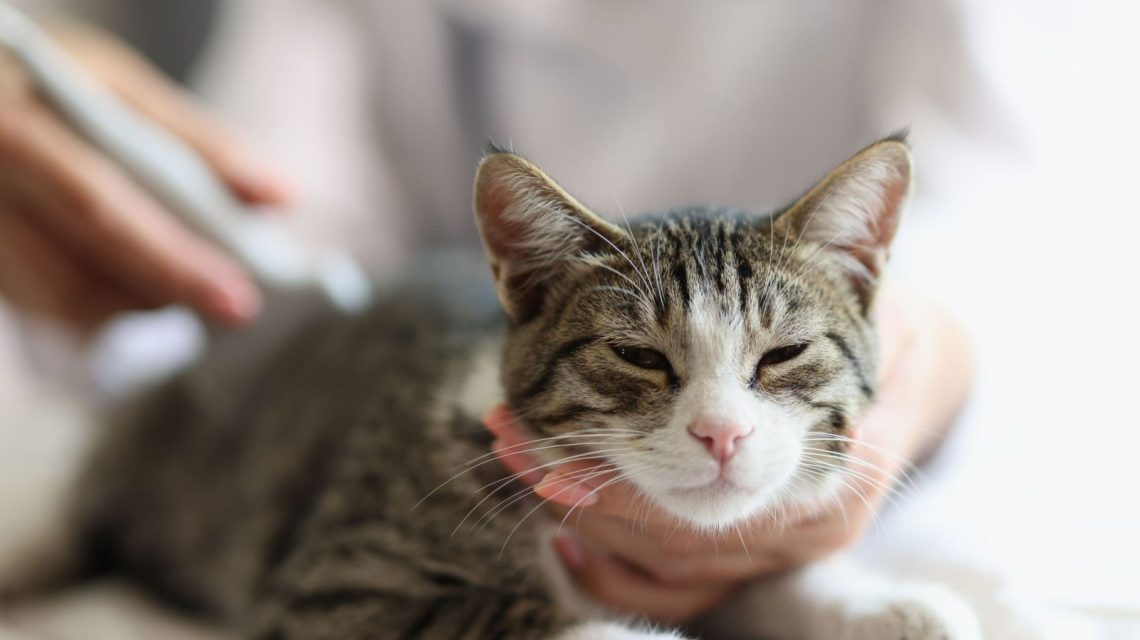
A recent report highlights the presence of heavy metals and other contaminants in popular U.S. cat foods. Industry representatives contest the findings, emphasizing the safety of their products.
Study Findings
The Clean Label Project, a nonprofit organization in Colorado, assessed 100 cat food products from 62 brands. They discovered lead in 99% of the samples, cadmium in 96%, and arsenic in 94%. Other detected substances included mercury, glyphosate, and plastic-related chemicals. The report noted that dry cat food contained significantly higher levels of lead compared to wet or air-dried foods. Fish and seafood-based formulas showed increased mercury and cadmium levels.
According to Clean Label Project, only three brands met their certification standards: BIXBI, Freshpet, and Smalls. The study’s findings have sparked criticism from industry groups and nutrition experts, who note limitations in the study’s methodology. The study relied on data from a single batch of each product, posing challenges to drawing broad conclusions about entire brands.
Industry Response
Elise Fennig, CEO of the Pet Food Institute, questioned the standards used in the report. She noted that the study was based on Clean Label Project’s proprietary standards rather than established scientific benchmarks. Fennig also pointed out that the report did not demonstrate harmful contaminant levels in the tested foods.
The Pet Food Institute expressed interest in the transparency of Clean Label Project’s certification process, calling for clarity regarding commercial relationships and peer review of the study. The organization highlighted that each product sample was tested from a single batch, limiting the study’s scope.
Molly Hamilton, Clean Label Project’s executive director, addressed common assumptions regarding premium and organic pet foods. She indicated higher costs and presumed healthier ingredients might not guarantee safer products.
Expert Opinions
Jennifer Larsen, a clinical nutrition professor at UC Davis, criticized the report’s lack of context regarding risk levels for cats. She described the report as “fearmongering” without adequate background on exposure safety. Larsen called for the Clean Label Project to make its data publicly available and submit it for peer review. She emphasized the need for more scientific oversight in pet food production.
Larsen also questioned the measurement of total mercury instead of the more relevant methylmercury form. She urged broader scientific inquiry into the potential risks of low-level contaminant exposures, while noting limited existing data.
Comparing Standards: U.S. vs. Europe
Cat food regulation differs between the U.S. and Europe. The European Union has more centralized and strict regulatory measures concerning ingredients and safety. In the U.S., the FDA oversees cat food standards, while the Association of American Feed Control Officials (AAFCO) sets nutritional guidelines and labeling rules. The EU suspended the use of ethoxyquin, a preservative found in some U.S. cat foods, in 2017.
 Early Detection of Atherosclerosis and Heart Disease Prevention
  Tennessee Prison Chief Resigns After Botched Execution
  White House Announces Medicare-Linked Payments for Seniors
  Church Attendance Linked to Increased Sexual Satisfaction for Married Couples
  Dining with Loved Ones May Benefit Blood Sugar Levels
  Urgent Need for Action in East Africa’s Food Crisis