
A federal judge in Boston ruled that the Trump administration cannot implement billions of dollars in funding cuts using an obscure clause related to agency priorities. This decision came after twenty-three states filed a lawsuit accusing the administration of exploiting the clause for cuts affecting crime prevention, food security, and scientific research. These states expressed concern that the clause might be used to cancel existing and future grants. U.S. District Judge Indira Talwani granted a summary judgment prohibiting the administration from using the clause for this purpose.
Judge Talwani stated, “Defendants’ interpretation of the Termination Clause is not clearly supported by the text of the provision, runs counter to the regulatory scheme, receives no support in the rulemaking history, and would violate the Spending Clause’s requirement that conditions be imposed unambiguously.” Talwani, appointed by President Obama, emphasized the lack of clarity in the administration’s interpretation.
The lawsuit claimed the Office of Management and Budget used the clause to justify a widespread reduction in funding. Initially introduced in 2020 and revised in 2024, the clause allows federal agencies to terminate a grant if it no longer aligns with program goals or agency priorities. States argued this language, implemented during the Biden administration, was being used for the first time to cancel grants.
“Instead of working with us to keep the public safe and lower costs for hardworking New Jerseyans, the Trump Administration has recklessly and illegally gutted federal funding for public safety, disaster preparedness, scientific research, clean water, and more,” New Jersey Attorney General Jennifer Davenport stated. She added that the judgment confirms the Trump Administration’s violation of the law in its campaign to cut critical federal funding.
The federal lawyers described the case as “extraordinarily unusual” and argued for dismissal, noting some grants had already been terminated. They claimed the states’ argument regarding future grants was speculative. Additionally, they accused the states of making broad objections without seeking relief to restore any specific grant. They argued, “That mismatch between the allegedly unlawful agency ‘decision’ on one hand, and the amorphous relief requested in this suit, on the other, creates a set of jurisdiction and justiciability defects that doom this lawsuit at the threshold.”
A spokesperson for the Office of Management and Budget did not respond to requests for comment.
 The Trump Team’s Challenge to the Military Leadership
  Maryland First State to Restrict Electronic Pricing in Grocery Stores
 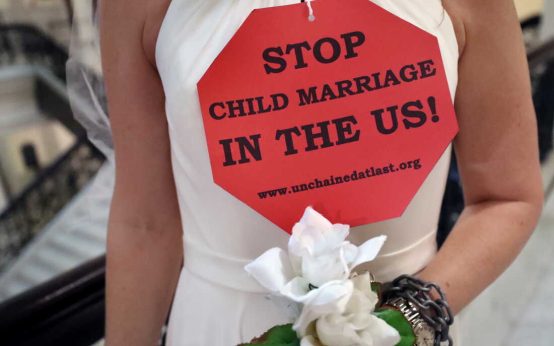 Activists Push for Nationwide Ban on Child Marriage in the U.S.
  Democratic Hopes and Historical Warnings in 2026 Senate Race
  Republicans Face Challenges Amidst Cost of Living Concerns
  A Different Kind of Fall for Congress This Year