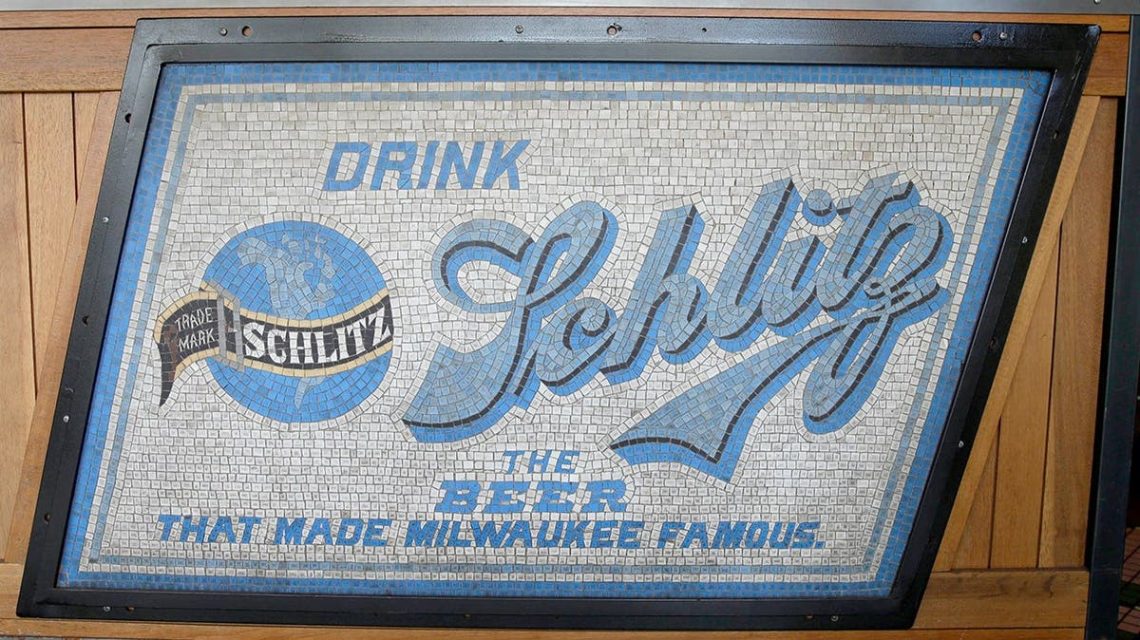
The iconic Schlitz beer is approaching the end of its production after 177 years, with the last batch to be brewed on May 23. Founded in 1849, Schlitz became a staple in American households and earned the slogan “the beer that made Milwaukee famous.” Its rise began post-Great Chicago Fire in 1871 and continued through the mid-20th century.
Changes to Schlitz’s formula marked the start of its decline. A cost-saving measure, referred to as “the Schlitz mistake,” altered its taste, leading to negative reactions. Online users expressed sadness over the brand’s end, reminiscing about its unique taste from better days.
“Original formula was decent. Then it became swill,” wrote a user on social media.
Competition from larger beer corporations like Budweiser and Miller drove Schlitz’s sales downward in the 1970s. Pabst Brewing Company acquired Schlitz in 1999, but the brand continued to struggle.
Schlitz fans shared memories online. Some recalled family members who kept bottles ready in refrigerators, while others reminisced about fraternity days filled with Schlitz malt liquor.
Pabst’s head of brand strategy, Zac Nadile, mentioned increased storage and shipping costs as reasons for retiring Schlitz. The beer industry faces challenges as consumer drinking habits evolve. David Henkes of consultancy firm Technomic noted a decline in beer sales, which have fallen to a 37-year low.
Barriers like the rise of specialty beverages such as mocktails contribute to the shrinking beer market, according to Henkes. Although Schlitz struggled in quality perception since the 1970s, it maintains nostalgic value among loyal consumers.
To honor Schlitz, Pabst has allowed Wisconsin Brewing Company to brew the final batch using the 1948 recipe. WBC brewmaster Kirby Nelson emphasized the dignity and respect given to Schlitz’s farewell. Pre-sales for the last Schlitz begin on May 23.
Schlitz experienced decline due to quality issues and changing consumer preferences, leaving a legacy that faded in recent decades. Despite its struggle, the brand remains part of brewing history.