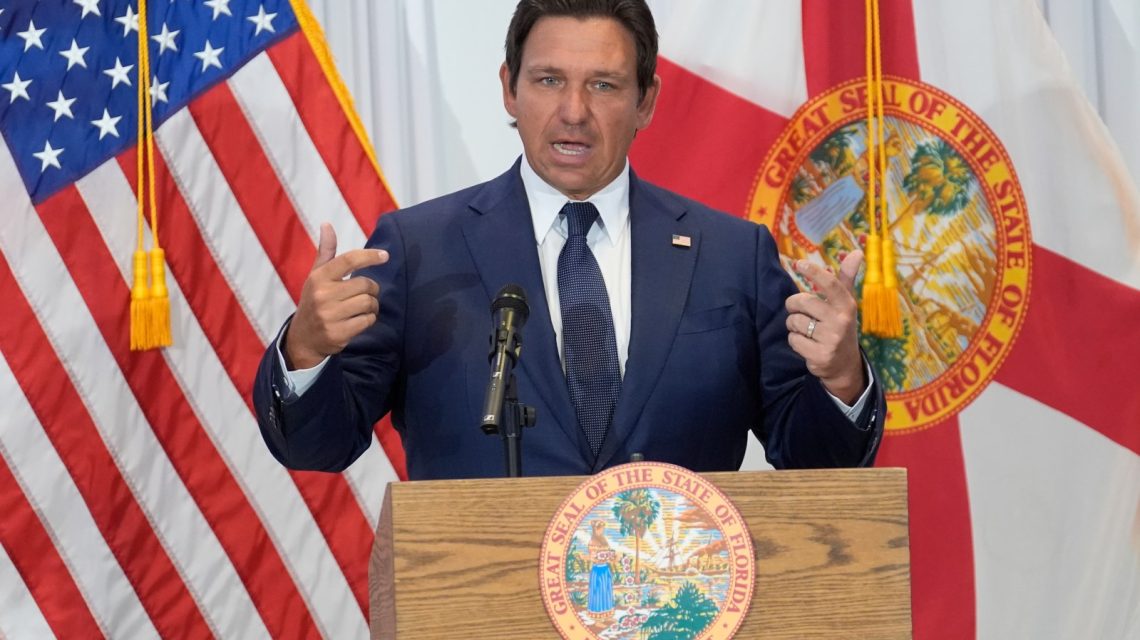
Florida Governor Ron DeSantis is a prominent critic of AI data centers due to their energy demands. He insists residential utility customers shouldn’t subsidize these centers. In May, he signed a law directing state regulators to keep AI data center costs off residential electricity bills. This makes Florida a pioneer in protecting consumers from the power grid strain caused by data centers.
DeSantis emphasized that Floridians shouldn’t support wealthy corporations financially. Despite this opposition, his administration provides tax incentives to lure tech companies to Florida. This reveals the complex task for state leaders: embracing high-tech economic growth without overburdening taxpayers.
You should not, as a hard-working Floridian, have to subsidize some of the wealthiest companies in the history of humanity.
Under Senate Bill 484, AI data centers must pay all utility service costs. The law stops utility providers from shifting electricity costs to residential customers. It reinforces municipal control over zoning and land use, allowing local standards or project refusals.
The bill faced criticism and was altered by lawmakers, removing a clause against nondisclosure agreements with AI developers. Nevertheless, Florida seeks to attract tech infrastructure. Since July 2017, a tax exemption has been available, removing taxes on data center property and consumption. Originally ending in 2022, it’s been extended to 2025.
Florida adjusted the incentives, requiring projects to invest $150 million and support a higher IT load. This shifts focus to larger facilities. The revised exemption, valid until 2037, covers equipment and construction materials for data centers.
State Representative Wyman Duggan, supporting this amendment, confirmed the governor’s approval. DeSantis’s budget proposal indicates he wants to make this tax break permanent. The revenue data shows three companies using the exemption since 2017. A spokesperson for Iron Mountain claims the tax break boosts local investment and isn’t funded by taxpayers.
Iron Mountain and our customers pay significant property tax to Miami-Dade County, which determines how this tax income directly benefits the local community through schools, roads, and other County infrastructure.
DeSantis’s successor will determine Florida’s future tech-energy policies. Representative Byron Donalds, a Republican governor hopeful, co-sponsored the initial tax exemption. His spokesperson pledges consumer protection, ensuring tech firms provide power for data centers without straining taxpayers.
The public skepticism about AI data centers is evident, with 70 percent of Americans against such construction, according to a Gallup survey. In Florida, regulations echo public concern. Polling by Sachs Media reveals nearly 90 percent voter support for DeSantis’s utility-protection law.
Local authorities are reacting to tensions. Over a dozen Florida cities and counties have temporarily halted large data center approvals, citing concerns about water supply, grid capacity, and environmental effects.
Contact Newsweek editors for this story: Ben Kelly and Anthony Murray.
 Trump’s 2024 Campaign Targets Young Men Through Cryptocurrency
  How Modern Windows Improve Home Insulation
  State Department Simplifies Passport Process with Online Applications
  Senate Democrats Block Data Center Bill Over Efficiency Concerns
  Future Cities: Ambitious Projects Aiming for Innovation and Sustainability
  High-Profile Hearing and AI Developments: Key Political Moves