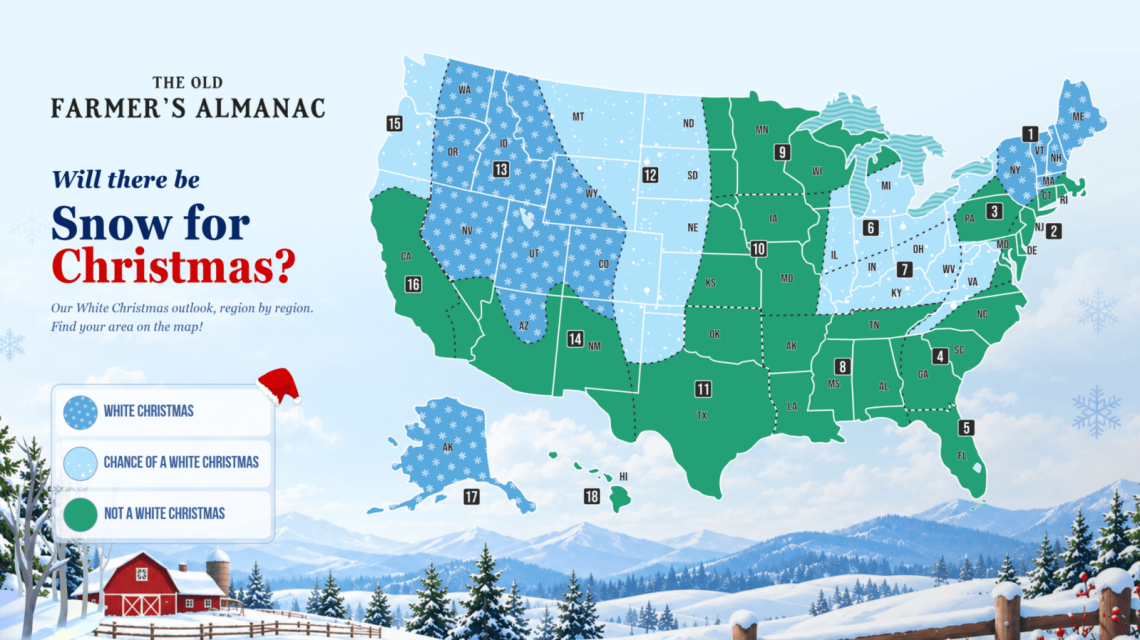
Americans dreaming of snow on Christmas morning may find their best prospects in specific regions, as indicated by a recent forecast from The Old Farmer’s Almanac. The publication anticipates a white Christmas will occur in the Northeast, the Intermountain region, and Alaska in 2026. Moreover, regions such as the Pacific Northwest, High Plains, Lower Lakes, and Ohio Valley possess a ‘chance of a white Christmas.’
The forecast is less favorable across much of the southern and central United States. Areas including the Atlantic Corridor, Southeast, Florida, Deep South, Upper Midwest, Heartland, Texas-Oklahoma, Desert Southwest, and the Pacific Southwest are not expected to experience a white Christmas. Hawaii is also anticipated to be snow-free during the holiday.
In the Appalachian region, predictions vary. The northern areas are not projected to have a white Christmas, while the southern part may have a chance.
Understanding a White Christmas
A ‘white Christmas’ does not necessitate snowfall on December 25. According to the National Weather Service (NWS), a white Christmas is officially defined by having at least 1 inch of snow on the ground at 7 am local time on Christmas Day. Snowfall occurring earlier can still result in a white Christmas if at least one inch remains by Christmas morning.
Reasons for Variability in Christmas Snowfall
The regions with the best prospects for a white Christmas often align with areas forecasted by the Almanac to receive ‘above normal’ snowfall this winter. This includes parts of the Northeast, Appalachians, certain western U.S. regions such as the Intermountain area, and Alaska.
In the Northeast, the southern part is expected to get above-normal snowfall around mid and late December. This timing may allow snow to accumulate and linger until Christmas Day, meeting the criteria for a white Christmas. The northern part, however, is anticipated to have below-normal snowfall for the winter, reducing its chances.
The Intermountain region and Pacific Northwest could experience more snow than usual, increasing their likelihood of a white Christmas. Although the Almanac offers the Pacific Northwest only a ‘chance’ rather than a firm prediction.
Carol Connare, editor-in-chief of The Old Farmer’s Almanac, notes that winter conditions will differ across the country, with some areas expecting a milder season while others see abundant cold and snow.
The Old Farmer’s Almanac
The Old Farmer’s Almanac has a history of long-range weather predictions dating back to its founding in 1792. Initially serving as a tool for farmers and gardeners, its forecasts utilize solar science, climatology, and meteorology. Historical weather patterns, current solar activity, and climate data are considered for forecasts.
The National Weather Service’s Climate Prediction Center provides official U.S. climate outlooks, including eight-to-14-day, monthly and seasonal predictions. These outlooks offer probabilities for temperatures and precipitation levels.
The Almanac’s white Christmas prediction provides an early gauge of potential snow presence on December 25 rather than fixed weather conditions for Christmas morning. As the holiday nears, short-term forecasts will offer a detailed view of expected conditions.
Historical Snowfall Data
Historical data from the National Oceanic and Atmospheric Administration (NOAA) highlights regions like Minnesota, Maine, upstate New York, Idaho, and various mountain areas as locations with a higher likelihood of snow on Christmas. Alaska regularly experiences a white Christmas unlike many continental U.S. regions.
Experts caution that historical probabilities are only indicative, with actual snow cover differing yearly as it depends on pre-Christmas weather patterns. Similarly, the Almanac states that long-range forecasts present broad trends rather than daily predictions months ahead, meaning the current outlook can alter significantly as December draws near.
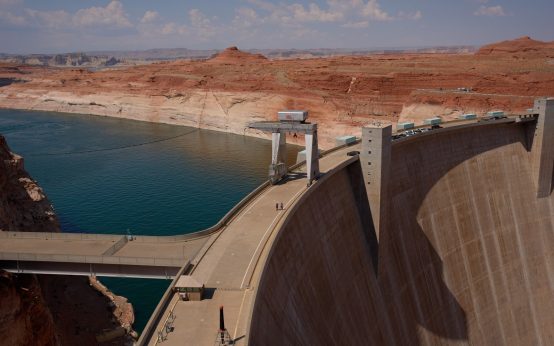 Record Low Hydropower Output in the Southwest
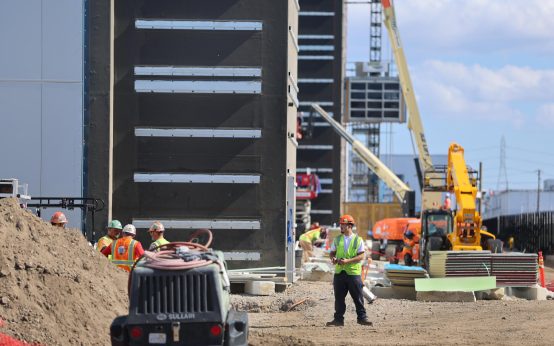 Data Centers Face Challenges in Vernon, Los Angeles
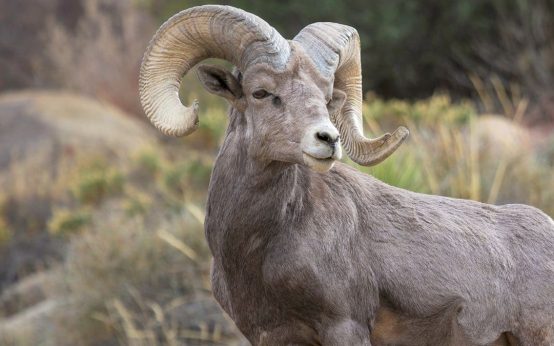 Rams Captured Relaxing in Residential Area
 Global Climate Finance and the Developing World: A Turning Point
 Hidden Plastics in Everyday Items
 The Final Journey of the SS United States