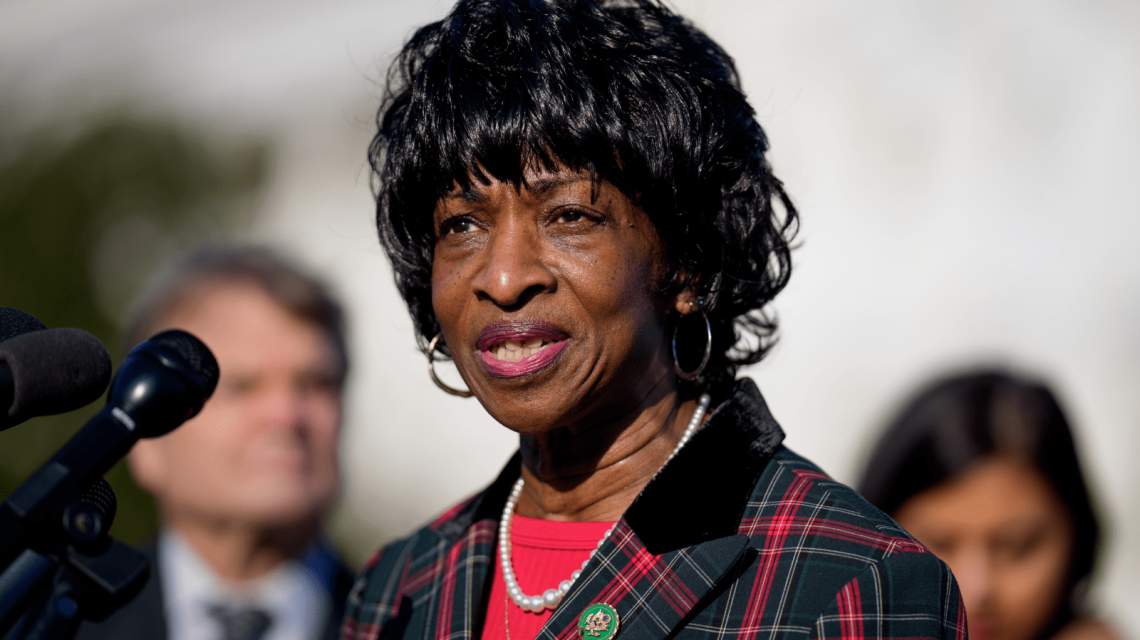
Representative Valerie Foushee, a Democrat from North Carolina, has introduced a new bill aiming to provide financial relief to households affected by tariffs. The proposed legislation offers refundable tariff rebates up to $4,000 for eligible married couples, with additional payments for each dependent. This initiative comes amid ongoing discussions about the effects of former President Donald Trump’s tariff policies on household expenses and whether direct financial support should be accorded to Americans.
Background on Tariff Impacts
Since Trump resumed office in January 2025, he has increased tariffs on multiple imports, sparking political and economic debates. Proponents of tariffs claim they spur domestic investment, while detractors argue that these costs are shifted to consumers through elevated prices. Supporters of rebate measures cite these consumer costs as a key reason for offering direct relief to families.
Details of the American Tariff Rebate Act
On September 17, Foushee introduced the American Tariff Rebate Act. The bill proposes amending the Internal Revenue Code to implement a refundable tax credit for the 2026 tax year. Single filers would qualify for a $2,000 credit, while married couples filing jointly would receive $4,000. Additionally, families would get an extra $600 for each qualifying dependent. The refundable nature means that even those with minimal or no federal income tax obligations could benefit.
Foushee emphasized the aim of the bill as putting money back into middle-class families’ hands amid rising living costs. On September 18, she posted on X, explaining her goal to help cover tariff costs for middle- and lower-income households.
Eligibility Criteria for the Tax Credit
The legislation targets lower- and middle-income households, featuring income limits where the credit phases out. The limits are:
- $75,000 for single filers
- $112,500 for heads of household
- $150,000 for married couples filing jointly
Nonresident aliens, estates, trusts, and individuals claimed as dependents by another taxpayer do not qualify. The bill allows for advance payments during 2026, providing funds before tax returns are filed.
Supporters’ Argument for Rebate Need
Foushee’s office referenced data from the Joint Economic Committee Minority, noting that American families faced over $231 billion in tariff-related costs between February 2025 and January 2026, averaging $1,745 per household. While businesses have received some tariff-related refunds through court decisions, families have yet to receive similar relief.
Historical Context and Legislative Challenges
The idea of redistributing tariff revenue to Americans is not entirely novel. Trump proposed a “tariff dividend” in late 2025, suggesting returning some tariff revenue to lower and middle-income Americans. However, no federal rebate program has been enacted as it requires congressional approval.
In a related development, Representative Henry Cuellar introduced a separate proposal earlier in 2026 to counter the increased consumer costs associated with tariffs, providing direct payments to taxpayers.
Prospects for the Bill
The bill currently faces hurdles in its path to enactment. It was referred to the House Ways and Means Committee for further consideration but remains in the introductory phase. Proposals involving substantial federal spending often encounter significant challenges, particularly in a politically divided environment. For now, these rebates are proposals and not a surety, with the legislation lacking approved checks or tax credits.
 The Trump Team’s Challenge to the Military Leadership
  Maryland First State to Restrict Electronic Pricing in Grocery Stores
  Activists Push for Nationwide Ban on Child Marriage in the U.S.
  Democratic Hopes and Historical Warnings in 2026 Senate Race
  Republicans Face Challenges Amidst Cost of Living Concerns
  A Different Kind of Fall for Congress This Year