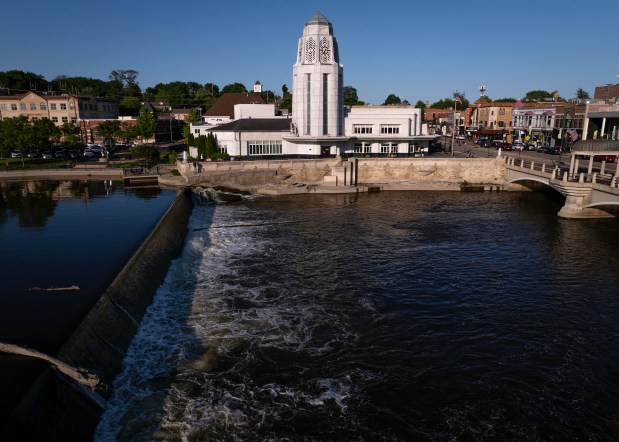
Brian Pohrte, a St. Charles resident, took up kayaking after the COVID-19 pandemic, appreciating the Fox River’s availability. ‘We’ve got the Fox River right there,’ said Pohrte, 42. He soon joined the St. Charles Canoe Club, which focuses on fitness through paddle sports, and became a frequent visitor to the river.
The Fox River has been under examination for potential dam removal due to benefits like public safety and improved water quality. These suggestions, however, face opposition due to potential impacts on recreation, property, and local communities.
History of the Fox River Dams
The dams along the Fox River, built in the 1800s for mills, are now under scrutiny, especially after incidents of drowning in their dangerous waters. The Illinois Department of Natural Resources (IDNR) has already removed several dams, with a focus on public safety and environmental benefits. The U.S. Army Corps of Engineers examined dam removal on the Fox to improve water quality but faced backlash over recreational concerns.
Federal Study and Local Response
The federal review of the dams, paused for further study, has delayed decisions. With $16 million estimated for removal, local residents and officials await further results. Communities such as Batavia explore options, faced with the responsibility of ownership and maintenance.
- The city of Geneva remains in the Corps’ study to not close off information access.
- St. Charles plans to keep the dam’s impoundment, focusing on local development and recreation.
- Batavia awaits further study outcomes but prepares for potential removal.
Local involvement is critical as the Fox River Study Group and Friends of the Fox River continue to assess potential ecological impacts and educate the public.
Recreational Considerations
Recreational activities, like kayaking, face modifications if water levels decrease. While dam removal could enhance water quality and habitat, some paddlers like Pohrte emphasize the existing benefits of deeper waters.
Discussions around the dams will continue as municipalities, residents, and advocacy groups work to determine the best course of action. The conclusion of federal studies and local decisions will play a significant role in shaping the river’s future.
 Swiss Glaciers Show Effects of Ice Loss Amid Global Warming
  Climate-Resistant Rock Glaciers: Hidden Water Resources
  Senators Reach Bipartisan Agreement on Permitting Reform
  Experts Warn of Critical Period for the Colorado River
  Future Cities: Ambitious Projects Aiming for Innovation and Sustainability
  Supreme Court Case Suncor vs. Boulder: Implications for Accountability in Climate Change