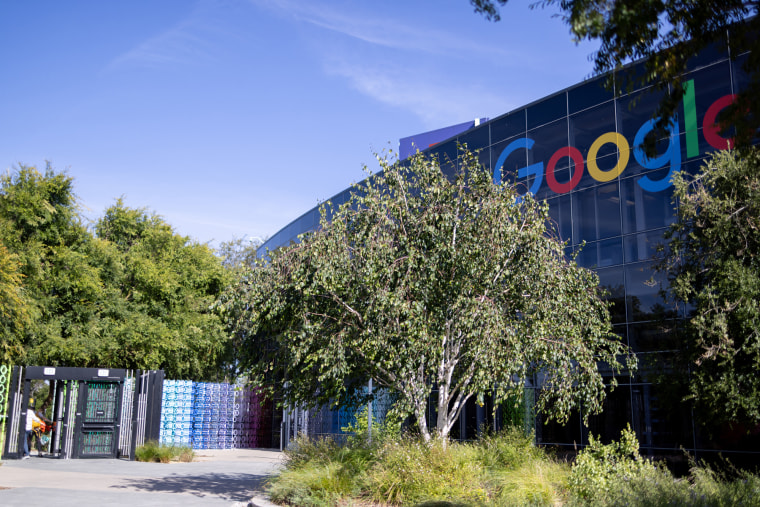
On June 9, 2026, a gathering at Google’s Mountain View campus brought together K-12 educators to discuss integrating artificial intelligence in schools. They imagined potential opposition from colleagues, like a veteran English teacher questioning AI as another fleeting tech trend. To address these concerns, educators consulted Gemini, Google’s AI assistant, for strategic advice on promoting AI.
The training event attracted seventy teachers and technology directors with a keen interest in Google’s educational tech products. This free, two-day program was part of Google’s ongoing effort to promote AI in education. It emphasized responding to resistance by highlighting the benefits of AI tools like Gemini and NotebookLM in addressing common teaching challenges.
The increased public scrutiny of AI in education was acknowledged during the training. Recent calls for stricter AI regulations, voiced by figures such as Pope Leo XIV and educational bodies, exemplified growing concerns. However, AI continues to expand its role in classrooms, with certain states mandating AI instruction and universities investing in AI tools for students.
Jennie Magiera, Google’s Global Head of Education Impact, expressed a commitment to training teachers on utilizing AI effectively. Her goal is to enable educators to ‘harness the power’ of AI for educational purposes, making tasks like grading and lesson planning more efficient.
Karen Compton, a middle school English teacher from Hawaii, noted the rapid integration of AI in her classroom. She emphasized the importance of educating students about AI, reflecting on how students already label seemingly unreal items as ‘AI.’
Google’s recent rollout of free online AI training modules for educators aims to help in developing study guides and lesson plans. The materials position Gemini as a tool to handle the demanding aspects of lesson creation, encouraging educators to act as ‘learning conductors.’
At the training, Joseph South, ISTE+ASCD’s Chief Innovation Officer, underscored the necessity of embracing AI in education. He rejected avoidance or exclusion as viable options for preparing students for the future.
Google’s long-standing initiative to integrate its products in schools has also focused on AI’s potential. According to court documents, Google has seen education as a ‘pipeline of future users,’ with AI identified as a leading trend capable of reshaping education.
During the training, Winston Roberts of ISTE+ASCD provided methods for presenting AI effectively to colleagues. Magiera highlighted how AI can assist educators in developing new teaching methods and achieving goals previously thought unattainable.
Training speakers emphasized that while AI could be a valuable tool, human oversight is necessary. AI should complement, not replace, teachers. Examples included using AI for generating creative educational materials like comic strips explaining scientific concepts.
Casey Cuny, an English teacher from Los Angeles, discussed his use of AI to enrich classroom discussions. Engaging students in debates with the AI before class improved their discourse quality significantly.
Despite potential resistance, educators trained at Google felt prepared to advocate for AI in learning. They recognized the likelihood of facing parental opposition but were optimistic about AI’s role in enhancing education rather than detracting from it, as Mike Amante from New York pointed out.
 Former Cornell Instructor Discusses Sexual Harassment Allegations
  Keurig Dr Pepper Launches Compostable Coffee Pods to Reduce Waste
  Cornell University’s Sexual Assault Allegations Spark Legal Battles and Investigations
  Minneapolis Council Member Faces Criticism Over Autonomous Vehicle Concerns
  Washington’s Reaction to Trump’s AI Self-Regulation Accord and Technology Updates from The Hill
  Larkin High School Unveils First Outdoor Sports Stadium