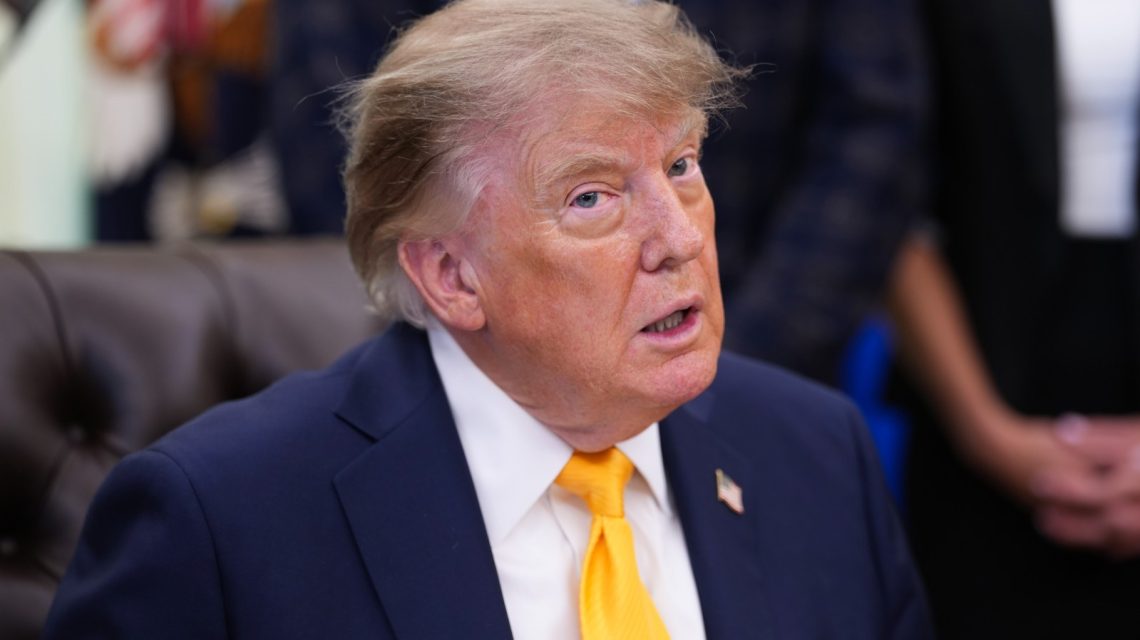
A recent poll highlights increasing pessimism about the U.S. economy during Donald Trump’s tenure. Concerns about affordability and the effects of the Iran war are contributing factors. The Financial Times and Focaldata published their latest findings on Sunday.
According to the poll, only 33 percent of registered voters approve of Trump’s performance. This marks a three-point decline from the previous month. It is the lowest approval rating since the poll series began in May.
Economic Sentiment Sinking
Approximately 66 percent of the 2,178 adults surveyed believe the U.S. economy is on the wrong track. This is the highest level reported in this poll. Trump’s approval on ‘inflation and the cost of living’ has hit a record low of 17 percent. Disapproval for his handling of these issues is at 69 percent. Support for his economic approach has dropped to 26 percent.
Only 18 percent of Americans feel better off financially compared to last January. This is down from 32 percent when the question was first posed in May. Meanwhile, 57 percent feel financially worse off now, an increase from 36 percent.
Confidence in the economy is deteriorating. Among Trump voters, only 44 percent believe the economy is on the right track, down from 55 percent in May. Even among ‘strong’ Republicans, a narrow majority of 52 percent think the economy is heading in the right direction, compared to 65 percent previously. Disapproval is high at 32 percent.
Midterm Election Concerns
The poll results pose challenges for the administration as economic issues become pivotal ahead of elections. A Harris Poll revealed that 95 percent of Americans see an affordability crisis, worsened by rising costs of groceries and fuel.
Fuel prices remain high due to a bottleneck in the Strait of Hormuz corridor. Diesel prices hit an all-time high, nearing $6 per gallon.
Polling by FT and Focaldata suggests Democrats are gaining trust in economic management. They lead Republicans 44 percent to 38 percent.
The issues at the forefront for voters are inflation and the cost of living, selected by 43 percent, and the economy and jobs by 31 percent. War and immigration follow at 20 percent and 16 percent, respectively.
A White House spokesperson acknowledged the ‘temporary disruptions’ from the war. The administration remains committed to its economic agenda, citing strong job growth figures from the Bureau of Labor Statistics.
Matt Klink, a political consultant, emphasized that economic skepticism threatens the governing party. He highlighted that working-class and independent voters could turn the midterms into a referendum on affordability, posing a significant challenge for Republicans.
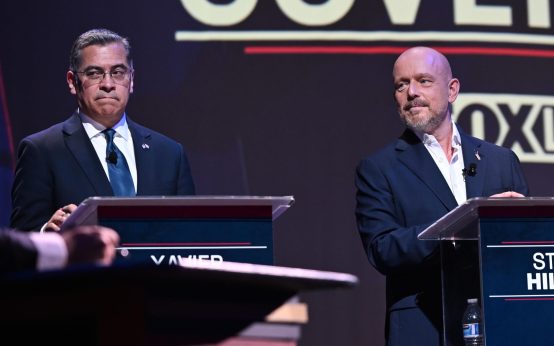 Becerra and Hilton Clash in California Gubernatorial Debate
  California Voters to Decide on $7.5 Billion State Research Fund
 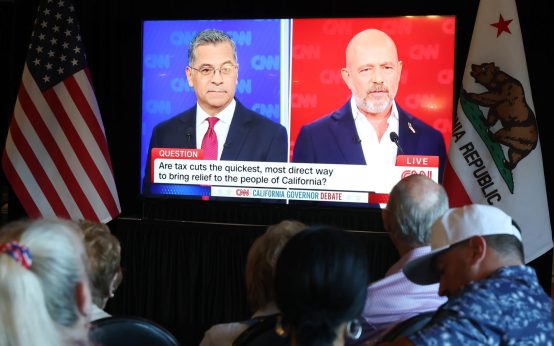 Highlights from the California Gubernatorial Debate: Becerra vs. Hilton
 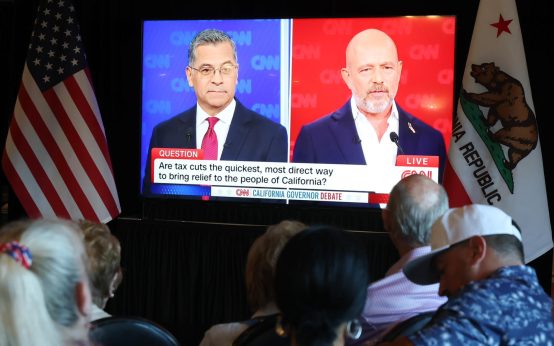 Becerra vs. Hilton: The Debate and Key Issues in the California Governor Race
  Senate Confirms New Labor Secretary
 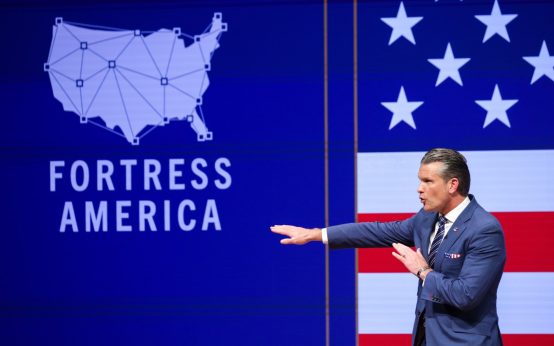 Hegseth’s Ambitious Military Initiatives to Reshape Warfare