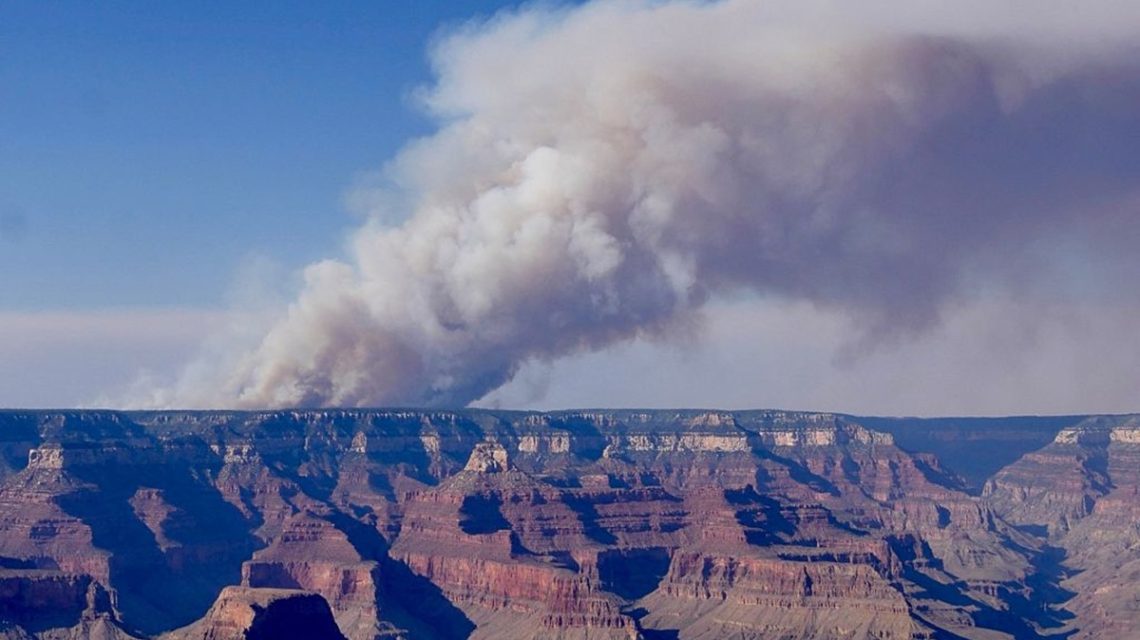
Research from the University of California, Santa Barbara reveals that more than 50% of historic sites on the U.S. National Register of Historic Places are exposed to wildfire risks. The study, published in Scientific Reports, assessed 100,117 sites using high-resolution wildfire models and found 3,446 sites at severe risk.
This research warns of a critical threat to cultural heritage, with 36% of exposed sites being nationally significant. Wildfires have devastated numerous culturally significant locations, such as the Will Rogers Ranch House and Grand Canyon Lodge.
According to Caitlin Fong from NCEAS, historic sites hold immense cultural value, and their destruction results in irreversible loss. Fire expert Kevin Feak notes that features like combustible roofs and open eaves increase vulnerability.
Wildfire-related structural loss historically affects areas like California, Oregon, and Colorado. Emerging hotspots in southeastern and south-central U.S. mirror these patterns, emphasizing the need for preservation programs.
Strategies to mitigate risks should focus on-site efforts such as vegetation management, structural hardening, and improved suppression capacity.
Impact of Climate Change on Wildfire Risk
Researchers warn that climate change may intensify wildfire threats across the U.S. Increased temperatures and droughts could broaden hazard zones, exposing more cultural heritage sites.
A separate study in Environmental Research: Climate noted severe fire weather in ecosystems globally, adding urgency to future mitigation measures.
Another study highlighted the frequency of megafires, pointing to climate change projections that suggest worsening wildfire conditions. It’s vital to preserve cultural landmarks as they face mounting threats.
 The Threat of Melting Glaciers: A Call to Action
  Collapse of Hawai’i’s Hōlei Sea Arch Amidst Storms
  Los Angeles Faces Uncommon Heatwave in October
  Drought Drives Black Bears Closer to Human Activity
  Atlantic Ends September Without a Hurricane for First Time Since 1994
  Bobcat Sightings and Conservation Efforts in Illinois