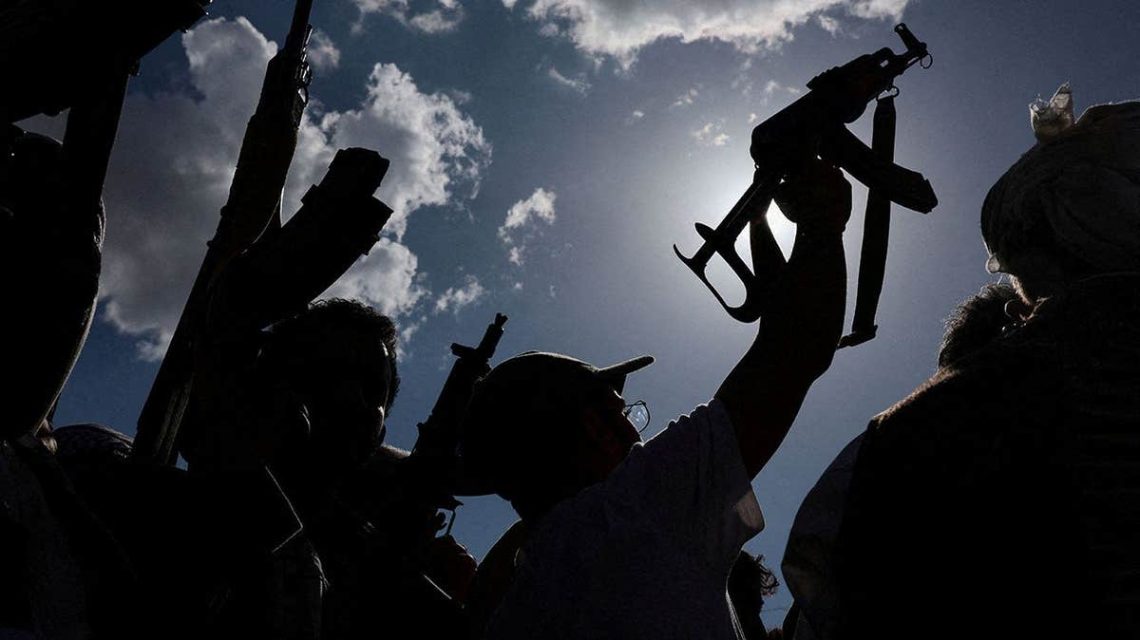
Houthi rebels have reportedly taken control of a strategic port in Yemen, prompting concerns about trade disruptions. Fox News contributor Marc Thiessen spoke with Brian Kilmeade about the reports of the Houthis capturing a key Red Sea port. Thiessen warned about the continuous threat from a nuclear-armed Iran and reflected on President Trump’s previous airstrike decisions. The focus was on national security issues and the broader Middle Eastern geopolitical conflict.
Saudi Arabia is calling for Washington to engage in direct military action against the Iran-backed Houthis. This follows the group’s seizure of important positions along Yemen’s Bab al-Mandab Strait, a critical shipping pathway linking the Red Sea and the Gulf of Aden. The Strait is frequently used as an alternative route as conflicts in Iran disrupt oil shipping through the Strait of Hormuz. This rapid takeover led to urgent discussions in both Riyadh and Washington. Sources informed Fox News Digital that Saudi Crown Prince Mohammed bin Salman urged President Trump to consider military action against the Houthis.
The situation presents new risks for U.S. consumers, with the potential for a second major oil chokepoint to be compromised. Houthi supporters have demonstrated in solidarity with Iran during a two-week ceasefire between the U.S. and Iran in Sanaa, Yemen. Reports further indicate the Houthis have reached the strategic island of Mayyun and the nearby coastal town of Dhubab after Yemeni government forces withdrew. The Houthis seized the strategic Red Sea port of Mocha previously held by Yemeni government forces.
The U.S. has not opted for immediate direct military action but assured Saudi Arabia of assistance with intelligence and targeting support. U.S. Central Command commander Adm. Brad Cooper has traveled to Saudi Arabia for coordination talks. The White House has not commented on the situation.
A Saudi official confirmed the kingdom’s commitment to supporting Yemen’s internationally recognized government to promote peace and ensure navigational freedom in the Arabian Gulf and Red Sea. The strategic concerns are amplified as the Houthis’ capture could influence two crucial maritime routes, the Strait of Hormuz and the Bab al-Mandab Strait.
Behnam Ben Taleblu from the Foundation for Defense of Democracies highlighted Iran’s shift to regain leverage as conditions change around Hormuz. Trump has reportedly pressured Iran’s maritime threats in the Strait of Hormuz, causing Iran to focus more on supporting the Houthis in Red Sea shipping and the Bab al-Mandab Strait.
Timothy Lenderking, former U.S. special envoy for Yemen, noted the Houthis have rebuilt their military capacities since a 2022 U.N.-brokered truce. They now leverage the broader Iran conflict to increase pressure on Saudi Arabia, taking advantage of the situation to regroup and restock their military arsenal. Recent Mahan Air flights to Sanaa are believed to have brought personnel and equipment to aid the Houthis.
Lenderking mentioned the Houthis’ tactical use of the wider Iran conflict to gain leverage over Saudi Arabia. The U.S. focuses on protecting security interests and works with regional partners to address regional security challenges.
The Bab al-Mandab Strait is crucial, being a gateway to the Suez Canal, with about 7% of global oil output passing through it in June. Disruptions may force ships to reroute, increasing time and voyage costs. Recent transit figures indicate significant strain on the region’s other vital maritime chokepoint, the Strait of Hormuz.
Ben Taleblu warned that the rapid Houthi advance has exposed vulnerabilities in the Saudi-led efforts to contain them. He suggested U.S. assistance to hinder further Houthi advancement. Senior Yemen adviser Hisham Al-Omeisy expressed concerns over the loss of military equipment by retreating forces, potentially strengthening other Houthi efforts.
The developments alter the post-2022 truce lull, raising questions on whether the Houthi advance can be checked without escalating U.S. military involvement. This situation necessitates a careful approach as America remains focused on Iran and its influence in the Strait of Hormuz.
 Bolivia Faces Security Test Amid Unrest
 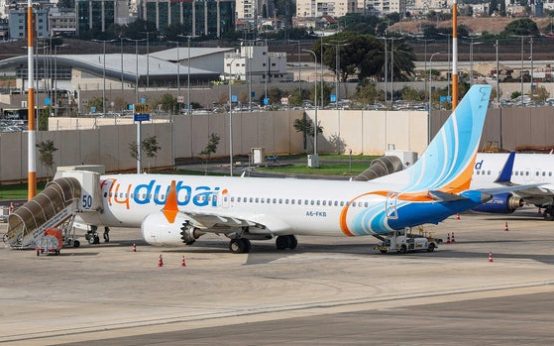 Incident on FlyDubai Flight Raises Security Concerns
 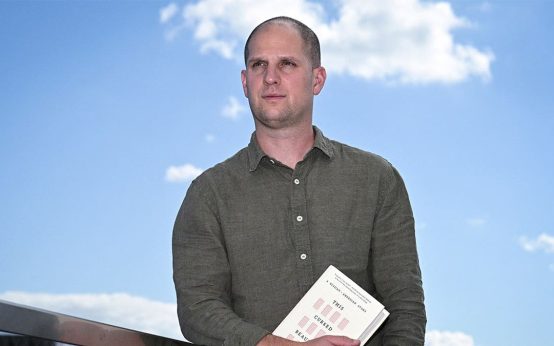 Journalist Gershkovich Discusses Wrongful Detention and Release in Russian Prisoner Swap
 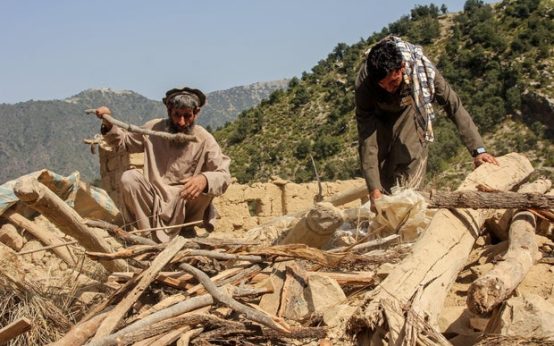 Pakistan Airstrikes in Afghanistan: Civilian Casualties Reported
 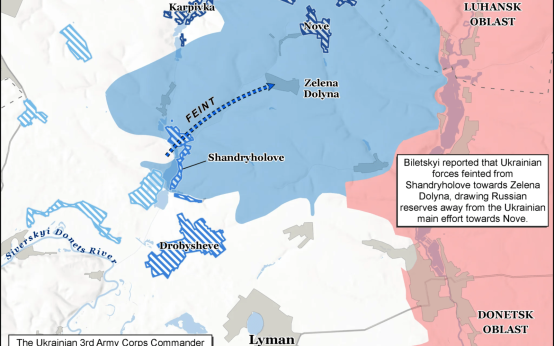 Ukraine Converts APCs to Explosive Devices in Donetsk Offensive
 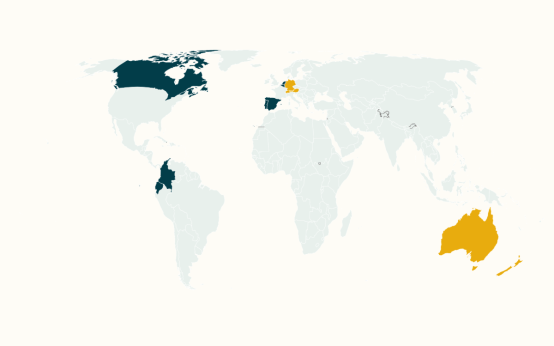 Dutch Review Board’s Euthanasia Ruling and International Debate